Picture this: you plant your favorite seeds, water faithfully, but your garden never quite takes off — some spots thrive, others struggle, and you’re left scratching your head. If that feels familiar, you’re not alone. Soil is the unsung hero (or secret saboteur) behind every garden’s success, but it rarely gets the attention it deserves.
The real kicker? Poor soil doesn’t just hold plants back, it saps your joy and wastes money on seeds and fertilizers that just don’t deliver. Trying to work around bad soil can leave you frustrated, wondering if your yard is simply “bad for gardening”—but the real root cause is often fixable with the right information.
By the time you finish exploring this guide, you’ll have a trusted toolkit of soil guide gardeners improvement tips designed for real-world results. Ready to give your garden a foundation it can truly grow on? Let’s dig in…
Understanding What Makes Soil Healthy
Ever stand in your garden, look at two patches of earth, and realize they couldn’t be more different? Some soil crumbles like chocolate cake—dark, rich, and easy to dig. Other parts stubbornly resist every shovel, bone-dry or heavy as clay. What actually makes one soil healthy and another a struggle for every living thing you try to plant?
Here’s the thing: soil health isn’t just about its color or texture. It’s a living system packed with billions of microbes, fungi, and tiny insects—all working behind the scenes. When your soil is healthy, this underground community delivers nutrients right to your plant roots, keeps moisture balanced, and even fends off some pests and disease. Poor soil, on the other hand? Plants stay stunted, water either pools on top or vanishes deep below, and nothing ever feels quite right.
The Building Blocks of Soil Health
- Organic Matter: The real workhorse of fertile ground, made up of decomposed plants, compost, and natural materials. It feeds beneficial microbes and holds on to water.
- Soil Structure: The way soil particles (sand, silt, clay) clump together. Good structure lets essential air, water, and roots pass freely.
- Soil Life: From earthworms to microscopic bacteria—every handful of healthy soil is teeming with life that converts dead matter into plant-ready nutrients.
- pH Balance: Plants need just the right acidity or alkalinity to absorb minerals. Most garden crops love a pH between 6.0 and 7.0.
- Drainage: Healthy soil drains after rain, but never dries out too fast—clay holds water, sandy soil lets it drain away rapidly, and loam strikes a perfect middle ground.
💡 Pro Tip: The USDA Natural Resources Conservation Service recommends digging a six-inch hole to check for earthy smell, good crumb structure, and signs of worms—classic hallmarks of healthy garden soil.
What Does Healthy Soil Look and Feel Like?
| Characteristic | Healthy Soil | Troubled Soil |
|---|---|---|
| Texture | Loose, crumbly, moist | Hard, compacted, sticky or powdery |
| Color | Dark brown or black (full of humus) | Pale, gray, or streaked |
| Smell | Earthy, fresh forest scent | Sour, chemical, or no scent at all |
| Life | Many worms/bugs on digging | Sparse or absent life |
In practice: picture this scenario—Jenny, a backyard gardener, was puzzled why her tomato patch on one side flourished while the other side yellowed. After comparing the soil by hand, she found her healthiest corner was crumbly, dark, and smelled sweet, while the problem patch was dry and strangely hard. A quick check confirmed almost no living creatures there. Turns out, soil health was driving the difference all along.
But there’s one detail most gardeners completely overlook until it’s too late…
Common Soil Problems And How To Spot Them
Ever dig a hole and notice the soil clumps together like heavy clay—or maybe it’s so sandy, water disappears before you can blink? Recognizing common soil problems is the first step to giving your plants a real shot at thriving. But which issues should you actually watch for, and what red flags let you know it’s time for action?
Here’s the truth: not all soil is created equal, and even a healthy-looking surface can hide trouble underneath. Problems like compaction, drainage issues, acidity, or salt buildup can lurk just out of sight, stunting root growth and sabotaging your best gardening efforts. Not sure what to look for? Simple clues in appearance, feel, and plant behavior can tell you more than any fancy gadget ever could.
Classic Warning Signs You Can’t Ignore
- Standing water after rain—signals poor drainage, often from clay or compacted soil.
- Soil that’s hard as a brick when dry—classic compaction. Roots can’t push through easily.
- Pale, yellowing leaves (especially on young plants)—could mean high pH or nutrient lockup.
- Patchy, stunted growth—suggests inconsistent soil structure or salinity problems.
- Powdery or crusted surface after watering—watch for high salt levels or low organic matter.
💡 Pro Tip: According to the Royal Horticultural Society, digging a small test pit and filling it with water is the simplest way to measure drainage speed—if it takes more than two hours to drain, you likely have a drainage problem.
Comparison Table: Soil Problems At A Glance
| Problem | How to Spot It | Impact on Plants |
|---|---|---|
| Compaction | Hard soil, roots circling hole | Poor root growth, slow uptake |
| Excess Sand | Water vanishes, crumbly feel | Wilting, needs frequent watering |
| High Salinity | White crust on surface | Leaf burn, poor seedlings |
| Acidic/Alkaline pH | Distorted leaves, no blooms | Nutrient deficiency, poor flowers |
Picture this scenario: a neighbor brings you a struggling potted plant—leaves curling, soil dry an hour after watering. A quick pinch of the soil reveals powdery texture and a salty crust near the rim. Turns out, tap water and cheap fertilizer created a salt buildup, choking the plant slowly over months. Sometimes, the solution is hiding in plain sight.
And this is exactly where most people make the most common mistake…
Simple Ways To Test And Improve Your Soil
Ever wondered how you can truly know what’s happening underground—without expensive lab tests or fancy gadgets? Turns out, you can spot major soil issues and make meaningful improvements right at home, using only simple tools and a bit of know-how.
- Collect Your Supplies: You’ll need a garden trowel, a clear glass jar with lid, water, and a home soil test kit (available from gardening centers—look for brands recommended by the Cooperative Extension System).
- Dig and Observe: With your trowel, dig six inches down and grab a small handful of soil from different parts of your garden. Mix for a good average.
- Jar Shake Test: Place two cups of soil in the jar, fill with water, shake it hard, and let it settle for 12 hours. You’ll see distinct layers—sand on bottom, silt in the middle, clay on top. This tells you about your soil texture.
- pH and Nutrient Test: Follow kit directions to test acidity, nitrogen, potassium, and phosphorus. Most plants like a pH of 6.0–7.0. Too high or too low? Consider pelletized lime (to raise pH) or elemental sulfur (to lower), but always follow the bag, not guesswork.
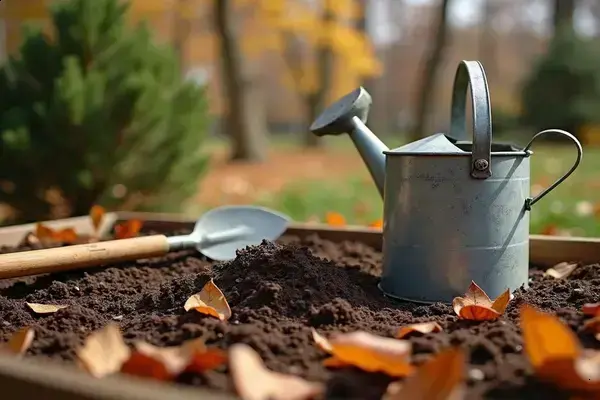
- Improve as Needed: For heavy clay, add finished compost and aged manure to break up clods and increase life. Sandy soils need compost and peat moss to help with water retention. For any poor spot, organic mulch over time works wonders.
- Extra Required Items: garden gloves, notepad & pen, a small cup for scooping, and access to clean water.
💡 Pro Tip: According to the University of California Agriculture & Natural Resources, repeating these basic tests seasonally helps catch minor soil issues before they turn into big plant problems.
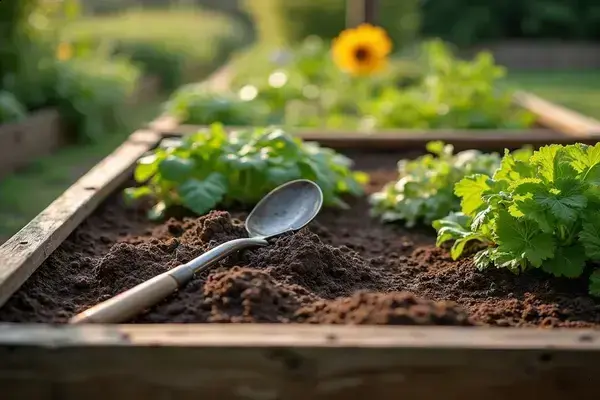
In practice: imagine you’re prepping a new raised bed after years of neglect. You run a quick jar shake test—layers settle with almost no organic debris floating on top, and the home kit shows a pH of 5.5, much too acidic for vegetables. By mixing in two inches of compost and a dusting of garden lime, you’ll see better plant growth within weeks as the structure and chemistry rebalance.
But what actually works might surprise you…
Best Natural Amendments For Every Garden Type
Ever looked at bags of compost, worm castings, peat moss, and wondered—what works best for clay, sand, or a vegetable bed? The world of natural amendments can feel like a maze, especially when your garden’s needs shift from one area to the next.
Here’s the thing: picking the right amendment depends on what you’re starting with and what you hope to grow. Some materials boost drainage, others feed soil life, and a few do both. No single product is a magic fix. Matching amendment to soil type? That’s real-world gardening expertise.
- Compost: Universally loved. Adds organic matter, attracts beneficial microbes, and improves texture for clay, sand, raised beds—nearly anything.
- Worm Castings: Potent, natural fertilizer loaded with beneficial bacteria. Especially good for vegetable beds and containers craving a gentle nutrient boost.
- Leaf Mold: Slow to make, but pure gold for water retention in sandy soils and microbe diversity in flower beds.
- Pine Needles: Lower soil pH slightly over time. Great in acid-loving plant zones (think blueberries and azaleas).
- Aged Manure: Well-rotted is key—chicken, cow, or horse. Provides a balanced nutrient bump and more structure for heavy clay or depleted beds.
💡 Pro Tip: According to the Soil Science Society of America, applying two inches of compost atop planting beds each season is one of the most reliable (and low-cost) ways to improve fertility and plant resilience without synthetic chemicals.
Garden Amendments at a Glance
| Amendment | Best For | Key Benefit |
|---|---|---|
| Compost | All soil types | Fertility, structure |
| Worm Castings | Vegetables, pots | Nutrient density |
| Leaf Mold | Sandy or flower beds | Water retention |
| Pine Needles | Acidic gardens | pH lowering |
| Aged Manure | Clay, depleted soil | Slow-release food |
In practice: picture this scenario—Ron struggles with heavy, sticky clay in one patch and dry sand in another. Compost and a bit of aged manure transform his stubborn clay into loose, plant-friendly earth, while mixing leaf mold into his sandy spot finally lets his lettuce hold water between rains. Each spot gains exactly what it needs, not just whatever was on sale.
What actually works might surprise you…
Creating An Ongoing Soil Care Routine That Works
How do you keep soil healthy all year long—not just for one season, but for every crop and flower after? It’s not luck or guesswork. Building a sustainable soil care routine is about small actions, repeated with intention. Think of it as giving your garden an ongoing wellness plan, not a quick fix.
The truth is: even the richest beds lose nutrients with each harvest, and heavy rains can compact or erode the best-prepared plot. That’s why smart gardeners focus on regular observation, maintenance, and rebuilding. You want your soil’s life cycle to grow deeper every year—not just reset each spring.
Essential Steps in an Effective Soil Routine
- Mulch Year-Round: Keep two to three inches of organic mulch on the soil at all times—wood chips, straw, or even chopped leaves. This insulates against heat, cold, and heavy rain.
- Rotate Crops: Don’t plant tomatoes in the same spot every year. Rotate families (brassicas, solanaceae, legumes, etc.) to prevent disease buildup and balance nutrition.
- Top Up Organic Matter: Each season, add compost or worm castings—don’t wait for visible decline. The best results come from feeding soil before it looks tired.
- Monitor Moisture and Structure: After rain or watering, check how fast your soil drains and whether it crusts over. Fix bare spots quickly to avoid erosion.
- Do Seasonal Soil Tests: At least every spring and fall, use a basic pH and nutrient test kit. Address any imbalances immediately with targeted amendments.
💡 Pro Tip: The Ohio State University Extension suggests growing a cover crop (like winter rye or clover) after summer harvest—roots break up the soil, suppress weeds, and add organic matter when cut down.
In practice: picture a backyard gardener who spreads fresh mulch every fall, checks pH each spring, and keeps a simple note on last year’s crop locations. Over three seasons, tomatoes suffer fewer diseases, flowers bloom fuller, and the earth itself gets easier to dig. It’s not magic—it’s mindful routine.
Once this is in place, the rest of the routine falls into place naturally.
Your Healthier Soil Starts Here
If you take just one thing from this soil guide for gardeners: how to improve your soil for better plant growth, let it be this: healthy soil is living soil—constantly changing, always in need of a little care. You’ve learned how to spot problems, run easy tests, choose the right amendments, and build routines that actually last.
Before, your garden might’ve been a place of guesswork and frustration. Now, you know how to read the signals in the dirt, fix old mistakes, and set up routines that make every new season easier. A little attention, season by season, changes everything. Your plants will thank you—more than you’d guess.
What’s your biggest soil challenge right now, and which fix are you planning to try first? Share your story or question in the comments—we’d love to hear from you!

Ryan James Mitchell is a passionate gardener and plant care enthusiast dedicated to helping everyday people grow food, keep their plants thriving, and connect with nature — one garden at a time. With years of hands-on experience in vegetable gardening, indoor plant care, and seasonal garden planning, Ryan built 3sols to be the practical, honest gardening resource he always wished existed.