Picture this: it’s late October, leaves are everywhere, and suddenly you realize—your garden’s not ready for winter. Been there? It’s stressful trying to cram every last chore into a single weekend, especially when the weather flips fast or you just want to enjoy that last sunny afternoon outdoors.
Thing is, skipping a proper fall cleanup sets you up for headaches come spring: tired perennials, bare beds, pests that never left. Honestly, who wants to start a new season fixing old mistakes? Most of us just want our gardens to come back strong—with less work, not more.
By the end of this guide, not only will you have a fall garden checklist printable free you can trust, you’ll know exactly which tasks matter, when to tackle them, and simple ways to get ahead. Ready to make next season your best? Let’s dig in.
Why Fall Prep Makes The Biggest Difference
Most gardeners picture spring clean-up as the start of their growing season, but here’s the overlooked truth: it’s actually the choices you make in autumn that have the biggest impact on next year’s blooms and harvests. Why does this matter so much? Well, the roots, bulbs, and even the soil itself all respond to fall’s rhythms — prepping now means you’ll be letting Mother Nature do half the work for you.
Here’s the thing: when you skip fall prep, it’s like leaving dirty dishes in the sink for months. Pests overwinter quietly. Diseases take root. Soil compacts and nutrients leach away. By the time spring comes around, you’re fighting an uphill battle — and you might not even realize what set you back.
💡 Pro Tip: According to the National Gardening Association, a thorough fall cleanup reduces the risk of common fungal issues by up to 80%, especially in perennial beds and vegetable plots.
Picture this scenario: you’ve mulched your beds, trimmed back perennials, cleaned tools, and protected your tender plants from the chill. Snow blankets your yard. When the thaw arrives, everything wakes up in sync — with minimal dieback, fewer weeds, and healthy earthworms working the soil. You’re ready to plant when others still have soggy, crowded garden beds to fix.
- Weed and Pest Suppression: Cleaning up debris in fall removes hiding places for pests and weed seeds — things that could explode into problems later.
- Nutrient Management: Adding compost or mulch now lets these resources break down slowly, feeding microorganisms all winter long for a jumpstart come spring.
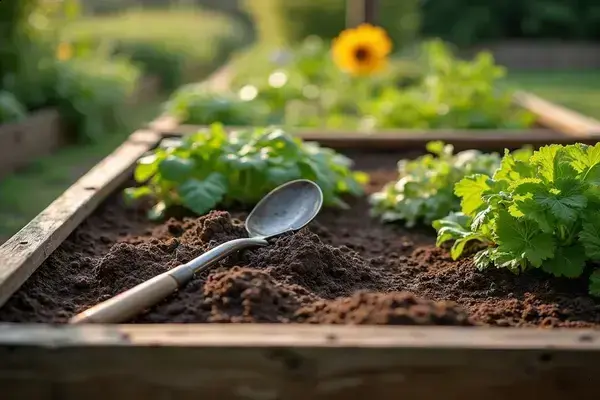
- Better Soil Structure: Turning or amending your beds in the fall avoids compaction from winter snow, making them ready for planting whenever the ground thaws.
| Fall Prep Action | Biggest Benefit | Long-Term Impact |
|---|---|---|
| Mulching | Root insulation | Improved plant survival and moisture retention |
| Tool Cleaning | Disease prevention | Tools last longer, fewer spring outbreaks |
| Leaf Removal | Pest control | Fewer overwintering bugs and mold |
And honestly? Skipping these autumn steps can mean months of extra work — or lost produce — later on. But there’s one detail most owners completely overlook until it’s too late…
Essential Tools And Supplies For Autumn Tasks
Ever find yourself scrambling to finish garden chores because your pruners are dull or you’ve misplaced your gloves? The right tools make autumn tasks smoother, faster, and — truthfully — less frustrating. It’s not just about buying things; it’s about having the right essentials ready so fall prep feels like a ritual, not a rush.
But which tools actually matter? And which supplies are truly worth the investment, especially for new or budget-conscious gardeners who want value without excess clutter?
- Bypass Pruners: For crisp, clean cuts on perennials and shrubs, high-carbon steel blades hold an edge longer.
- Heavy-Duty Leaf Rake: A flexible metal rake covers more ground and gets deep into beds without snagging roots.
- Sturdy Wheelbarrow: Makes mulching, debris removal, and compost hauling less of a backbreaker.
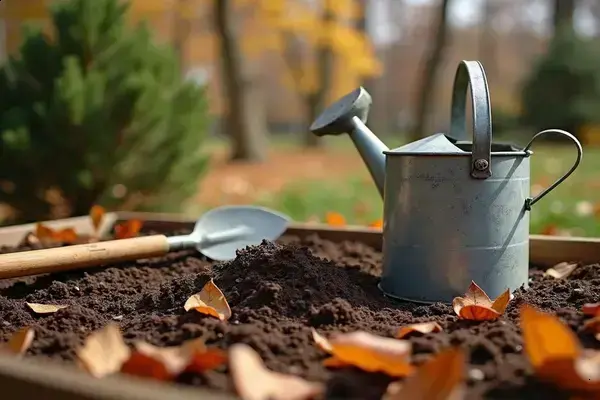
- Watering Can (with Detachable Rose): Perfect for gentle, focused watering of new plantings and bulbs.
- Garden Gloves (Latex-Coated): Keep your hands protected and dry, especially in damp fall weather.
- Organic Mulch and Compost: Essential for insulating roots and enriching next year’s soil.
💡 Pro Tip: The Royal Horticultural Society recommends cleaning and oiling your tools after each autumn use. Well-cared-for tools not only last longer, but they’re safer and work better — saving you money and stress in the long run.
In practice: picture this scenario — you’ve set all your tools out the night before, laid out gloves, pruners, and a pile of mulch by the garden gate. When you step outside, it’s all ready. There’s no hunt for missing gear, no dull tools, no guesswork. You nail your fall checklist in record time and still have daylight left for a walk through crisp leaves.
| Tool/Supply | Why It’s Essential | Best For |
|---|---|---|
| Bypass Pruners | Prevents plant damage, clean cuts | Perennial and shrub trimming |
| Wheelbarrow | Reduces physical strain, increases efficiency | Mulch/compost transport, debris removal |
| Organic Mulch | Root protection, moisture retention | Garden beds, perennials |
And honestly? What actually works might surprise you…
Step-By-Step Checklist: Tasks To Complete Before Frost
Worried you’ll miss something crucial before winter sets in? Don’t stress — a simple checklist keeps your garden protected, organized, and ready for the thaw. Here’s everything you need to tackle before the first deep freeze (and yes, timing can make a difference of weeks in next year’s harvests).
- Required Items:
- Bypass pruners
- Sturdy rake
- Wheelbarrow
- Shovel
- Organic mulch or compost
- Heavy-duty garden gloves
- Garden waste bags
- Remove Spent Annuals: Pull out all annuals by the roots and dispose of them — they can harbor disease through winter.
- Trim Perennials: Cut back dead or diseased stems on perennials, leaving six inches above ground for insulation and regrowth.
- Rake and Clear Debris: Collect fallen leaves and plant matter. Use healthy leaves as mulch or add to compost — but never leave thick mats on beds, which can cause mold.
- Divide and Replant Overgrown Plants: Now’s the time to dig and divide crowded bulbs or perennials. This prevents competition for spring nutrients.
- Mulch, Mulch, Mulch: Apply two to four inches of organic mulch or compost to protect root systems and enrich soil for spring crops.
- Deep Watering: Give a final deep soak, especially for woody plants, since hydrated roots withstand freeze cycles better.
- Harvest Remaining Veggies: Gather up any lingering produce, check for maturity or frost damage, and store them properly indoors.
- Store Tools & Supplies: Clean, dry, and oil metal tools to prevent rust. Move terra cotta pots and hoses indoors to avoid cracking.
⚠️ Important Warning: According to the University of Minnesota Extension, never compost diseased leaves or plants. Doing so risks spreading pathogens into next year’s soil.
In practice: imagine December frost hitting fast. Last year, you forgot to drain the hose and the nozzle cracked. This year, with your checklist, every tool’s stowed and your garden beds are snug under fresh mulch. It’s a totally different feeling.
And this is exactly where most people make the most common mistake…
Printable Fall Garden Checklist To Keep You On Track
Keeping up with fall garden chores can feel overwhelming — especially when you’re juggling work, weather, and family time. The truth is, most of us forget those odd but essential jobs the moment we step outside. That’s where a printable fall garden checklist is a total gamechanger.
So, what sets a really helpful checklist apart? It’s not just a long list of chores. The best versions are organized by urgency, type of task, and frequency. You’ll find boxes to check for one-time jobs (like removing stakes), recurring tasks (like raking leaves every week), and space for your own notes or special plants you care about most.
💡 Pro Tip: The Old Farmer’s Almanac recommends keeping your checklist visible by taping it inside your garage door or shed. Having everything in one place means you won’t skip steps — even when it gets cold or dark earlier.
In practice: imagine you’ve printed the checklist and clipped it to your garden tote. Each weekend, you check off what’s done — cutbacks, compost spread, veggie beds cleaned — and jot a quick note about where you spotted slugs or a late bloom. By the last frost, you’ve got a record of every finished job and reminders for spring, all in one spot.
| Section | Example Tasks | How Often? |
|---|---|---|
| General Cleanup | Rake leaves, remove annuals | Weekly, as needed |
| Prep Beds | Spread mulch, divide perennials | Once per season |
| Equipment Care | Clean/oil tools, store hoses | Once before frost |
Who benefits most? Busy gardeners who want to stay organized, new homeowners unsure where to start, and anyone who loves seeing progress (box by satisfying box). You can add personal rows for plants or pests unique to your yard — it’s yours to adapt.
But there’s one detail most owners completely overlook until it’s too late…
Tips To Protect Perennials, Bulbs, And Soil Through Winter
If you’ve ever uncovered mushy bulbs or brittle perennials in spring, you know winter can be brutal. But what really makes the difference in survival — and future blooms — isn’t luck. It’s the right protection, layered long before the first snow falls. So, what actually works when the cold rolls in?
- Mulch Heavily, but Wisely: After the first frost, add a thick layer (2-4 inches) of organic mulch around perennial crowns and over bulb beds. Leave a small gap around the base to prevent rot.
- Cover Tender Plants: Use burlap or frost cloth to shield young or borderline-hardy perennials from windburn and sudden cold snaps. Stakes can keep covers off delicate tips.
- Avoid Overwatering: Reduce watering as temperatures drop. Too much moisture before the freeze can spell disaster for bulbs and roots, especially in clay soils.
💡 Pro Tip: The Chicago Botanic Garden recommends saving fall leaves to create a natural insulating blanket over beds. Shred them first so they don’t mat down and trap moisture in the wrong spots.
Picture this scenario: after a rough winter a few years ago, I started leaving a thick barrier of compost around my favorite daylilies and iris beds. The payoff? Every plant returned strong — and I noticed far fewer weeds where that mulch broke down by spring.
| Protection Method | Best For | Extra Benefit |
|---|---|---|
| Burlap Wrap | Tender perennials (like rosemary, lavender) | Allows air exchange while blocking wind |
| Straw Mulch | Bulb beds (tulip, daffodil, garlic) | Maintains soil temperature swings |
| Leaf Mold/Compost | Any garden bed | Improves soil structure by spring |
And honestly? Getting these habits in place just once means healthier soil, stronger perennials, and bigger blooms year after year. Once this is in place, the rest of the routine falls into place naturally.
Your Best Fall Garden Awaits
If you take just one thing from this guide, let it be: a simple, well-timed fall garden checklist printable free truly sets the stage for healthy plants next season. Organize your tools, follow key steps before frost, and protect your perennials early—these are the differences that last.
Maybe fall prep felt overwhelming before. But now you know what to do and why it matters. Next spring, your garden will show the results—stronger roots, fewer problems, and more time to actually enjoy the blooms. You’re more prepared than you realize!
Which fall garden task do you always forget—or actually look forward to? Share your answer in the comments below. Let’s learn from each other and grow better together!

Ryan James Mitchell is a passionate gardener and plant care enthusiast dedicated to helping everyday people grow food, keep their plants thriving, and connect with nature — one garden at a time. With years of hands-on experience in vegetable gardening, indoor plant care, and seasonal garden planning, Ryan built 3sols to be the practical, honest gardening resource he always wished existed.