Imagine staring at a bounty of fresh vegetables and fruits from your garden, wondering how to keep that summer freshness intact long after the growing season ends. It’s a problem many gardeners face — all that hard work and love, yet the harvest tends to go bad too quickly.
Letting your garden’s harvest spoil is frustrating and a big waste, not just of your time but also your money and effort. Without proper preservation, the vibrant flavors and nutrients fade fast, leaving you with less than what you hoped to enjoy throughout the year.
By mastering how to preserve garden harvest through practical methods like canning and freezing, you’ll unlock the secret to enjoying your produce for months. Ready to dive in and take control of your garden’s bounty? Let’s start with the essential basics.
Understanding The Basics Of Canning And Freezing
Ever wonder why some homemade jams or frozen berries last for months while others spoil quickly? It all comes down to understanding the basics of canning and freezing — two of the most reliable preservation methods gardeners swear by. Each method uses a distinct process to halt the natural decay, locking in freshness and flavor in different ways.
Canning uses heat to destroy bacteria and enzymes that cause spoilage, sealing your food in airtight jars. Freezing, on the other hand, slows down microbial growth by turning water inside the produce into ice, preserving texture and nutrients if done right. Both rely on temperature control but demand different tools and techniques.
💡 Pro Tip: The USDA’s Complete Guide to Home Canning is an excellent resource for safe canning practices and can be found through their official site. Following their guidelines helps prevent foodborne illnesses like botulism.
In practice: picture you just harvested loads of tomatoes, peppers, and berries. Instead of rushing to eat them fresh, you can plan to can the tomatoes into sauces while freezing the berries for smoothies later. Understanding these fundamentals gives you the confidence to customize preservation based on what your garden yields.
| Method | Process | Ideal For |
|---|---|---|
| Canning | Heating food in jars to destroy microbes and vacuum-seal. | High-acid foods: fruits, pickles, jams, tomatoes with added acid. |
| Freezing | Chilling food under 0°F (-18°C) to slow bacterial growth. | Vegetables, berries, herbs, and some cooked meals. |
Knowing these basics isn’t just academic — it shapes your entire garden harvest management. But there’s one detail most owners completely overlook until it’s too late…
Step-By-Step Guide To Freezing Fresh Garden Produce
Wondering how to freeze your garden harvest without ending up with mushy or flavorless produce? Freezing is a fast, effective method—but the trick lies in how you prepare and package your fruits and vegetables before they hit the cold.
Here’s the thing: not all produce freezes the same way. Some benefit from blanching to preserve color and texture, while others can go straight into the freezer. Getting these steps right is key to maintaining nutrients and flavor, so your garden’s bounty tastes fresh even months later.
- Choose and Sort: Pick ripe, blemish-free produce. Sort by size and ripeness to ensure even freezing.
- Wash and Prep: Rinse thoroughly to remove dirt and pesticides. Peel or trim as needed, then cut into uniform pieces.
- Blanch When Needed: For veggies like green beans or broccoli, blanching (boiling briefly then shocking in cold water) halts enzyme activity, preserving color and texture.
- Dry Completely: Excess moisture causes freezer burn. Use a clean towel or let produce air dry before packing.
- Package and Seal: Use airtight freezer bags or containers. Remove as much air as possible to prevent freezer burn and preserve quality.
- Label and Freeze: Mark dates and contents clearly. Freeze at 0°F (-18°C) or lower for optimal preservation.
- Required items: sharp knife, blanching pot with boiling water, ice bath container, clean towels, freezer-safe bags or containers, permanent marker.
💡 Pro Tip: The National Center for Home Food Preservation emphasizes blanching times vary by vegetable, so follow their guidelines strictly to avoid over or under-blanching, which can cause poor texture or spoilage.
In practice: imagine you just harvested green beans early in the morning. After washing and trimming, you blanch them for two minutes, cool them quickly in ice water, dry carefully, then pack into labeled bags. Come winter, these beans taste as crisp and vibrant as the day you picked them.
Freezing fresh garden produce correctly sets a solid foundation, but what’s the best way to safely can those homegrown treasures? That’s exactly where your next steps lead…
How To Safely Can Vegetables And Fruits
Ever wondered how canning preserves your garden’s vegetables and fruits without spoiling or making you sick? The truth is, safe canning is all about controlling the environment to stop harmful bacteria — especially botulism — from growing inside your jars.
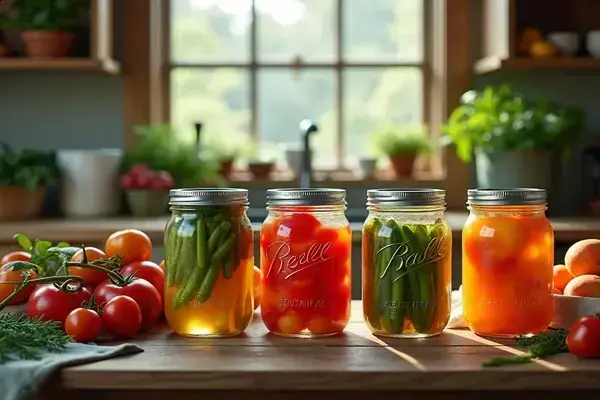
Here’s the thing: the canning process uses heat to kill microbes and create an airtight seal that keeps your food fresh for months or even years. But it’s critical to use the right technique for different types of produce. High-acid foods like tomatoes, berries, and pickles can be canned using a water bath method, while low-acid vegetables and meats require pressure canning to reach temperatures high enough to ensure safety.
- Select Quality Produce: Use fresh, ripe, and blemish-free vegetables or fruits. Avoid overripe or bruised items.
- Prepare Jars and Equipment: Sterilize canning jars, lids, and rings by boiling them or running through a dishwasher cycle.
- Pack and Add Liquid: Follow recipes carefully to pack produce tightly but allow space for expansion. Add the recommended liquid such as water, juice, or syrup.
- Process Properly: Use a boiling water bath for high-acid foods or a pressure canner for low-acid items. Processing time depends on altitude, jar size, and type of food.
- Cool and Store: Let jars cool undisturbed for 12 to 24 hours. Check seals and store in a cool, dark place.
| Food Type | Canning Method | Why It Matters |
|---|---|---|
| High-Acid (fruits, pickles) | Boiling Water Bath | Acid prevents bacterial growth; lower temperature suffices |
| Low-Acid (vegetables, meats) | Pressure Canning | Requires higher temp to destroy botulinum spores |
💡 Pro Tip: The USDA Complete Guide to Home Canning recommends using tested recipes and following exact times and pressures to avoid foodborne illness risks.
In practice: picture a gardener preserving green beans from a summer harvest. Since green beans are low-acid, they use a pressure canner following USDA guidelines, carefully timing the process to ensure safety and maintain crispness. This attention to detail extends the life of the harvest well into winter.
Knowing these safety steps brings the confidence to preserve your produce correctly. But comparing when to freeze or can raises the next big question you don’t want to miss…
Comparing Preservation Methods: When To Can Or Freeze
Trying to decide whether to can or freeze your garden harvest? It’s a common dilemma, and the truth is—each method shines in different scenarios. Understanding when to use canning versus freezing helps you make the most of your fresh produce’s flavor, texture, and shelf life.
Canning, through heat and airtight sealing, is perfect for storing high-acid foods like tomatoes, fruits, and pickles at room temperature. It’s a fantastic choice if you lack freezer space or want ready-to-eat pantry staples. Freezing, meanwhile, preserves the bright colors and fresh taste of many vegetables and fruits, often with minimal prep and less kitchen equipment.
| Preservation Method | Best For | Pros |
|---|---|---|
| Canning | High-acid fruits, jams, pickles, tomatoes with acid added | Long shelf life without electricity, no freezer burn, can store on shelves |
| Freezing | Vegetables, berries, herbs, cooked meals | Retains color and nutrients better, faster prep, flexible portion sizes |
| Both | Certain vegetables like green beans or soups | Provides preservation choices depending on desired texture and storage space |
In practice: imagine a gardener with limited freezer space but abundant tomatoes and berries. They might choose to can the tomatoes into sauces and freeze the berries for smoothies, making the best use of both methods’ strengths. Freezers can handle bulk veggie batches, while canning frees up fridge and freezer space.
💡 Pro Tip: According to the National Center for Home Food Preservation, understanding pH levels and proper processing times is key to deciding which method is safest and most effective for each type of produce.
Each method suits not just different types of food but different lifestyles and storage capabilities. What actually works might surprise you as you balance convenience, taste, and shelf life in your home setup…
Tips And Tricks For Extending Shelf Life And Quality
Want to keep your preserved garden goodies tasting fresh and vibrant for as long as possible? The truth is, extending shelf life isn’t just about locking food away. It involves a series of smart choices throughout the preservation process and storage.
Here’s the thing: even perfectly canned or frozen produce can lose quality if stored improperly. Temperature fluctuations, exposure to light, and air leaks can all speed up spoilage or degrade flavor and texture. Understanding simple yet effective tips can make a huge difference.
- Control Storage Temperature: Store canned goods in a cool, dark place ideally between 50-70°F (10-21°C). Freezers should be consistently at 0°F (-18°C) or lower.
- Use Proper Containers: Airtight jars with new lids for canning and high-quality freezer bags or containers help prevent freezer burn and contamination.
- Label Clearly: Always note the date of preservation and contents. Use the oldest stock first to minimize waste.
- Minimize Air Exposure: For freezing, remove as much air as possible before sealing. For canning, ensure seals are intact and jars undamaged.
- Practice Good Rotation: Rotate your stock regularly so older items don’t get forgotten until they spoil.
In practice: imagine coming back to your pantry months after a harvest, reaching for a jar of canned salsa. Because you stored it properly on a cool shelf away from direct light, it tastes just as fresh as the day it was sealed. Contrast that with a freezer bag left open a bit—those veggies likely have freezer burn by now.
💡 Pro Tip: According to the National Center for Home Food Preservation, regular inspection of canned goods for bulging lids or leaks can help spot spoilage early and keep you safe.
| Storage Aspect | Key Action | Benefit |
|---|---|---|
| Temperature | Keep consistently cool or frozen | Prevents spoilage and texture degradation |
| Container Quality | Use airtight jars and bags | Blocks moisture and air; extends shelf life |
| Labeling | Date and contents clearly marked | Ensures FIFO (first in, first out) usage |
Small details in storage routines make a big difference. And honestly? Mastering these tips turns preserving from a chore into a rewarding habit. But what’s the final secret to a truly successful harvest preservation routine? The right habits in place now make everything easier from here.
Your Garden Harvest, Preserved Right
If you take just one thing from this guide, let it be: mastering the basics of canning and freezing is key to enjoying your garden harvest longer and fresher. Knowing when to can or freeze, plus simple tips for extending shelf life, gives you more control over your produce’s quality. How to preserve garden harvest isn’t just about storage—it’s about preserving flavor and nutrition too.
Before this, you might have felt overwhelmed by what to do with a surplus of garden produce or worried about wasting all that effort. Now, you’ve got clear, practical steps to turn fresh harvests into delicious, long-lasting foods. That sense of panic? Replaced by confidence and excitement to make the most of every season.
Which preservation method are you most eager to try with your garden’s bounty? Freeze, can, or a mix of both? Tell us in the comments—we’d love to hear your plans!

Ryan James Mitchell is a passionate gardener and plant care enthusiast dedicated to helping everyday people grow food, keep their plants thriving, and connect with nature — one garden at a time. With years of hands-on experience in vegetable gardening, indoor plant care, and seasonal garden planning, Ryan built 3sols to be the practical, honest gardening resource he always wished existed.