Picture this: you’ve carved out a little space for a garden, but there’s just one problem—your yard gets more shade than sun. Maybe tall trees block the light, or your patio faces north, leaving you convinced that fresh veggies are out of reach.
Anyone who’s tried growing classic crops without much sunshine knows how frustrating it can be. Seedlings stretch, leaves stay small, or you end up with tiny, tasteless carrots that look more like a sad afterthought. That sense of wasted effort? You’re not alone—shade is a common roadblock for urban and suburban gardeners alike.
Here’s the thing: by the end of this guide, you’ll know exactly which best vegetables grow in shade—and how to set them up for lush, healthy harvests, right in your trickiest spots. Stick around and you’ll see just how much green potential you’ve got, even in the shadows.
How Shade Affects Vegetable Growth
Ever wonder why your neighbor’s tomatoes struggle in shaded corners while leafy greens thrive effortlessly? It’s all about how plants respond to available sunlight—and the truth is, not all vegetables play by the same rules. Shade doesn’t just dim the light; it fundamentally changes how your plants grow, from leaf size to harvest time.
Here’s the thing: vegetables rely on photosynthesis, capturing sunlight to fuel energy and development. When sun hours drop, growth patterns shift. Leafy crops like spinach and lettuce adapt by expanding their surface area, soaking in every available ray. Meanwhile, fruiting and root veggies—think peppers or carrots—stall, producing smaller yields or struggling to mature at all.
💡 Pro Tip: According to the University of Minnesota Extension, most shade-tolerant vegetables need at least 3–4 hours of direct sunlight or dappled light throughout the day. Monitor those tricky garden spots before planting.
| Shade Level | Vegetable Response | Best Crops |
|---|---|---|
| Light Shade (4–5 hrs sun) |
Moderate yield reduction, longer maturity | Beets, onions, Swiss chard |
| Partial Shade (2–4 hrs sun) |
Leaf growth increases, fruit size decreases | Spinach, lettuce, kale |
| Full Shade (<2 hrs sun) |
Stunted growth, sparse harvest | Mushrooms, wild greens |
In practice: imagine a city balcony that gets gentle morning light and deep shade by noon. Salad greens fill the pots quickly, bursting with color, while radishes remain skinny and stubborn. It’s not a failed garden—just a misalignment between veggies and their real-world environment.
So, why does this matter for your grocery bill or weekly harvest? Light affects chlorophyll production, which directly impacts the taste and texture of every bite you pick. Over time, matching your plants to your shade profile is the difference between thriving and merely surviving.
But there’s one detail most owners completely overlook until it’s too late…
Top Shade-Tolerant Vegetables To Try
If you’ve ever stood in a shady backyard, scanning the filtered light and wondering if you could actually harvest anything worth eating, you’re not alone. Fortunately, some vegetables aren’t just tolerant—they’re downright enthusiastic about growing in these less-than-sunny spots. But which ones actually deliver crisp, flavorful results?
| Vegetable | Sunlight Needed | Unique Benefit |
|---|---|---|
| Spinach | 2–4 hrs filtered light | Fast-growing and rich in iron |
| Lettuce | 3–4 hrs partial sun | Bolts less in cool, shaded spots |
| Kale | 3–4 hrs partial sun | Deep green color, strong nutrients |
| Radishes | 3–4 hrs dappled sun | Matures quickly with mild flavor |
| Beets | 4+ hrs partial sun | Both roots and leaves are edible |
| Swiss Chard | 3–4 hrs partial shade | Vivid stems, harvests over long season |
Picture this scenario: You’ve only got morning sunlight before a big maple throws your yard into shade by midday. Instead of fighting it, you plant loose-leaf lettuces and rainbow chard. Not only do they grow steadily, but they seem to resist the bitterness that full sun can cause in summer. Best of all, you’re harvesting crisp salads weeks before your neighbor’s tomatoes even have their first flower.
- Spinach: Thrives in spring and fall shade, harvest the baby leaves early for tender salads.
- Kale: Cold-hardy, tolerates less light, and actually sweetens after a touch of frost.
- Radishes: Ready to eat in just three to four weeks—perfect for impatient gardeners.
- Swiss Chard: Keeps producing colorful leaves even in dappled light.
- Beets: Both tops and roots are delicious, meaning double the output from every shady square foot.
💡 Pro Tip: The Royal Horticultural Society recommends sticking to leafy greens and root veggies in shadier spaces—fruiting crops like tomatoes and peppers need much more sun and can struggle to set fruit without six hours or more.
In practice: One balcony gardener in Chicago reported a bumper crop of kale and lettuce in near-continuous shade, while her friend’s cucumber vines puttered out just one patio over. Context really is everything in the garden.
What actually works might surprise you…
Tips For Maximizing Yield In Shady Spots
Think growing vegetables in the shade means you’ll settle for small, sparse harvests? The truth is, a few proven strategies can turn those dim corners into surprisingly productive spaces. You just need to play by shade’s rules—and maximize every bit of available light and nutrition.
- Site Selection: Choose the brightest shaded spot you have, ideally one with morning sun. If it’s under a tree, consider a location where dappled sunlight filters through rather than dense, deep shade.
- Soil Enrichment: Amend your soil with plenty of organic matter—think compost or leaf mold. Shade gardens almost always need extra nutrients, since less photosynthesis means plants need all the help they can get.
- Spacing Adjustments: Give vegetables a little more space than usual. This boosts air flow and reduces disease risk, which is higher in cool, damp areas.
- Mulching: Use a light, reflective mulch (like straw or shredded bark) to retain moisture and bounce as much light as possible to leaf undersides.
- Water Wisely: Plants in shade use less water, thanks to slower evaporation. Check the soil before watering; soggy roots are a real threat in these environments.
- Feed Consistently: Apply a slow-release, balanced organic fertilizer every 4-6 weeks during the growing season to support steady growth.
In practice: one Brooklyn gardener doubled her lettuce harvest in a north-facing plot after switching to compost-heavy soil and adding a reflective stone path beside her beds. Sometimes, it’s the smallest tweaks that have the biggest payoffs.
💡 Pro Tip: According to guidance from Oregon State University Extension, lightly pruning low tree branches can improve light penetration without dramatically changing your landscape—be gentle, though, and always check local guidelines before pruning mature trees.
- Prioritize shade-tolerant varieties—it’s not just about what you plant, but which cultivars you choose.
- Rotate crops yearly. Disease and pest pressure is higher in the moist, cool ground common to shade gardens.
And this is exactly where most people make the most common mistake…
Common Mistakes To Avoid With Shade Gardens
What’s the one thing that ruins more shade gardens than anything else? Most often, it’s not the lack of light itself—it’s falling into a handful of predictable, but avoidable, traps. Knowing the classic missteps can save you time, money, and frustration.
- Cramming Plants Too Close: In dense shade, air doesn’t circulate well. Crowding increases the risk for mildew and root rot, making your veggies vulnerable.
- Choosing Sun-Lovers by Habit: Tomatoes, peppers, and eggplant sound tempting, but in shaded beds their yields collapse. Stick to leafy greens, herbs, and select root crops.
- Ignoring Soil Health: Many assume less light means less root growth, so they skip soil improvement. In truth, shade-demanded plants crave rich, well-draining soil even more.
- Overwatering: Cool, shady spots retain moisture. Unchecked, this leaves roots sitting in soggy soil, leading to wilt, fungal issues, and stunted development.
- Neglecting Regular Pruning: Dead leaves and overcrowded heads invite disease. Thinning and trimming are just as necessary in shaded areas—if not more so.
In practice: One gardener in Seattle kept her chard under a big oak, watering religiously every other day. By midseason, her bed was waterlogged, leaves yellowed, and harvests halved—until she cut her irrigation in half and saw quick recovery. Sometimes, less is really more.
⚠️ Important Warning: According to the University of California Master Gardener Program, overwatering and poor spacing are the top causes of failed shade vegetable crops. Amend soil well and check moisture before watering—your plants will thank you.
| Mistake | Impact | Better Approach |
|---|---|---|
| Overcrowding | Mildew, poor airflow, stunted growth | Plant farther apart than in full sun |
| Poor Crop Choices | Tiny yields, leggy plants | Favor shade-tolerant greens & roots |
| Excess Watering | Root rot, yellowing leaves | Water only when topsoil is dry |
And honestly? That last step—adjusting expectations and habits—often unlocks more bountiful, vibrant shade crops than any fertilizer ever could. What actually works might surprise you…
How To Create The Perfect Shade Vegetable Bed
Ever wish your shady patch could deliver lush leafy greens and bright root crops—without a single headache? Building the perfect shade bed isn’t magic, but following a step-by-step plan makes all the difference for healthy yields.
- Scout and Map: Spend a sunny day tracking exactly which spots get dappled, partial, or deep shade—and for how long. Jot this down; it’ll shape every future choice.
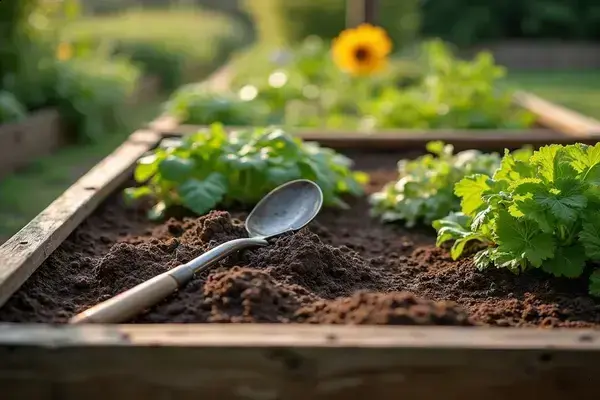
- Pick a Raised Bed Site: Raised beds improve drainage, prevent compaction, and make amending soil a breeze. Place your bed where morning or filtered light is most consistent.
- Prepare the Soil: Blend in 4-6 inches of compost or leaf mold, plus a slow-release organic fertilizer. In low-light spots, nutrients matter more than ever.
- Plan Your Planting Layout: Group shade-loving crops together; stagger rows to maximize every ray and keep airflow up.
- Choose Hardy Varieties: Go for established shade-tolerant varieties (think: ‘Lacinato’ kale, ‘Bright Lights’ Swiss chard) for the highest odds of a healthy harvest.
- Mulch Generously: Lay down a thick mulch of straw or shredded bark to conserve moisture and reduce weeds—especially important in shaded soil.
In practice: Picture this scenario—a city gardener transforms the neglected side yard under a maple into a thriving lettuce patch by scoping sun patterns in spring, installing a 4′ x 8′ cedar raised bed, and filling it with homemade compost. By midsummer, she’s harvesting enough greens for the neighborhood, all from a shady slice others ignored.
💡 Pro Tip: The National Gardening Association recommends testing your bed’s soil pH before planting—aim for a slightly acidic range of 6.0 to 6.5, which keeps nutrients most accessible in shady conditions.
- Check your raised bed for drainage after heavy rains; standing water is public enemy number one for shade crops.
- Rotate crops every season to dodge persistent fungal pathogens—shadier beds are especially prone.
- Label shade experiments and record which varieties thrive so you’ll know what to replant (or skip) next year.
The right habits in place now make everything easier from here.
Your Shade Garden Is Ready
If you take just one thing from this guide, let it be: you can absolutely get a great harvest with the best vegetables to grow in shade—if you match the right crops and strategies to your unique spot. Know your light, enrich your soil, and avoid the common mistakes that slow you down.
Before, it probably felt like shade meant giving up on fresh harvests or settling for less. Now you’ve got proven steps, real solutions, and confidence to make even the shadiest spots work for you. You’re not guessing anymore—you’re growing smarter, not just harder.
What’s your trickiest shade challenge, or which veggie are you excited to try first? Share your story or question in the comments—we can’t wait to hear how your garden grows!

Ryan James Mitchell is a passionate gardener and plant care enthusiast dedicated to helping everyday people grow food, keep their plants thriving, and connect with nature — one garden at a time. With years of hands-on experience in vegetable gardening, indoor plant care, and seasonal garden planning, Ryan built 3sols to be the practical, honest gardening resource he always wished existed.