Picture this: you walk into your bedroom after a long day, craving relaxation, but something feels stale—and it’s not just the air. Ever wondered why some rooms instantly feel more restful than others? Turns out, the right indoor plants can do a lot more than brighten up a space—they can actually help you sleep better and breathe easier.
Struggling with poor sleep or waking up groggy? Most bedrooms are filled with hidden pollutants and dry air, making true rest tough to achieve. It’s frustrating, especially when all you want is one place that helps you recharge. I’ve been there, lying awake wishing for a simple change with real results.
By the end of this guide, you’ll know exactly which best indoor plants for bedroom have real sleep-boosting, air-purifying superpowers—plus how to keep them thriving with zero guesswork. Ready to wake up refreshed for once? Let’s see which plants will help you reclaim your most peaceful nights.
Why Indoor Plants Matter for Bedroom Health
Ever wondered why some bedrooms feel instantly calming, while others drag your energy down? The secret often sits quietly on a shelf or nightstand—it’s the indoor plant. These living accents aren’t just décor; they play a vital role in what professionals call “biophilic design,” which is the science-backed practice of connecting indoor living spaces with nature for measurable health benefits.
Here’s the thing: your bedroom air isn’t as pure as you think. Everyday items—like bedding, carpets, and paint—release microscopic pollutants that build up overnight. NASA’s Clean Air Study famously showed that certain houseplants (like the peace lily and snake plant) help reduce volatile organic compounds (VOCs), which can contribute to headaches or restless sleep.
💡 Pro Tip: Placing just one medium-sized leafy plant per 100 square feet can boost humidity and help filter toxins. The American Lung Association notes that proper indoor humidity (between 30–50%) is key for deep, restful sleep.
In practice: picture this scenario—someone tosses and turns thanks to stuffy air, itchy skin, or mild nasal irritation. Add a robust spider plant or two, and in a few weeks, the sleeper wakes easier and even snores less. That’s no miracle—just improved air quality working overnight.
- Natural Air Filters: Many bedroom-safe plants, such as aloe vera and Boston ferns, absorb airborne toxins like formaldehyde and benzene.
- Humidity Helpers: Ferns and ivy gently release moisture, keeping air from drying out (especially useful during winter heating).
- Mood Elevators: Multiple studies—including those published by the Journal of Physiological Anthropology—show exposure to greenery lowers heart rate and stress, supporting a calm sleep environment.
| Benefit | Plant Example | How It Helps |
|---|---|---|
| Air Purification | Peace Lily | Absorbs VOCs, supports clearer breathing |
| Boost Humidity | Boston Fern | Adds moisture, eases skin and sinus dryness |
| Mental Relaxation | Snake Plant | Lowers stress signals before sleep |
But here’s what most people get wrong—they assume any plant will do. Choosing the right plant (and knowing where to put it) changes everything…
Top Plant Choices for Better Sleep and Air
How do you choose a plant that won’t just survive in your bedroom, but will actually help you sleep deeper and breathe easier? It’s not as simple as picking the prettiest option at the store. Different species offer unique benefits—some are air-purifying powerhouses, others release oxygen primarily at night, and a few are famously low-allergen for sensitive sleepers.
| Plant | Best For | Sleep Benefits |
|---|---|---|
| Snake Plant (Sansevieria trifasciata) | Low-Maintenance Owners | Releases oxygen overnight, naturally filters toxins |
| Peace Lily (Spathiphyllum spp.) | Humidity-Loving Rooms | Removes mold spores, increases air moisture |
| Lavender (Lavandula angustifolia) | Light Sleepers | Natural calming scent, shown to lower heart rate |
💡 Pro Tip: The Environmental Protection Agency (EPA) points out that true air quality improvement comes from both natural and mechanical filtration—so pairing your bedroom plants with a HEPA air purifier multiplies the benefits.
In practice: picture this scenario—someone struggles with dry air and wakes groggy. After adding a peace lily and a snake plant, within weeks, the air feels fresher in the morning. The plants quietly boost humidity and trap airborne irritants overnight, working as invisible allies for better rest.
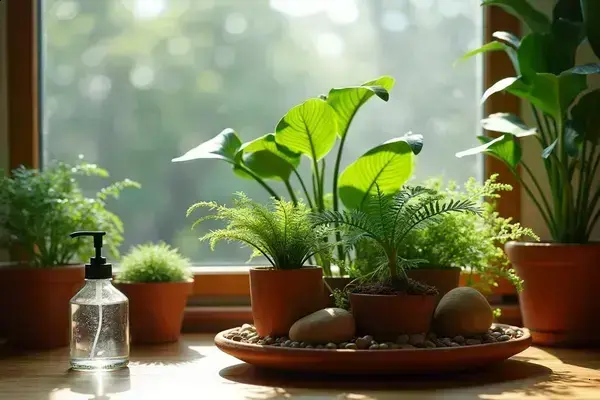
- Boston Fern: Great for boosting humidity, gentle on allergies, but needs weekly watering.
- Aloe Vera: Releases oxygen at night, requires little water, ideal for beginners.
- English Ivy: Removes airborne mold, perfect for those with mild allergy concerns, but keep elevated—it’s toxic if ingested by pets.
The Royal Horticultural Society also points to lavender and jasmine as helpful for relaxation, thanks to their natural fragrance compounds like linalool and benzyl acetate. But there’s a catch: these flowering plants crave bright light by day, so they work best near a sunlit window.
What actually works might surprise you…
How to Care for Bedroom-Friendly Plants
Worried that you’ll kill your beautiful new bedroom plant within a week? You’re not alone—it’s the top concern for most first-timers. Here’s the truth: bedroom-friendly plants don’t need a green thumb, but they do need a simple plan of care tailored to their light, water, and potting needs.
- Pick the Best Spot: Choose a spot with bright, indirect sunlight—but away from vents, chilly windows, or direct heat.
- Water Correctly: Most bedroom plants, like snake plants or aloe, prefer their soil to dry out between waterings. Dip your finger in the soil—if it’s dry an inch down, it’s time to water.
- Dust and Prune: Gently wipe leaves with a damp cloth once a week to remove dust so plants can “breathe.” Remove any yellowed or dead leaves promptly.
- Feed Regularly: During spring and summer, use a balanced houseplant fertilizer every 4–6 weeks. Hold off in winter—plants slow their growth then.
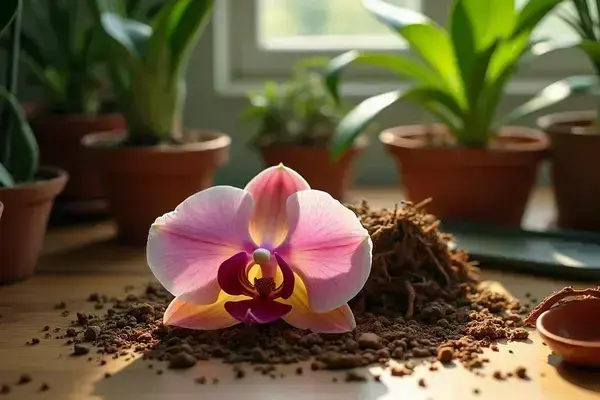
- Repot as Needed: If your plant outgrows its pot (roots poking out, slowed growth), move it to a pot 1–2 inches wider.
- Watering can
- Room temperature filtered water
- Soft cloth for dusting
- All-purpose houseplant fertilizer
- Pots with drainage holes
⚠️ Important Warning: Some fertilizers and pest sprays aren’t formulated for use where you sleep. The American Society for the Prevention of Cruelty to Animals (ASPCA) warns that chemicals in bedrooms can affect air quality. Always select non-toxic, indoor-specific products and check the ASPCA’s list if you have pets or allergies.
In practice: picture this scenario—a new plant parent leaves their snake plant by an open window and forgets about it for weeks. The leaves turn yellow, and little gnats appear. They move it, water sparingly, dust the leaves, and add clean pebbles for drainage. Within a month, the plant looks healthy again and even starts sprouting new shoots.
And this is exactly where most people make the most common mistake…
Common Mistakes and How to Avoid Them
Ever feel like your bedroom plants just don’t thrive, no matter how hard you try? The truth is, most plant problems aren’t about a “black thumb”—they’re about tiny mistakes you’d never spot unless someone points them out. Let’s call out the most common slip-ups and make sure you’re not sabotaging your own bedroom oasis.
| Mistake | Why It Matters | How to Avoid |
|---|---|---|
| Overwatering | Roots suffocate, risk of fungal rot | Allow top inch of soil to fully dry |
| No Drainage Holes | Standing water = root rot | Use pots with holes—pebble trays also help |
| Poor Light Placement | Weak, pale growth or leaf drop | Check plant’s light needs—adjust position seasonally |
- Neglecting Humidity: Bedrooms with air conditioning or heating can cause browning tips. Solution: Cluster plants together or use a small humidifier (as recommended by the American Society of Horticultural Science).
- Using Chemical Cleaners: Cleaning leaves with harsh products can leave toxic residue—always stick to a soft damp cloth.
💡 Pro Tip: Picture this scenario: You’ve watered every Monday out of habit, but your lavender turns limp. Upon checking, the soil’s soggy. Switching to “water on demand” not only revives it, but within two weeks, fragrant blooms return stronger than ever. Don’t follow a calendar—follow the soil.
And honestly? Many bedroom gardeners assume all plants can handle tap water and regular fertilizer, but some, like peace lilies, are sensitive to salts and minerals. If leaves start browning despite perfect care, try filtered water and cut fertilizer by half. The Royal Horticultural Society also cautions about pest infestations that thrive in low-light, low-airflow areas—check under leaves every week for early signs.
But there’s one detail most owners completely overlook until it’s too late…
Design Tips: Arranging Plants for Maximum Impact
Ever walk into a bedroom where plants just seem to elevate the whole vibe—without turning the space into a jungle? That’s no accident. Arranging bedroom plants successfully is about balance, light, and a touch of personality. Thoughtful placement can actually make your room feel bigger, fresher, and more welcoming.
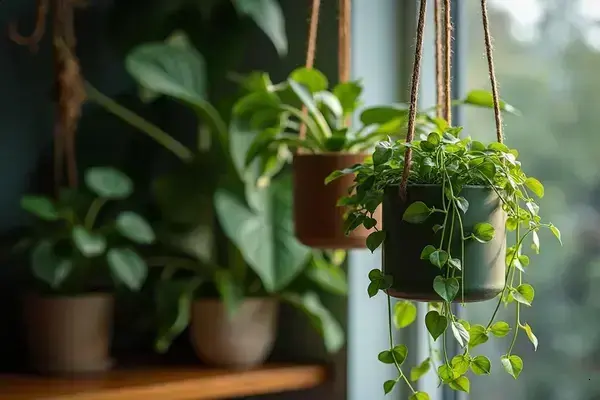
- Cluster for Texture: Mix leaf sizes and shapes in odd-numbered groups. A tall snake plant next to a trailing pothos and a compact peace lily is visually dynamic and fits most nightstands.
- Work the Windows: Place sun-craving plants like lavender or aloe near the sunniest spots. Shade-loving picks like ferns or philodendron thrive on lower shelves away from direct rays.
- Vary Heights: Use plant stands, hanging macrame, or stacked books to create layers. Keeping foliage at different eye levels adds instant sophistication.
💡 Pro Tip: According to the American Society of Interior Designers, placing greenery in the corners or beside mirrors can reflect natural light, making even small bedrooms feel airier and more spacious.
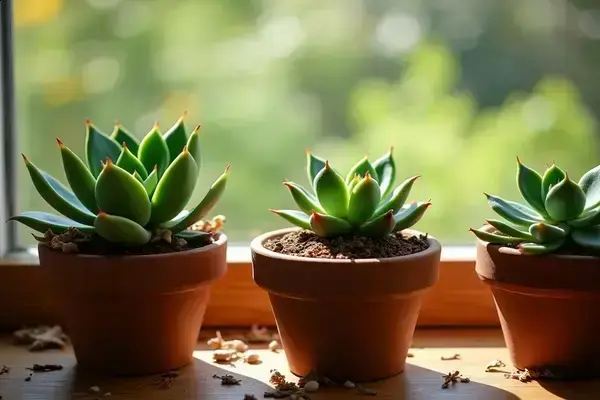
In practice: picture this scenario—a renter moves into a tiny city apartment. They add a large monstera by the window, a spider plant in a woven basket suspended near the bed, and a few petite succulents on floating wall shelves. Suddenly, the cramped room feels purposeful and alive, not cluttered or chaotic.
- Assess your light: Bright, filtered light supports most popular bedroom plants.
- Pick a focal point: Anchor the arrangement with a striking or tall plant.
- Work in layers: Blend tall (snake plant), medium (peace lily), and trailing or small plants (ivy, pothos) for fullness.
- Watch walkways: Keep walk paths clear by pushing arrangements to corners, windowsills, or floating shelves.
- Edit seasonally: Rotate plants every few months for even growth and fresh visual interest.
Once this is in place, the rest of the routine falls into place naturally.
Your Bedroom Feels Peaceful Again
If you take just one thing from this guide, let it be: the right best indoor plants for bedroom can truly transform your sleep and air quality—no green thumb required. Remember to choose plants wisely, care for them with simple routines, and use smart design for maximum comfort.
Maybe your space felt stuffy, dull, or hard to relax in before. Now? You’ve got clear steps to bring life, health, and calm right where you need it most. Even small changes—one new plant, a better watering habit—can make your entire bedroom feel fresh and welcoming. This is your reset button.
What plant or tip are you most excited to try first in your bedroom? Let us know in the comments! 🌱

Ryan James Mitchell is a passionate gardener and plant care enthusiast dedicated to helping everyday people grow food, keep their plants thriving, and connect with nature — one garden at a time. With years of hands-on experience in vegetable gardening, indoor plant care, and seasonal garden planning, Ryan built 3sols to be the practical, honest gardening resource he always wished existed.