Imagine stepping into your backyard and finding fresh vegetables ready to pick—without digging, sowing, or starting over every spring. It might sound like gardening magic, but that’s the promise of perennial vegetables. These crops—once established—just keep showing up year after year.
The frustration of replanting annuals is real. You pour your energy and money into seeds, tilling, and tending, only to start from scratch next season. Missing out on perennial crops means you’re working harder than you need to, giving up on free time and fresh food that could have arrived on autopilot.
By the end, you’ll have a practical perennial vegetables list grow once—and the know-how to set your garden on cruise control. Ready to see which crops could change the way you harvest forever?
What Are Perennial Vegetables And Why Grow Them
Ever wished your vegetable garden could give back year after year — without you replanting every spring? That’s the magic of perennial vegetables. Unlike annuals that demand a fresh start each season, perennials come back on their own, making them nature’s version of a subscription service — only tastier and more reliable.
Here’s the thing: perennial vegetables (like asparagus, rhubarb, and globe artichoke) are plants that live for more than two years, steadily producing fresh food while reducing both labor and cost. No wonder the United States Department of Agriculture (USDA) promotes perennial crops for sustainable home gardening—they conserve resources and require fewer inputs over time.
- Less Work, More Reward: Plant once, harvest for a decade or more.
- Built-In Resilience: Deeper roots mean less watering and better drought resistance.
- Soil Health Boost: Their long-term root systems enrich the earth and prevent erosion.
💡 Pro Tip: Choose varieties that are well-adapted to your region’s climate—perennials can thrive on benign neglect when well matched to their environment.
In practice: Imagine your first spring after planting asparagus. Instead of prepping beds and sowing seeds, you walk outside, coffee in hand, and harvest crisp spears shooting up from the same spot you planted last year. That’s the kind of gardening that saves time, money, and headaches—especially as food prices creep upward.
| Annual Vegetables | Perennial Vegetables | Long-Term Effort |
|---|---|---|
| Must replant every year | Regrow for several years | Low after initial setup |
| Shallow roots | Deep, resilient roots | Improved drought survival |
| Prone to soil depletion | Builds soil over time | Better for sustainability |
What actually works might surprise you…
Top Perennial Vegetables For A Low-Maintenance Garden
How can you turn a typical patch of dirt into an all-you-can-pick garden that’ll keep feeding you for years — with a fraction of the work? The answer’s simpler than most new growers realize: select the right perennial vegetables. These all-stars thrive with very little fuss, bounce back every spring, and often outperform even the sturdiest annuals, according to the United States Department of Agriculture’s plant hardiness studies.
- Asparagus (Asparagus officinalis): Nearly zero maintenance after year one, early spring harvests, lives for decades, and actually improves flavor as the plant ages.
- Rhubarb (Rheum rhabarbarum): Cold-hardy stalks for pies, compotes, and jams, tolerates poor soil, and shrugs off pests that crush annual greens.
- Jerusalem Artichoke (Helianthus tuberosus): Sweet, nutty tubers, flourishes in less-than-perfect soil, spreads naturally, and returns even after cold winters.
- Artichoke (Cynara scolymus): Gorgeous architectural foliage, delicious flower buds, thrives in well-drained soil, and can be semi-evergreen in mild climates.
- Walking Onion (Allium × proliferum): Reliable perennial green onions, self-propagate by forming bulbs on tall stalks that ‘walk’ and replant themselves—nature’s multitaskers.
Picture this scenario: You plant a handful of asparagus crowns in the corner of your backyard. For the first two years, you let the plants establish their root system (a little patience pays off here). By year three, you’re picking fresh shoots before most annuals have even sprouted, and that patch keeps giving for 15+ years. No annual drama, wasted seed packets, or tiller repairs—just dependable harvests.
💡 Pro Tip: Pair deep-rooted perennials like asparagus with shallow-rooted options, such as chives, to maximize your soil’s productivity and minimize weeding later on.
| Vegetable | Best For | Downside |
|---|---|---|
| Asparagus | Early spring meals, long-term yield | Requires patience in first 2 years |
| Rhubarb | Cool climates, low input beds | Only stalks are edible—leaves are toxic |
| Jerusalem Artichoke | Easy, prolific tuber harvests | Spreads aggressively if not contained |
| Artichoke | Mild winters, edible landscaping | Needs winter protection in cold regions |
| Walking Onion | Year-round green onions | Flavor can be sharp for some palates |
If space is tight, start with two or three varieties best matched to your hardiness zone. The National Gardening Association has regional vegetable planting guides, making selection much easier. But there’s one detail most owners completely overlook until it’s too late…
How To Plant And Care For Perennial Veggies
Wondering how you can ensure your perennial vegetables not only survive but thrive for years? It’s all about getting the basics right from the start and understanding what makes these plants different from typical annuals. You’ll set yourself up for consistent, stress-free harvests with just a handful of smart gardening habits.
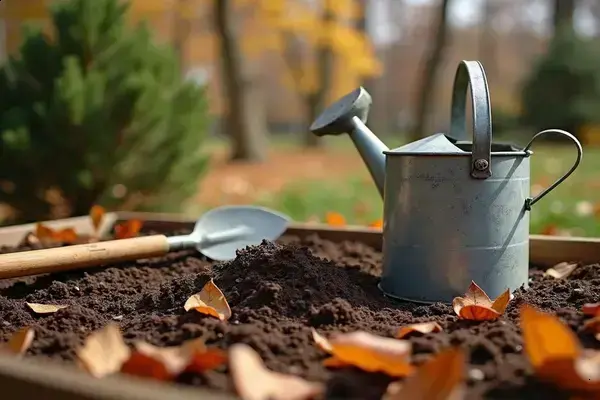
- Garden fork or spade
- Compost or aged manure
- Mulch (like straw or shredded leaves)
- Perennial veggie crowns or root divisions
- Watering can or drip system
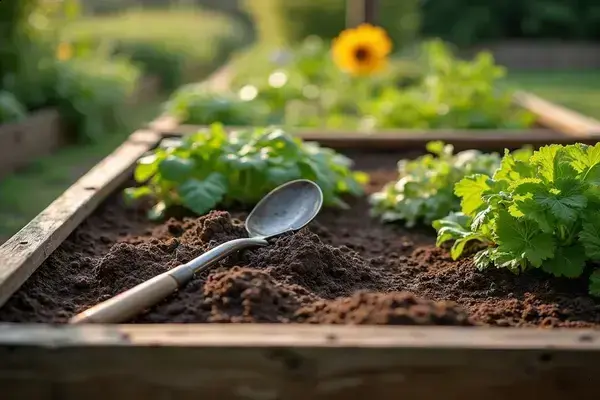
- Pick the Perfect Spot: Choose a sunny location with good drainage. Most perennials—like asparagus—perform best in soil that doesn’t stay soggy.
- Prepare the Soil: Work compost or aged manure deep into the bed. Healthy soil is your number one investment for long-lived harvests.
- Plant at the Right Depth: Follow specific instructions for each crop. For example, asparagus crowns need to be planted 6–8 inches deep, while rhubarb sets closer to the surface.
- Mulch Generously: Apply a thick layer to keep weeds down and moisture steady. Mulch also protects perennial roots through harsh winter and blazing summer.
- Establish a Regular Care Routine: Water deeply during dry spells, prune or divide mature clumps every few years, and keep an eye out for pests or diseases—but you’ll rarely need to interfere.
⚠️ Important Warning: Don’t harvest perennials like asparagus or rhubarb the first year. Let the root system build strength before picking even a stalk, as recommended by the National Gardening Association.
In practice: Picture this scenario—a new gardener plants asparagus and is itching for an early taste. But by holding off harvests for the first two seasons, she gets fatter, more flavorful spears every spring after. That patience pays off, delivering far bigger yields down the line, and less work overall.
Time spent planting right means years of reliable harvests. And this is exactly where most people make the most common mistake…
Mistakes To Avoid When Growing Perennials
What if you do everything right—and perennials still fizzle out? The truth is, most failures aren’t due to bad weather or poor luck. They’re caused by a handful of common mistakes that almost every gardener makes at some point. Even seasoned growers fall into these traps when they underestimate how different perennial veggies really are from annuals.
- Planting Too Shallow or Too Deep: If you bury asparagus crowns too far down or sit rhubarb patches above the soil, roots can suffocate or dry out.
- Overharvesting Too Early: Harvesting the first shoots before plants have built up their root reserves (especially in year one and two) weakens long-term production dramatically.
- Skipping Mulch: Neglecting mulch means battling relentless weeds, losing water to evaporation, and leaving roots exposed to harsh temperature swings.
- Ignoring Plant Spacing: Cramming perennials too close stifles air flow, invites disease, and can even trigger competition that stunts growth.
- Neglecting Division: Many perennials—like Jerusalem artichoke—need to be dug and divided every few years, or they’ll choke themselves out.
⚠️ Important Warning: Never eat rhubarb leaves—they contain oxalic acid and are toxic, according to the US Food and Drug Administration. Stick to the stalks only for safety.
| Mistake | Consequence | Simple Fix |
|---|---|---|
| Harvesting too soon | Weak plants, poor yields for years | Wait two full seasons before picking |
| Forgetting to mulch | Weeds, parched roots, more watering | 3+ inches of straw or bark mulch |
| Wrong planting depth | Slow start or root rot | Check seed packet/crop guide depth |
Picture this scenario: An enthusiastic gardener fills her new raised bed with nine perennial crowns in a tight grid, waters them once, and leaves them. By midsummer, it’s a weedy mess. The few survivors struggle, roots dry or rot, and the yield the next year falls flat. Fix the basics, and the difference is night and day.
What actually works might surprise you…
Long-Term Benefits And Real-Life Success Stories
What’s the real payoff after a few years with perennial vegetables? Unlike most garden projects, these crops mature and multiply, rewarding every bit of patience with bigger, easier harvests. The best part — every season gets better, not harder. That’s a huge win for anyone who values both food security and free time.
Let’s take a look at how the long-term advantages stack up against traditional annual gardens:
| Benefit | Perennials | Annuals |
|---|---|---|
| Labor each year | Very low—no replanting | High—till, sow, weed |
| Chemical input | Minimal, once established | Frequent fertilizer/pesticide |
| Soil health | Improves naturally | Often declines |
💡 Pro Tip: As your perennials grow, start dividing mature plants every 4–5 years to both rejuvenate beds and share extras with friends—spreading the benefits even further, just as suggested by the National Gardening Association.
In practice: Picture this scenario—Rob, a busy dad, planted three small rhubarb crowns and a dozen asparagus roots behind the garage four years ago. After the initial effort, he barely touches them apart from a little spring compost and fall mulch. His family now gets baskets of fresh stalks every year, and the kids actually look forward to harvesting together—no coaxing or bribing needed.
There’s more: long-lived perennial beds offer resilience. When drought hit last summer and neighbors’ annual gardens shriveled, Rob’s perennials kept thriving thanks to their deep roots storing water far underground. Less dependence on irrigation, store-bought produce, or the whims of weather—those are the kinds of rewards that keep on giving.
Small steps, repeated consistently, make the biggest difference over time.
Your Garden’s Set For Easy Years
If you take just one thing from this perennial vegetables list grow once guide, let it be: Planting a few resilient perennials now creates seasons of hassle-free harvests. Choose varieties that suit your climate, start them right, and let time work in your favor.
Maybe you started out thinking a productive food garden meant endless replanting, sore muscles, or weeding every weekend. Not anymore. Now you know that perennial veggies can save time, reduce stress, and keep giving more each year. Your future self will thank you.
Which perennial are you most excited to try in your garden first? Share your pick (and any questions) down in the comments — let’s help each other grow!

Ryan James Mitchell is a passionate gardener and plant care enthusiast dedicated to helping everyday people grow food, keep their plants thriving, and connect with nature — one garden at a time. With years of hands-on experience in vegetable gardening, indoor plant care, and seasonal garden planning, Ryan built 3sols to be the practical, honest gardening resource he always wished existed.