Ever noticed how your energy dips around 3 pm, just as the paperwork piles up and your desk feels a bit—well, lifeless? It’s not just you. Turns out, a sterile workspace can quietly sap your mood and focus.
That lingering sense of fatigue, the endless scrolling, the stack of half-finished tasks… it all adds up when your environment is missing a spark. The cost isn’t just work stress—it’s lost creative sparks and missed chances to recharge right at your desk.
By the time you’ve finished reading, you’ll know exactly which plants for home office desk bring real calm and energy, how to care for them (even without a green thumb), and how those leafy allies can change your whole work vibe. Trust me, the difference is real—let’s get into it.
Why Plants Transform Your Home Office Desk
Ever wondered why sitting at your desk all day drains your focus—even if you’ve had enough caffeine? Here’s the thing: your environment is shaping your energy, your thinking, and even your resilience to stress. A home office, especially, can become a mental cul-de-sac if it lacks sensory stimulation and variety.
That’s where desk plants swoop in, and it’s not just about decor. According to the University of Exeter, workspaces that include living greenery see up to a 15% boost in productivity and well-being. But the true science runs deeper—plants act as natural air purifiers, absorbing CO₂ and volatile compounds while releasing oxygen. Just having a few live plants nearby can lower your heart rate and blood pressure, say studies published by NASA and the Royal College of Agriculture.
💡 Pro Tip: If your home office has minimal ventilation or sits near city traffic, even a single pothos or peace lily can make a noticeable difference in air quality within a week.
Picture this scenario: It’s Monday and you’re jumping into back-to-back calls, staring at the same lifeless monitor. Then, a glance at the vibrant leaves on your desk—a Sansevieria or ZZ plant—pulls you out of the rut. That spark of green cuts through the monotony, helping you reset. It’s not just mood; research by Harvard’s School of Public Health found that natural elements like plants can reduce mental fatigue and enhance problem-solving by up to 26%.
How Exactly Do Desk Plants Help?
- Increase Focus: Leafy, textured forms break up visual clutter, letting your mind recover micro-pauses so you’re less likely to zone out.
- Clean the Air: Some species are proven to remove toxins like benzene, formaldehyde, and toluene.
- Dampen Noise: Foliage absorbs sound reflections—important if your workspace is near hard walls.
- Create a Break Signal: visually marking when it’s time to step back, breathe, or shift screens.
- Foster Creativity: Psychologists call it “biophilic stimulation”—a natural boost that kicks imagination back into gear.
| Benefit | Impact | Most Effective Plant |
|---|---|---|
| Focus Boost | +15% productivity | Sansevieria |
| Air Purification | Less headaches/fatigue | Peace Lily |
| Creativity | 26% better problem-solving | ZZ Plant |
And honestly? The right plant does for your brain what a shot of daylight does for your mood—one of those fixes you never knew you needed till you tried it. But there’s one detail most owners completely overlook until it’s too late…
Best Low-Maintenance Plants For Busy Workdays
What if you want a burst of green at your desk, but don’t have the time or headspace for daily plant care? You’re not alone—most home office workers struggle to keep anything alive between meetings and deadlines. The answer? Low-maintenance desk plants. These resilient varieties thrive on neglect and flourish even if you forget the occasional watering.
💡 Pro Tip: Choose plants labeled as “tolerant” or “hard to kill” by local garden centers, especially if your workspace light is less than ideal. Most big nurseries use rating cards—just ask for guidance!
Let’s lay out what makes a plant truly low-maintenance. It’s not just about how often you water it; things like light needs, humidity tolerance, and pest resistance matter too. The National Garden Bureau highlights that leafy plants with thick, waxy coatings or sturdy leaves—think snake plant or ZZ plant—require far less fuss than tropical divas.
Best Low-Maintenance Plants For Your Desk
| Plant | Key Benefit | Watering (per month) |
|---|---|---|
| Snake Plant (Sansevieria) | Cleans air + tolerates shade | 1-2 times |
| ZZ Plant (Zamioculcas zamiifolia) | Thrives in low light | 1 time |
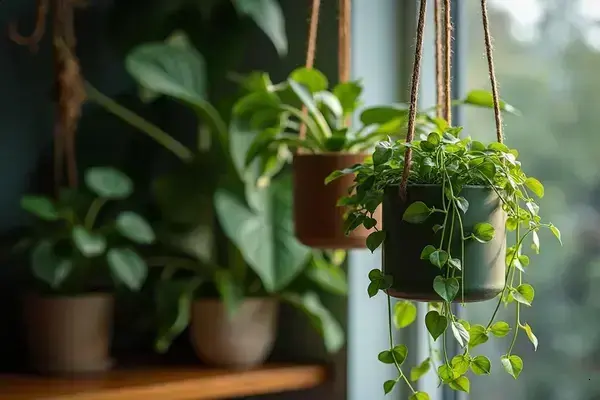
| Pothos (Epipremnum aureum) | Fast-growing, brightens space | 2-3 times |
In practice: imagine a busy designer named Max. He sprints through back-to-back calls and forgets about his plants for a week. But that snake plant by his monitor? Unbothered—its rigid leaves continue purifying the air, and the soil stays damp for days. That’s the beauty of low-maintenance greenery.
- Snake Plant: Needs very little water, tolerates fluorescent lighting, and is almost immune to pests.
- ZZ Plant: Stores water in its underground rhizomes and shrugs off neglect—even in a dark home office.
- Pothos: Trails elegantly and tells you when it needs a drink (wilting leaves that bounce back fast).
According to NASA’s Clean Air Study, these all remove toxins and require minimal upkeep. If you’re still worried, most local nurseries provide care cards—super handy for forgetful moments.
What actually works might surprise you…
How To Arrange And Care For Desk Plants
Ever brought home a stunning plant, only to watch it droop and fade within weeks on your desk? The truth is, even the hardiest plant has a few non-negotiable needs: thoughtful placement, the right watering habits, and an occasional dust or trim. It’s not science fiction—but there are some very real tricks that separate a thriving workspace oasis from a sad windowsill disaster.
- Evaluate Your Light: Identify your desk’s natural light—direct sun, bright indirect, or low. Most desk plants prefer bright, indirect light, but check each plant’s tag or species profile.
- Group Smartly: Cluster plants with similar light and water needs. This simplifies care and looks intentional. Don’t crowd; leave space for airflow and leaf spread.
- Water Wisely: Set a gentle routine—water only when the top inch of soil is dry for most common species. Overwatering is the #1 killer of office plants.
- Rotate Weekly: Turn your pots a quarter turn every week to prevent lopsided growth (plants lean toward light!).
- Clean and Prune: Wipe leaves with a damp cloth every two weeks and snip brown tips or dead leaves to keep things tidy and healthy.
⚠️ Important Warning: Don’t place plants where heating or AC vents blast dry air directly—excessive airflow and sudden temperature changes can stress even tough varieties. NASA’s Clean Air Study also cautions against leaving roots sitting in standing water; always use pots with drainage holes.
Required Supplies:
- Watering can or squeeze bottle
- Soft cloth or brush for cleaning leaves
- Sharp scissors or pruners
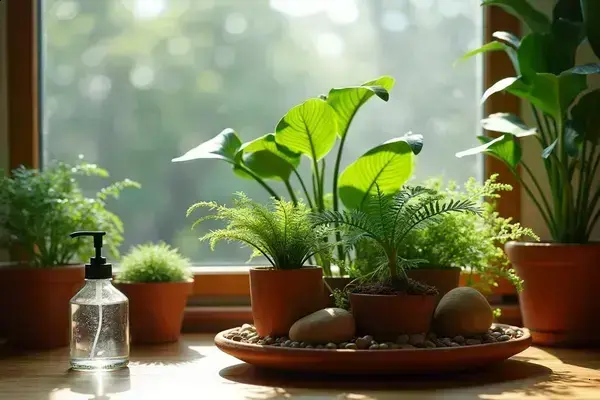
- Humidity tray (for ferns or tropicals)
- Saucer or drainage dish
Picture this scenario: Mia’s workspace is a jumble—one plant by the sunny window grows wild, another languishes in the dark near her monitor. After grouping the shade-lovers and shifting the sun-seeker to a better angle, she sticks to watering every Friday. Suddenly, no yellow leaves, and her ZZ plant throws out new shoots. That’s real progress, not luck.
And this is exactly where most people make the most common mistake…
Choosing The Right Plant For Your Light And Space
How do you actually know which plant belongs on your desk—and which will be doomed from day one? The answer starts with light. Not all greenery is created equal, and even a foot or two can make a dramatic difference in your plant’s health and growth.
💡 Pro Tip: Before you buy, check your workspace at different times of day. North-facing windows mean gentle, indirect light. South or west-facing? Expect longer, sometimes harsher sun—perfect for sun-loving succulents, not for ferns or mosses.
Understanding What Each Plant Needs
| Light Level | Best Plants | Notes |
|---|---|---|
| Low | ZZ Plant, Snake Plant | Perfect for desks with little to no daylight |
| Medium/Indirect | Pothos, Peace Lily | Great near north/east windows, or filtered light |
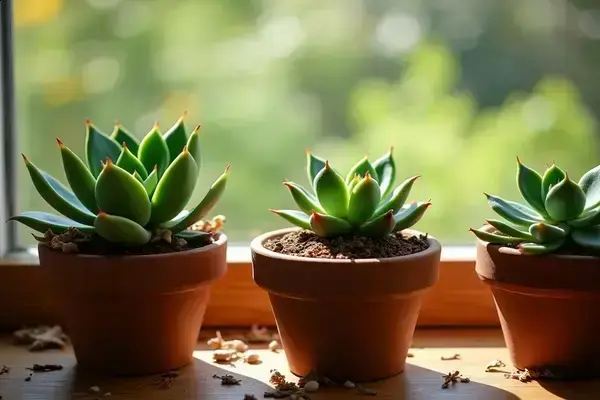
| Bright/Direct | Cacti, Aloe Vera | Ideal adjacent to south or west windows |
Size matters, too. Don’t try squeezing a gigantic monstera onto a narrow shelf or under a low lamp—some plants absolutely require space to breathe (and show off their natural beauty). If your desk is compact, go for upright varieties like sansevieria or trailing ones like small pothos cuttings in a water-filled vase.
- Measure your light: Observe how much time direct sun actually hits your desk.
- Check vertical clearance: Tall leaves may need a bit of headroom—especially if you work in a cubicle or nook.
- Factor in humidity: Air conditioners or heaters zap moisture quick. Ferns and calathea need more humidity or a pebble tray to thrive.
In practice: Picture this scenario—a remote worker named Lisa buys a gorgeous calathea, only to find its patterned leaves browning within days. She realizes her desk, baking under the afternoon sun, is too dry. But her friend’s ZZ plant? Flourishing in a basement studio with hardly any natural light. Lesson learned—matching the plant to your unique space is everything.
And this is exactly where most people make the most common mistake…
Troubleshooting Common Plant Care Challenges
Why do even the hardiest desk plants sometimes look sad or sickly—despite your best intentions? The reality is, every plant parent hits a few bumps: yellow leaves, droopy stems, or mysterious brown spots. Understanding what your plant’s telling you is the quickest route to fixing it (and keeping your workspace vibrant, not stressed).
Typical Desk Plant Problems & Fixes
| Symptom | Likely Cause | What To Do |
|---|---|---|
| Yellow Leaves | Overwatering or poor drainage | Let soil dry, check for root rot, use pot with drainage hole |
| Brown Tips | Dry air or buildup of salts | Mist leaves, flush with clean water occasionally |
| Dropped Leaves | Sudden change in light/temp | Move slowly to better spot, avoid drafts |
💡 Pro Tip: Always check the soil before reacting to sad-looking leaves. More often than not, the surface may be dry while the soil underneath is soggy—a sure recipe for root trouble.
In practice: imagine you spot limp, yellow leaves on your ZZ plant—a notorious survivor. You’re tempted to water, but that might be the problem. After feeling the heavy, damp soil, you lay off the watering can for a week and set the pot atop a folded kitchen towel to help it dry. Fast-forward seven days: new healthy growth, and a newfound confidence in reading your plant’s signals.
- Sticky residue? Check for spider mites—wipe leaves and rinse with a gentle spray. Isolate if needed.
- Moldy soil? Improve airflow, skip watering until the top inch is dry, and consider repotting with fresh mix.
- Leggy growth? Your plant craves more light—move closer to a window or add a grow light. The American Horticultural Society says even a small LED grow lamp can kickstart compact, healthy growth for desk plants with poor sunlight.
Small steps, repeated consistently, make the biggest difference over time.
Your Desk, Your Green Oasis
If you take just one thing from this guide, let it be: choosing the right plants for your home office desk isn’t about perfection—it’s about small, thoughtful changes that genuinely brighten your workspace and your mood. The best plants fit your light, life, and care habits, and even the simplest greenery can transform how you feel during a long workday.
Maybe your desk felt flat before—just another spot for stress or screens. Now you know how a well-placed plant can lift the vibe, boost productivity, and actually thrive with your routine. Even if things get busy or a leaf turns yellow, you’re ready to troubleshoot and keep your space alive. Those tiny green victories add up.
Which desk plant are you most excited to try first—or is an old favorite calling your name? Tell us in the comments. We’d love to hear your green desk success stories!

Ryan James Mitchell is a passionate gardener and plant care enthusiast dedicated to helping everyday people grow food, keep their plants thriving, and connect with nature — one garden at a time. With years of hands-on experience in vegetable gardening, indoor plant care, and seasonal garden planning, Ryan built 3sols to be the practical, honest gardening resource he always wished existed.