Picture this: you’re staring at your tiny patio or cramped balcony, wishing you could finally grow your own fresh veggies—without a backyard. Sound familiar? You’re not alone.
When you don’t have room for a garden, it’s easy to feel stuck. Supermarket produce never feels quite as fresh, and window-sill herbs? Nice, but… not a real harvest. Ignoring the urge means settling for less variety, taste, and satisfaction—all because of a lack of space (or so it seems).
By the end of this guide, you’ll know exactly which best vegetables for containers will thrive, how to dodge rookie mistakes, and what simple steps guarantee a lush, edible oasis—no acreage required. Ready for your first taste?
Why Container Gardening Works In Small Spaces
Ever felt boxed in by your tiny balcony or cramped patio? Here’s the thing: container gardening isn’t just a workaround for lack of space—it’s a design solution. The magic lies in optimizing what you have, turning even a 2-foot patch of sunlight into a thriving mini-ecosystem that provides fresh food right at your door.
Why does it work so well in limited spaces? First, containers allow you to control every variable. Light, water, soil—you make the rules. That’s a huge advantage over traditional gardening, where shifting shade, hard-to-reach corners, and unpredictable soil can ruin your efforts. And honestly? Mobility is a game-changer. If you need more sun, just pick up your pot and move it.
💡 Pro Tip: Start with 12- to 18-inch-wide containers—according to the National Gardening Association, this size hits the sweet spot for most vegetables and maximizes yields without crowding roots or wasting patio real estate.
In practice: imagine you live in a fifth-floor apartment with only a narrow windowsill. You line it with three deep ceramic planters. Each holds a different veggie—lettuce, radish, and Swiss chard. Even on cloudy days, you’re able to adjust their position for optimal light—so you never need to compromise on healthy growth.
- Water Management: Containers drain more efficiently, reducing the risk of root rot—even after heavy rains.
- Soil Health: You control the blend and nutrients, avoiding the disease cycles often present in old ground beds.
- Compact Design: Vertical stacking, hanging pots, and railing boxes let you stack your harvest—going up instead of out.
| Traditional Garden | Container Garden | Small Space Winner? |
|---|---|---|
| Needs lots of land | Fits anywhere | Container |
| Static setup | Fully movable | Container |
| Soil quality varies | Custom soil mix | Container |
According to researchers at the University of California Division of Agriculture and Natural Resources, productivity per square foot can actually be higher in containers—especially when using premium potting soil and efficient irrigation. It’s real science, not just home-gardener folklore.
But there’s one detail most beginners completely overlook until it’s too late…
Top Vegetable Choices For Pots And Planters
Which vegetables really thrive in containers, and which ones struggle? The truth is, not every crop is cut out for small pots—but some excel, producing crisp greens or juicy tomatoes with minimal square footage. If you want the best return on your effort, knowing these top picks will save you from costly mistakes and disappointment.
Let’s break down what makes an ideal container vegetable. Rapid growth, shallow root systems, and high value per plant are strong signals you’ve got a winner. Compact bush varieties—like dwarf tomatoes—outperform sprawling types. Leafy greens rocket skyward with very little root space, and root veggies like radishes don’t mind sharing tight quarters.
💡 Pro Tip: Search for terms like ‘patio,’ ‘bush,’ or ‘baby’ on seed packets. According to the Royal Horticultural Society, these varieties are specifically bred for contained growth and deliver maximum harvest in the smallest spots.
| Vegetable | Why It Excels in Pots | Container Size Needed |
|---|---|---|
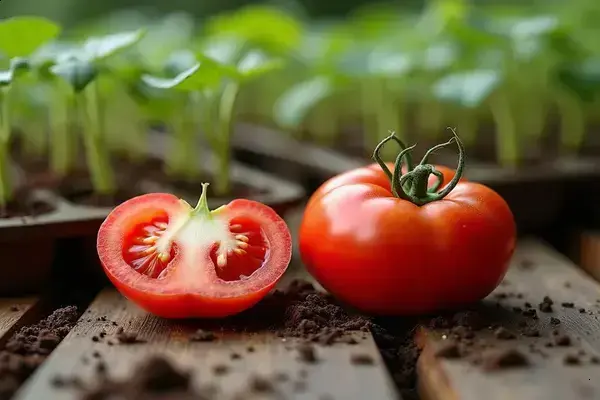
| Cherry Tomatoes (‘Tiny Tim’) | Compact growth; abundant yield per square foot | 12-18 in. pot; deep soil |
| Leaf Lettuce (‘Salad Bowl’) | Continuous harvest; shallow roots | 8-12 in. wide, 6 in. deep |
| Bush Beans (‘Contender’) | Quick maturing; short height | 12 in. deep, support stake optional |
| Radishes (‘French Breakfast’) | Rapid harvest time; thrives in groups | 6 in. pot; shallow soil |
| Herbs (Basil, Chives, Parsley) | Frequent clipping; little root space needed | 6-8 in. pot per plant |
Picture this scenario: you head to the garden store with five pots and a $20 bill. You return with a dwarf tomato, a multipurpose lettuce, basil, chives, and a packet of radish seeds. Within weeks, your small balcony bursts with color and fragrance—and mealtime suddenly gets fresher.
- Best Compact Producer: Cherry tomatoes (‘Tiny Tim’ and other patio hybrids)
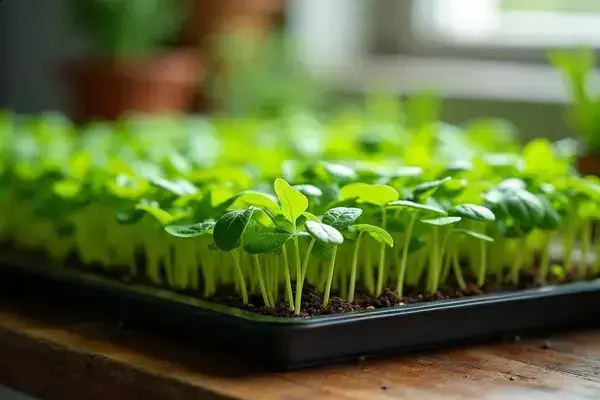
- Lowest Maintenance: Leafy greens, especially cut-and-come-again lettuce mixes
- Most Rewarding for Families: Bush beans (children love the harvest process)
The National Gardening Association confirms that, with proper variety choice and right-size containers, these staples provide consistent results for first-time and veteran growers alike.
What actually works might surprise you…
Essential Container And Soil Tips You Need
What turns an ordinary pot into a powerhouse for vegetable growth? The answer: a few smart container and soil choices that completely change your results. It’s not just about grabbing a flowerpot and calling it a day—there’s a strategic process behind every thriving small-space harvest.
- Container Material: Terracotta breathes well but dries fast; plastic retains water but may overheat on sunny balconies; fabric grow bags balance moisture and airflow.
- Drainage: At least one hole per pot—essential for healthy roots and preventing root rot.
- Size Matters: Go bigger if you can. Even a two-inch extra width adds buffer space for roots and moisture retention.
⚠️ Important Warning: Never use garden soil straight from the ground—it compacts, invites disease, and suffocates roots. Always choose a premium potting mix labeled ‘vegetable-safe.’ The University of Minnesota Extension recommends blends with peat moss, composted bark, and perlite for best results in all climates.
- Choose Your Container: Pick a pot at least 12 inches deep for tomatoes, 6-8 inches for greens, with drainage holes pre-drilled.
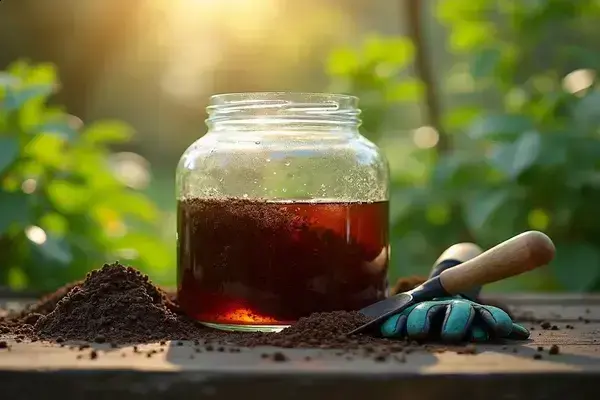
- Prep Your Soil: Mix together high-quality potting mix, slow-release organic fertilizer, and a scoop of well-rotted compost.
- Add a Liner (Optional): Use landscape fabric to keep soil from washing out without blocking drainage.
- Fill and Level: Pour in the mix, tamp lightly, and leave a one-inch gap from the rim for easy watering later.
- Water Deeply Before Planting: Hydrate the soil fully but avoid a soggy swamp.
Picture this scenario: you’re prepping for a Saturday planting session. Instead of scraping up last year’s dirt, you shell out for a fluffy, fortified potting blend, scoop it into wide fabric grow bags, and run water until drops drain out the bottom. Your seedlings practically leap to life over the next week—no guesswork, no stunted growth.
| Container Type | Moisture Control | Thermal Stability |
|---|---|---|
| Plastic Pot | High, risk of overwatering | Low, can overheat |
| Terracotta | Low, dries quickly | Excellent, cools roots |
| Grow Bag | Balanced, well-aerated | Moderate |
And this is exactly where most people make the most common mistake…
Simple Care Routines For Maximum Harvests
Ever wonder why some container gardens explode with produce while others stall out halfway? The secret isn’t magic—it’s sticking to a few simple, consistent care routines. The truth is, even beginners can achieve impressive yields if they track the basics and pay attention to plant signals along the way.
- Water on Schedule: Most container veggies need a deep soak every morning in summer. The soil dries quickly, especially in small pots.
- Feed Regularly: Every 2–3 weeks, add a diluted liquid vegetable fertilizer. Look for balanced N-P-K ratios (like 10-10-10) to support steady growth without burning sensitive roots.
- Rotate and Turn: Turn pots a quarter each week to balance sunlight and prevent one-sided plants. Even a narrow balcony can harbor shadow pockets.
- Prune and Harvest: Pinch herbs and greens young and often. For tomatoes, remove suckers to direct power to fruit.
- Check for Trouble: Watch for yellow leaves, wilting, or slow growth—these signal rootbound plants or a nutrient gap that needs fixing ASAP.
💡 Pro Tip: Water less, but deeper. According to the National Gardening Association, frequent light watering can cause shallow roots—one full soak is better than a quick sprinkle, especially for fruiting vegetables.
In practice: picture this scenario—a city gardener marks every Sunday on her calendar as ‘plant checkup.’ She checks soil with her finger, feeds basil and tomatoes, removes old leaves, and gives each pot a quarter turn to chase the sun. Two months later, she’s supplying her kitchen with handfuls of fresh, homegrown salad greens—without a single chemical pesticide.
- Essential Tools: Long-spout watering can, organic plant food, pruning snips, and a moisture meter for tricky spots.
- Time Commitment: Five minutes a day per pot—set a timer and you’ll never forget.
If you’re ever in doubt, reputable sources like University of California Agriculture and Natural Resources offer seasonal plant care guides tailored to various climate zones. And remember, when in doubt about plant health or pest outbreaks, consulting a certified local Extension agent can save you stress and ensure safe solutions for edible crops.
And this is exactly where most people make the most common mistake…
Common Mistakes (And How To Avoid Them)
You might think growing vegetables in containers is foolproof, but even experienced gardeners stumble on the same classic pitfalls. The truth is, most mistakes happen not from lack of effort, but from tiny oversights that multiply as the plants grow.
- Overcrowding: Packing too many seedlings into a single pot leads to weak, leggy growth instead of lush harvests—roots need room to breathe.
- Poor Drainage: One blocked hole and you risk waterlogged roots and stunted plants. Always double-check for drainage after setting pots down.
- Improper Pot Size: Containers that are too small limit root depth and dry out fast. If you’re unsure, size up; a deeper pot often means healthier yields.
- Wrong Soil: Don’t cut corners with dirt from the yard. It’s too heavy and may harbor pests or disease. Premium potting soil is worth every penny.
- Ignoring Sunlight Changes: Tracking the sun sounds basic, but as seasons shift, the difference between a thriving crop and puny veggies is making sure containers still get 6+ hours of direct light.
⚠️ Important Warning: Overfertilizing—especially with synthetic blends—can burn roots and harm edible crops. The University of Maryland Extension recommends starting light and observing plant response before adjusting your feed schedule.
In practice: last summer, a friend was so eager she crammed tomatoes, basil, and peppers in one snug pot. The result? The tomatoes choked out the basil, and only the tallest pepper managed a single fruit. Her disappointment was real—but fixable. The next round, she spaced the plants, chose larger pots, and watered on a strict routine. The harvest—lush and lively—spoke for itself.
| Mistake | What Happens | How to Prevent |
|---|---|---|
| Too many plants per pot | Poor yield and plant stress | Follow seed packet spacing guidelines |
| No drainage holes | Root rot and yellowing leaves | Check and drill holes before planting |
| Forgetting sun shifts | Weak growth, fewer veggies | Move pots or choose sunniest spots |
The right habits in place now make everything easier from here.
Your Tiny Garden, Big Results
If you take just one thing from this guide, let it be: the right containers, soil, and steady care mean anyone can grow delicious harvests—even in the smallest spaces. You now know how to pick the best vegetables for containers, set them up for success, and sidestep all the rookie mistakes.
Before this, container gardening might’ve felt overwhelming or out of reach. But now? It’s totally doable. You’ll go from guessing and hoping to seeing real, healthy growth on your terms—no backyard required. The difference will show up on your table, bite after homegrown bite.
Which veggie are you most excited to plant first in your own space? Share your plans—or your top questions—in the comments below!

Ryan James Mitchell is a passionate gardener and plant care enthusiast dedicated to helping everyday people grow food, keep their plants thriving, and connect with nature — one garden at a time. With years of hands-on experience in vegetable gardening, indoor plant care, and seasonal garden planning, Ryan built 3sols to be the practical, honest gardening resource he always wished existed.