Picture this: You’re staring at a droopy houseplant, convinced you did everything right—and yet, another leaf turns yellow. Sound familiar? You’re not alone. Even seasoned plant parents get tripped up by the confusing art of watering.
Here’s the thing—guesswork leads to over or underwatered soil, root rot, fungus gnats, wasted money, and endless frustration. You can pour your heart into indoor gardening, but without the right schedule, it’s like flying blind. And who has time for daily second-guessing?
By the end, you’ll have a clear plant watering schedule printable free and the confidence to finally break the classic cycle of doubt, droop, and disappointment. Ready to water like a pro and actually enjoy lush, thriving plants? Read on—the solution is simpler than you think.
Understanding The Needs Of Indoor Plants
Walk through any bustling nursery and you’ll spot it: someone earnestly quizzing the staff about why their peace lily’s leaves are drooping, or why their monstera isn’t putting out new growth. There’s a reason indoor plants stump even the most diligent owners. It’s not just about sunlight — it’s about understanding what each plant actually wants beneath the surface.
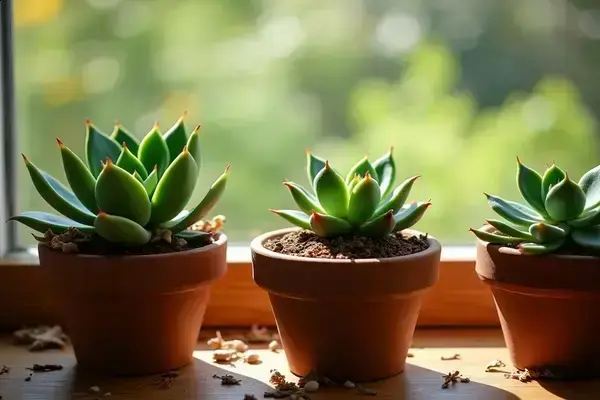
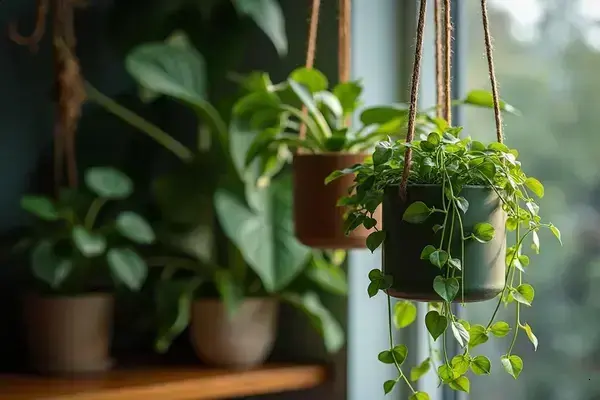
Let’s break it down. Every indoor plant species evolved in a certain climate — humid rainforests, dry deserts, cool pine forests. That means their watering needs aren’t guesswork; they’re written into their roots (literally). Tropical plant varieties like pothos and philodendrons love a slightly moist, warm environment, while a cactus or snake plant expects dry spells between drinks. Knowing your plant’s origin is the first secret.
💡 Pro Tip: According to the Royal Horticultural Society, grouping plants with similar moisture needs makes it easier to maintain steady humidity and prevent accidental overwatering.
In practice: imagine bringing home a lush rubber plant (Ficus elastica). You place it near a bright window, water generously, then — within weeks — notice yellowing leaves. What happened? The plant’s native Southeast Asian forests mean it needs humidity and warmth, but its thick, waxy leaves store water for dry periods. Too much water and the roots suffocate. Too little and the plant droops — but recovers quickly when watered properly.
- Light Levels: Some species crave direct sun; others wilt without cover. Observe the natural lighting in your home at different times of day.
- Humidity: Bathrooms and kitchens offer more moisture in the air — ideal for tropical varieties. Deserts? Less so. Adjust your watering routine accordingly.
- Growth Season: Most houseplants grow faster in spring and summer (needing more water) and slow down in winter (needing less).
| Type | Native Habitat | Watering Frequency |
|---|---|---|
| Snake Plant | Dry grasslands | Every 2-3 weeks |
| Pothos | Tropical rainforest | Weekly (when top inch dry) |
| Peace Lily | Rainforest understory | Every 5-7 days |
But here’s the catch — most people assume all houseplants need the same care, only to find headaches later. What actually works might surprise you…
Common Signs You’re Overwatering (And How To Fix It)
Ever poured your heart (and a little too much water) into your favorite plant, only to watch it struggle? Overwatering is the silent culprit knocking down more houseplants than pests or cold snaps. The tricky part? Its symptoms can look like pretty much every other common plant ailment — and that’s where most plant owners go wrong.
So, what should you really look for? Here are the telltale signs:
- Yellowing Leaves: Not just a hint from the sun, but a classic flag for roots drowning without oxygen.
- Wilting Despite Moist Soil: The ultimate head-scratcher, right? But when roots can’t breathe, the plant sags even if it’s soaked.
- Soft, Mushy Stems or Leaves: Waterlogged cells break down tissue fast.
- Mold on Soil Surface: White fuzz or algae means excess moisture lingering too long.
- Root Rot Odor: If you catch a musty, sour smell, pull the plant gently out — black, soft roots have set in.
💡 Pro Tip: The National Garden Bureau recommends checking with your finger, not your eyes — soil should be dry at least one inch down before rewatering most houseplants.
In practice: Picture this scenario — Jane waters her peace lily twice a week, thinking she’s keeping it happy. After a month, the leaves droop and turn yellow, soil smells sharp. She lifts the rootball and, sure enough, finds a soggy mess of rotten roots. Jane’s frustration is real, but the solution is closer than she thinks.
- Stop Watering Immediately: Let the soil dry out — patience is key here.
- Remove Affected Leaves: Prune yellow, brown, or mushy foliage to redirect energy.
- Inspect The Roots: Gently unpot and snip away all rotten roots with sterilized scissors.
- Repot If Needed: Use fresh, well-draining potting mix (look for formulas with perlite or bark, great for drainage).
- Adjust Watering Habits: Only water when the soil’s top inch feels dry to the touch.
| Sign | What It Means | Immediate Action |
|---|---|---|
| Yellow Leaves | Too much water in root zone | Let soil dry, no fertilizer |
| Mushy Stems | Cell breakdown, possible root rot | Cut back & clean, repot if needed |
| Mold On Soil | Poor airflow, chronic overwatering | Remove mold, repot, increase air |
What actually works might surprise you — and it doesn’t always mean watering less. Adoption of moisture meters and new potting mixes can be game changers…
How To Build The Perfect Plant Watering Routine
Ever wondered why some people’s houseplants seem to thrive effortlessly, while yours have you second-guessing every watering day? Here’s the truth: it’s less about a green thumb, and more about the right routine. The perfect watering schedule isn’t a mystery—you just need a plan based on your plants’ actual needs and your home’s unique environment.
- Assess Each Plant’s Type: Start by grouping and labeling your plants by species. Succulents, tropicals, and ferns all have different hydration requirements.
- Check Soil Moisture: Use the finger test or a moisture meter—never go solely by the calendar. Only water when the soil’s top inch feels dry for most varieties.
- Choose A Consistent Day: Pick one or two regular watering days each week and set reminders. Consistency trains both you and your plants.
- Adjust For Season & Environment: Cut back during winter months and on cooler, cloudy weeks—indoor humidity and sunlight make a real difference.
- Log Results: Keep notes in a notebook, digital calendar, or a printable schedule to track waterings and plant responses over time.
- Soil moisture meter
- Watering can with a narrow spout
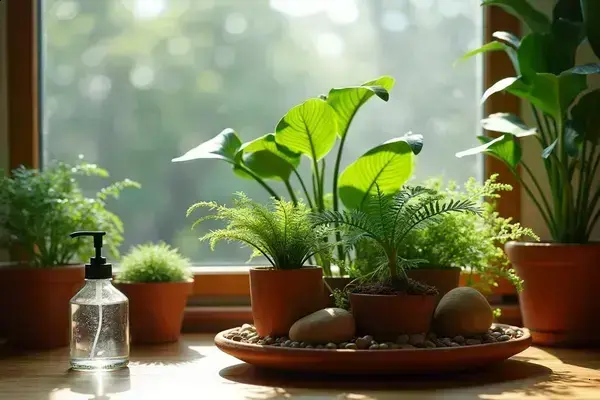
- Spray bottle (for humidity-loving plants)
- Printable plant watering schedule or notebook
- Digital reminders (optional, for consistency)
💡 Pro Tip: According to the University of Vermont Extension, watering in the morning helps avoid fungus and lets you check each plant before the day starts—making it less likely you’ll forget or double up unintentionally.
In practice: You set your schedule to water every Saturday. You run through your snake plant (barely needs a sip), your pothos (checks out—needs a drink), and your fern (thirsty after a dry week). By the third Saturday, each plant’s looking perkier and there’s no more guesswork. It’s not magic—it’s your routine doing the heavy lifting for you.
| Day | Tasks | Why It Works |
|---|---|---|
| Monday | Check all plant soil, water only if top inch dry | Tailors action to plant need, prevents overwatering |
| Saturday | Water scheduled plants, spritz humidity-lovers | Consistent care, healthy growth, less stress |
But there’s one detail most owners completely overlook until it’s too late—timing your watering to your home’s light, temp, and even your own routine…
Comparing Watering Methods: Finding What Works For You
Ever stood in the garden aisle trying to choose between a classic watering can, self-watering pots, or even high-tech drip systems? The truth is, each method fits a different lifestyle, plant type, and budget—and there’s no one-size-fits-all answer. The real question: what makes the most sense for you and your unique plant family?
| Method | How It Works | Best For |
|---|---|---|
| Top Watering | Pour water over soil surface | Most indoor plants, quick checks |
| Bottom Watering | Place pot in tray of water, let soak up | Moisture-loving varieties, root rot prevention |
| Self-Watering Pots | Built-in reservoir gradually wicks water | Busy owners, forgetful waterers |
| Drip Systems | Automated tubes for slow, steady moisture | Large plant collections, vacations |
💡 Pro Tip: The American Society for Horticultural Science suggests alternating between top and bottom watering to prevent mineral buildup in the soil—especially for tropicals and ferns.
- Top Watering gives you instant feedback—watch how quickly water drains through and check the weight of the pot. Great for fast-growing pothos and spider plants.
- Bottom Watering ensures deep root access and keeps leaves dry (less disease risk). Takes more patience—allow 15-30 minutes for full soak.
- Self-Watering Pots offer peace of mind during trips or busy weeks. Look for models with a visible fill indicator; the best are by Lechuza and HBServices USA.
- Drip Irrigation automates the process but can be overkill unless you’re managing 10+ pots. Still, it’s a lifesaver for rare orchids or collectors.
In practice: Picture this scenario—Lisa works long hours and travels often. After two weeks with a self-watering pot, her peace lily perked up dramatically while her fern in a drip system stayed perfectly hydrated. Meanwhile, her monstera (top watered) thrives, but only because she checks the soil every Saturday.
What actually works might surprise you—even tech can’t beat hands-on observation when it comes to knowing your plants’ changing needs. And this is exactly where most people make the most common mistake…
Free Printable Plant Watering Schedule Template
What if you had a plant care tool that actually took the stress out of watering? The right printable schedule is more than busywork—it guides you, week by week, toward healthier, happier plants. It’s not about perfection, but progress you can truly see.
- Plant Name: Give each green friend their own line—no more confusion between monstera and spider plant.
- Watering Frequency: Standard choices (daily, weekly, bi-weekly) with an open column for custom notes, like “less in winter.”
- Last Watered/Next Due: Record exact dates. Over time, you’ll know precisely when a trend is forming—before yellow leaves appear.
- Sunlight & Humidity: Track what you notice. That fiddly fern near the window? Boost humidity or shift its spot easily when you see the pattern.
- Fertilizer/Pest Notes: Include application reminders or sudden issues—making the schedule a full care log, not just a watering chart.
💡 Pro Tip: The National Gardening Association suggests taping your printed schedule inside a kitchen cabinet or close to your favorite watering spot—out of sight, but always within reach.
In practice: You jot down a note after watering your peace lily (“soil still damp—skip next session”). Next week, you catch a burst of new growth. The pattern repeats, and suddenly, you’re not overwatering—you’re responding to real signs. Try color-coding by plant type or severity (red for daily, blue for every 10 days) for larger collections.
- Download and print a free template.
- Fill in each plant’s details (species, pot size, light requirements).
- Set an updating rhythm: daily, weekly, or after each watering.
- Use checkboxes to confirm each watering or leave quick notes.
- Review it every month to update care habits and spot trends.
| Plant | Watering Day | Comments/Next Step |
|---|---|---|
| Snake Plant | Saturday (bi-weekly) | Soil usually dry after 12 days |
| Peace Lily | Wednesday (weekly) | Mist leaves if brown tips |
| Pothos | Monday (weekly) | Increase to twice/week in summer |
The right habits in place now make everything easier from here. You’ll be surprised at how relaxed and confident your plant care routine can become—no more second-guessing, just healthy, thriving plants.
Your Plants Will Thank You
You started with questions—maybe even second-guessed every watering. Now, you’ve learned how to truly read your plants, spot the silent signs of overwatering, create a simple routine, and use a handy plant watering schedule printable free to make it all click. If you take just one thing from this guide, let it be: listening to your plants and staying consistent is key to thriving indoor greenery.
Before, plant care probably felt like a confusing guessing game. Now, you’re set up with the tools and knowledge to act with confidence and avoid costly mistakes. Your home can be a place where healthy leaves come from good habits, not luck. Little changes really do transform your plant care results.
What’s one small shift you’re going to try first—will it be a new routine, a printable, or finally trusting your moisture check? Tell us your plan in the comments below. We can’t wait to hear what you discover!

Ryan James Mitchell is a passionate gardener and plant care enthusiast dedicated to helping everyday people grow food, keep their plants thriving, and connect with nature — one garden at a time. With years of hands-on experience in vegetable gardening, indoor plant care, and seasonal garden planning, Ryan built 3sols to be the practical, honest gardening resource he always wished existed.