Your succulents looked happy at first, but lately, those plump leaves are drooping—or worse, turning brown overnight. Sound familiar? You’re definitely not alone. Beginners often get lured in by the easy-care reputation, only to watch their plants struggle and wonder… what went wrong?
It’s frustrating, right? You follow vague tips online, but somehow succulents seem trickier than expected. Overwater once and they rot; neglect them and you’re left with crispy leaves. It’s easy to feel like you’re missing some unwritten rule everyone else knows.
Here’s what you can expect: by the end, you’ll know exactly how to care for succulents beginners—from soil and watering routines to spot-on placement and quick problem-solving. Ready to transform those struggling plants into something you’re actually proud to show off? Let’s get started—the real secrets are just ahead.
Understanding The Unique Needs Of Succulents
Ever wondered why succulents seem so easy on Instagram, yet wither in your living room? Here’s the thing: succulents are a lesson in extremes. They thrive in environments most houseplants would hate—think blazing sun, rocky soil, wide swings between drought and rain. It’s this unique origin that shapes everything about their care.
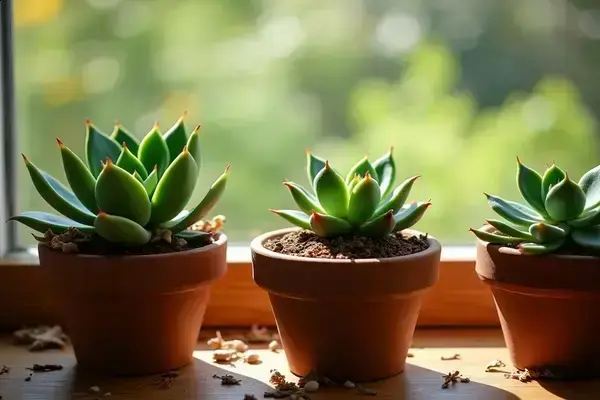
In practice: picture this scenario. You bring home a gorgeous Echeveria, place it on a kitchen windowsill, water it like your peace lily… and the leaves start to mush. It’s not your fault—most people don’t know that succulents store water in their thick, waxy leaves and stems, making them prone to rot if they’re treated like typical leafy plants.
The Essentials That Make Succulents Different
- Water Storage: Unlike ferns or pothos, succulents act like little water tanks. Their leaves, stems, or roots swell when hydrated. This means overwatering is their number one enemy.
- Light Hunger: Most succulents come from places with direct, intense sunlight — like the deserts of Mexico and South Africa. A southern exposure or grow light is often essential indoors.
- Poor Soil Lovers: They’re adapted to gritty, fast-draining soils. Standard potting mix? Not going to cut it without a coarse amendment like perlite or pumice.
- Temperature Swings: Moderate warmth during the day and cooler nights closely mimic their natural cycle. Extreme cold can damage many species, but most enjoy airflow and cooler temps at night.
💡 Pro Tip: According to the Cactus and Succulent Society of America, the single best way to avoid rot is to use pots with drainage and only water once the soil feels dry deep down.
What’s fascinating is how varied succulents are—some, like Aloe vera, can handle a bit more water, while others, like Lithops, want bone-dry conditions most of the year. Their diversity means you’ll want to observe each plant, not just stick to a generic rule.
| Succulent Type | Special Need | Example Species |
|---|---|---|
| Rosette | Bright light, drought tolerance | Echeveria, Sempervivum |
| Columnar | Fast-draining soil, avoid cold drafts | Cereus, Espostoa |
| Leafy | Some tolerate more shade, careful watering | Jade Plant (Crassula), Kalanchoe |
But there’s one detail most owners completely overlook until it’s too late…
Choosing The Right Soil And Pot For Healthy Roots
Why do so many succulents sulk, even when you swear you’re following every care tip? The truth is: most first-timers underestimate just how much soil and pot choice impact root health—and long-term survival. It’s not about buying the prettiest planter; it’s about building the ideal ecosystem below the surface.
Let’s get hands-on. There are only two main requirements for succulent roots to thrive: fast-draining soil and a pot that lets excess water escape. Simple, right? But garden centers often sell “cactus mix” that’s still too dense, and decorative pots without drainage holes are practically invitations for root rot.
In practice: picture this scenario. You’ve got a beautiful jade plant in a glass container (no holes) and basic potting soil. After rains or a few generous waterings, the roots can’t breathe—sooner or later, you’ll spot yellowing leaves and mushy stems. Now, upgrade to a coarse, gritty blend in an unglazed clay pot with drainage, and suddenly those issues (plus gnats and mildew) vanish.
- Gather Your Materials: You’ll need succulent/cactus mix, perlite or pumice, a pot with at least one drainage hole, mesh or screen for the base, and gloves (optional).
- Create The Right Mix: Combine commercial succulent soil with extra perlite or pumice—aim for at least a 1:1 ratio. This keeps water moving and air pockets open.
- Prepare The Pot: Place mesh over the drainage hole. This stops soil from leaking out but allows water to flow freely.
- Fill And Level: Lightly fill your pot with the gritty mix, don’t pack it down tightly. Roots appreciate air flow.
- Repot Gently: Remove your plant from old soil, shake off loose dirt, and inspect roots for damage or rot. Set it into the new mix and backfill, leaving about half an inch below the rim.
💡 Pro Tip: The Royal Horticultural Society recommends using terracotta pots for succulents—the porous clay wicks away excess moisture, lowering the risk of rot even further.
| Pot Type | Drainage | Suitability for Beginners |
|---|---|---|
| Terracotta/Clay | Excellent | Highly recommended, prevents overwatering |
| Plastic | Good (if holes present) | Lightweight, but doesn’t wick moisture—water less often |
| Glass/Ceramic (no drainage) | Poor | Risky—use only as decorative cachepot, never plant directly |
But here’s the kicker—most people do everything right, but forget about the single biggest watering mistake with the new setup…
Watering: How Much And How Often To Avoid Trouble
How can something as simple as watering cause so much stress? For most succulent beginners, this is the one area where intentions and results rarely match. Overwatering is the leading cause of succulent death—yet, underwatering brings its own struggles. The trick is understanding what your plant really needs, not just following a generic rule.
In practice: picture this scenario. You line up your succulents beside the sink and give them all a weekly drink, rain or shine. Some of them seem happy—at first. Then, leaves fall off, roots darken, and some plants just collapse. The reason? Succulents don’t follow a calendar; they follow the moisture in their soil.
- Check Before You Pour: Stick your finger an inch deep into the soil. If it feels dry, it’s time to water. Moist? Wait a few days.
- Drench, Don’t Mist: When watering, soak the soil thoroughly until water runs from the drainage hole. Don’t just spritz the leaves—that leaves roots thirsty and encourages rot.
- Season Matters: Succulents need more water in spring and summer (when growing) and much less in fall and winter.
| Season | Watering Frequency | Signs of Trouble |
|---|---|---|
| Spring/Summer | Every 7-10 days (as needed) | Puckered leaves = too dry, mushy leaves = too wet |
| Fall/Winter | Every 14-21 days (or less) | Wrinkling (needs more); rot (way too much) |
💡 Pro Tip: The University of California Master Gardener Program recommends bottom-watering for small pots—place the container in a water-filled tray for 20 minutes, then drain well. This ensures roots get their fill without waterlogging the crown.
- Test soil moisture before each watering.
- If dry, water deeply until water exits the bottom.
- Always empty excess from saucers to prevent root rot.
- Never follow a rigid watering schedule—adapt to your home’s light, heat, and humidity.
- Observe leaves weekly. Are they plump and firm? You’re on track. Wrinkled or soft? Adjust timing.
And this is exactly where most people make the most common mistake…
Lighting And Placement Tips For Thriving Succulents
Ever notice your succulents stretching tall, looking faded, or just refusing to grow? Here’s the thing: most homes are a far cry from the wild, sun-drenched cliffs that succulents call home. And placement isn’t just about sunlight — it’s about airflow, temperature, and even how often you walk past your plants to check on their progress.
Let’s dig into the essentials. While every species is a bit different, the vast majority of succulents crave bright, indirect light — ideally, at least six hours a day. South- or east-facing windows are a safe bet for most homes. That said, not everyone gets the perfect window, and artificial grow lights can bridge the gap when the weather (or your apartment) doesn’t cooperate.
- Rotation is key: Give your pots a quarter-turn every week. This prevents leaning and ensures all sides get even exposure.
- Watch for signs: Pale leaves, leggy growth, or leaves dropping off? That’s the plant begging for more light. Brown crispy spots mean too much sun — move them back.
- Mind the obstacles: Window screens, sheer curtains, or even nearby trees can change what “full sunlight” means inside. Adjust placement as light shifts through the seasons.
💡 Pro Tip: The Missouri Botanical Garden notes that supplemental LED grow lights with a color temperature between 4000K and 6500K work wonders for indoor succulents during low-light months or for windowless rooms.
In practice: picture this scenario. You place a mix of Haworthia and Echeveria on your office desk, far from any window. After a few months, the Echeveria stretches and loses color, while Haworthia seems fine. That’s species-dependent light tolerance in action—and proof that observation beats one-size-fits-all advice.
| Location | Light Level | Best For |
|---|---|---|
| South/East Window | Bright, indirect | Most succulents (Echeveria, Aloe) |
| Office Desk | Low | Haworthia, Gasteria, Snake Plant |
| Under Grow Light | Customizable | Flexible for mixed collections, windowless rooms |
What actually works might surprise you…
Spotting Problems Early And Easy Fixes For Beginners
How do you actually know when your succulent is sending out an SOS? The truth is, most beginners don’t notice early warning signs—or mistake them for something else. Acting fast can save your plant, so let’s get your eyes trained for the most common trouble.
- Wrinkled, shriveled leaves: Usually means underwatering. The plant is using up its stored water. Solution: Increase watering gradually—don’t drench it all at once.
- Soft, mushy, translucent leaves: Classic sign of overwatering and possible root rot. Gently remove affected leaves, let the soil dry, and reduce watering frequency.
- Stretching (etiolation): When the stem grows long and pale, that’s a cry for more light. Move to a brighter spot or supplement with a grow light.
- Brown, crispy edges: Often from sunburn. Relocate to a spot with bright but indirect sunlight and avoid midday direct rays, especially after recent watering or repotting.
⚠️ Important Warning: According to the University of Illinois Extension, early intervention is crucial—catching rot before it spreads or resolving pests quickly can mean the difference between a thriving succulent and a lost cause.
In practice: picture this scenario. You spot dark patches on the lower leaves of your Echeveria. You act fast—pull it out, trim away blackened roots, and repot in dry, gritty soil. No waiting. The plant survives, and within two weeks, new growth appears.
- Check your succulents weekly for changes in leaf color, firmness, or shape.
- If you see bugs (mealybugs, aphids), isolate the plant and wipe leaves with isopropyl alcohol on a cotton swab.
- Treat mild fungal issues with a safe, labeled fungicide or, for mild cases, remove infected areas and increase airflow.
- After any repotting or major watering mistake, hold off on fertilizing for 4 weeks. Give roots time to recover.
- If plants keep declining, seek professional advice from your local extension office or a certified nursery specialist. (When in doubt—ask!)
| Issue | Likely Cause | How to Fix |
|---|---|---|
| Yellow/Mushy Leaves | Overwatering/Root rot | Cut affected areas, repot in dry soil |
| Pale/Long Growth | Not enough light | Move to brighter spot, rotate regularly |
| Pests (white fuzz, bugs) | Mealybugs or aphids | Wipe with isopropyl alcohol, monitor weekly |
The right habits in place now make everything easier from here.
Your Succulents Deserve This Fresh Start
If you take just one thing from this guide, let it be: pay attention below the surface. The right soil, pots, and watering rhythm truly make caring for succulents beginners-friendly. Mix in good light and quick fixes, and you’ll see thriving plants in no time.
Before, every brown leaf felt like a mystery — or maybe you worried you just weren’t a “plant person.” But now, you know exactly what your succulents are asking for. It’s not complicated. It’s just a new way of noticing and responding. That change? It means more color, more growth, and a lot less stress.
Which of these succulent care tips are you most excited to try this week? Share your plant wins (or even your struggles!) in the comments — let’s learn together.

Ryan James Mitchell is a passionate gardener and plant care enthusiast dedicated to helping everyday people grow food, keep their plants thriving, and connect with nature — one garden at a time. With years of hands-on experience in vegetable gardening, indoor plant care, and seasonal garden planning, Ryan built 3sols to be the practical, honest gardening resource he always wished existed.