Picture this: the first warm breeze after months of gray, and you step outside ready to dig in—but your garden looks like winter never left. That lingering feeling of being behind? You’re definitely not alone.
If you don’t get a jump-start on spring prep, stubborn weeds, wasted money on forgotten seeds, and untamed chaos can take over. Missed timing means late blooms, patchy growth, and garden envy (yep, it’s real!).
By the end, you’ll have a spring garden checklist printable free that’ll keep you on track, make prep feel easy, and help your garden hit its stride right on schedule. Ready? Let’s dig in!
Why Spring Garden Prep Matters More Than You Think
Here’s the thing: most gardeners think spring prep is just about grabbing seeds and new gloves. But there’s a deeper reason why professionals and home growers swear by a solid start — it sets the tone for your whole growing season.
If you’ve ever wondered why some gardens burst with color, while others limp along with yellowing leaves and tangled weeds, prep is usually the silent factor. Your soil, tools, and timing matter far more than impulse picking the prettiest plants at the nursery.
💡 Pro Tip: According to the National Gardening Association, investing just 2-3 hours in structured spring prep leads to 30-40% better yields and less trouble mid-season with pests and disease.
Picture this scenario: you step outside the first sunny Saturday in March, full of plans. You start digging — and the soil’s still compacted, with last year’s dead growth matting the beds. Now everything feels overwhelming. Smart prep lets you move forward with confidence instead of frustration. You’ll avoid repeating the classic rookie mistakes: planting too early, skipping soil testing, or letting mulch pile up at the base of your perennials.
What’s Really at Stake?
Think about it — proper pre-season care saves water (since healthy soil holds moisture), reduces the need for pricey fertilizers, and blocks weed takeovers before they start. The Royal Horticultural Society recommends a multi-step approach each spring: clearing debris, assessing spots for sun exposure, and planning crop rotation for veggies — not just diving in wherever feels easiest.
- Soil Assessment: Determines if you need to add compost, adjust pH, or aerate for root health.
- Tool Maintenance: Well-sharpened pruners and spades prevent accidents and make cleanup a breeze.
- Strategic Planning: Lays out space for companion planting, saving future headaches.
In practice: A friend once skipped prepping his raised beds, thinking one afternoon would be enough come planting day. Two months later, he fought stubborn weeds, lost half his tomato crop, and ended up spending double on pest sprays. A little planning up front would’ve saved him time, money, and the dreaded midsummer garden frustration.
| Prep Task | Immediate Benefit | Long-Term Impact |
|---|---|---|
| Remove Debris | Stops pest overwintering | Fewer outbreaks late spring |
| Test Soil | Targeted fertilizing | Maximized plant health |
| Sharpen Tools | Quicker, safer work | Reduces plant injury/disease |
But there’s one detail most owners completely overlook until it’s too late…
Essential Tools And Supplies For Spring Planting
Ready for spring but not sure if your tools are up to the job? It’s a question every gardener faces — and the truth is, having the right gear saves time, money, and backaches long after planting day is done.
No two gardens need exactly the same setup. Still, there are must-have essentials every successful spring grower keeps close. Not sure what’s actually worth stocking? Here’s a quick look at core tools, plus a few extras that experienced gardeners quietly swear by.
- Hand Trowel: Great for digging small holes, transplanting seedlings, and smoothing soil.
- Pruning Shears: Sharp bypass pruners keep unruly stems and old growth in check.
- Garden Gloves: Protect your hands from thorns, blisters, and unexpected surprises in the soil.
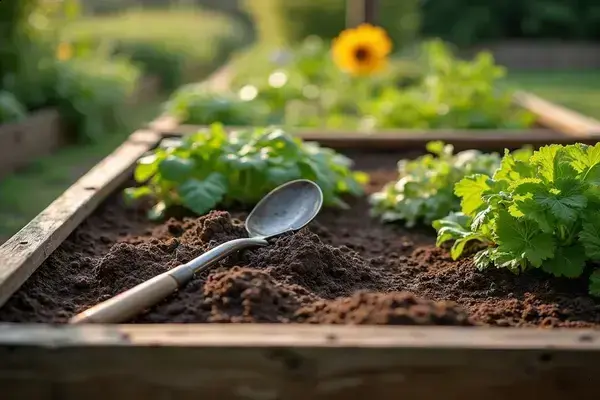
- Spading Fork: Ideal for turning compost or aerating planting beds with compacted earth.
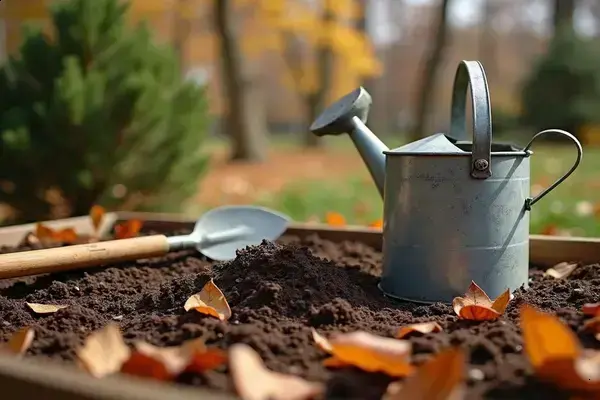
- Watering Can: Precision watering where hoses can’t quite reach or for delicate new sprouts.
⚠️ Important Warning: Never use the same pruning shears for diseased and healthy plants without disinfecting in between. The American Phytopathological Society warns this is a leading cause of accidental cross-contamination and plant loss.
Mix and Match: What Accessories Make a Difference?
In practice: Picture this scenario — you set out to plant your tomatoes, only to realize your trowel’s gone missing, your gloves are full of holes, and last year’s seed packets have vanished somewhere in the shed. Suddenly, what should be a joyful start turns frustrating. That’s why seasoned growers keep their tools clean, organized, and ready right where they’ll use them most.
| Item | Purpose | Pro Tip |
|---|---|---|
| Bypass Pruners | Clean cuts on green stems | Oil blades lightly after use |
| Garden Hoe | Weed management | Choose a model with a comfortable grip |
| Seedling Trays | Starting plants indoors | Label every tray clearly before planting |
- Inventory your existing tools — repair or replace anything worn or rusty.
- Gather your main supplies: trowel, gloves, pruners, watering can, seed packets.
- Set up a cleaning station: mild soap, water, old towel for drying tools quickly after use.
- Label all seed trays, pots, or starter packs the day you sow.
- Keep high-demand tools in a weatherproof box near your main garden entrance.
What actually works might surprise you…
Step-By-Step: Key Tasks To Kick Off Your Spring Garden
Where do you actually begin when spring arrives and your garden is calling? Most people feel overwhelmed staring out at winter’s mess — but the truth is, the process gets much smoother when you break it down into clear, simple steps.
- Clear Away Winter Debris: Remove leaves, sticks, and last year’s dead plants. Give every bed a clean slate so new shoots aren’t smothered.
- Prune and Trim: Cut back perennials and shape shrubs before new growth starts to surge. You’ll help prevent disease and set a tidy foundation.
- Test and Amend the Soil: Use a soil test kit to check nutrient and pH levels — then add compost or organic fertilizer as needed for targeted support. The USDA recommends at least one soil test per year, early in the season.
- Plan Your Planting Layout: Decide what goes where based on sun, soil, and companion planting principles. Draw a quick sketch so you don’t forget your plan (even pros do this!).
- Ready Your Tools: Wash and sharpen pruners, trowels, and spades. A drop of oil on moving parts prevents rust. Set up a dedicated space so everything’s at your fingertips.
- Start Seeds Indoors: If you’re growing tomatoes, peppers, or other heat-lovers, now’s the time to get them going inside. Small investments in starter trays or heat mats can really pay off.
- Cleanup: garden waste bag, rake, gloves
- Pruning: bypass shears, loppers
- Soil improvement: compost, test kit
- Planning: paper, pencil, plant tags
- Seed starting: trays, potting mix, spray bottle
💡 Pro Tip: Don’t rush soil work. If it’s still wet and clumpy, wait a few days before digging. The Royal Horticultural Society says early tilling on waterlogged soil destroys structure for months to come.
In practice: You set a weekend aside in March, run through this list, and by Sunday afternoon your garden feels transformed — ready for success before a single new seed hits the dirt. That focused weekend makes the whole season easier, from smoother planting to healthier, more resilient flowers and vegetables.
And this is exactly where most people make the most common mistake…
Common Spring Garden Mistakes (And How To Avoid Them)
Ever prepped your spring garden, only to feel like something still goes wrong every year? You’re not alone — even seasoned pros run into the same handful of mistakes again and again.
- Jumping the Gun with Planting: It’s tempting to get seeds and transplants in as soon as the sun feels warm. But planting before the soil warms up slows growth and can rot seeds. The Old Farmer’s Almanac recommends waiting until your soil is workable — not just your calendar — and checking with a soil thermometer for best timing.
- Overwatering Newly Planted Beds: Overly eager watering can drown roots and invite disease. Keep the top inch of soil just moist (not soggy) until roots establish, especially for vegetables and annuals.
- Skipping Mulch or Mulching Too Early: Apply mulch after the soil has warmed to help conserve moisture and fight weeds. Mulching too soon traps cold and slows growth — a classic misstep for new gardeners.
💡 Pro Tip: Always disinfect tools between beds, especially after dealing with any signs of disease. The American Horticultural Society warns cross-tool contamination is a leading cause of blight and fungal outbreaks in spring gardens.
How Do Problems Sneak Up?
Picture this scenario: you plant your tomatoes in mid-March after a string of warm days. Then comes a cold snap — and your seedlings shrivel, leaving you frustrated and rushing to buy more. Honest mistakes like this tend to happen when we trust our enthusiasm more than local frost dates or soil conditions.
| Mistake | Why It Happens | How To Avoid |
|---|---|---|
| Planting too soon | Misreading weather, not soil | Wait until soil is 50°F+ and frost risk is gone |
| Over-fertilizing | Thinking more equals better | Test soil, then fertilize only as needed |
| Forgetting crop rotation | Planting same spot yearly | Move crops yearly for pest control |
In practice: Rotating crops — switching where you plant tomatoes, beans, and lettuce each year — breaks disease cycles and boosts soil nutrients. It’s a trick the Royal Horticultural Society and organic farmers have relied on for decades, and it’s proven to cut down on pest problems and boost yields naturally.
And this is exactly where most people make the most common mistake…
Free Printable Spring Garden Checklist For Effortless Planning
How do you keep all your spring garden tasks organized without missing a beat? The truth is, even the most dedicated gardener forgets details when things get busy — and that’s where a free printable checklist can truly change your season.
What’s Inside the Checklist?
The checklist covers what matters most: timely planting dates, tool prep reminders, weekly soil checks, and space to jot custom notes for your climate. It’s structured so that no step slips through the cracks, whether you grow veggies, herbs, or flowers. Sections are spaced for quick morning glances, not endless scrolling on your phone.
- Weekly Tasks: Pruning, watering, pest checks, and soil conditioning — broken down by week for the whole month.
- Supplies Inventory: Make sure seeds, starter trays, fertilizers, mulch, and garden tools are ready for action.
- Personal Notes: A spot to track unusual weather, lessons learned, and which plants thrived or failed last year.
💡 Pro Tip: Print an extra copy to hang in your potting shed or slip into a weather-proof zip pouch for garden walks. According to the National Gardening Association, written checklists boost follow-through and reduce late-spring burnout — especially for multi-bed or family gardens.
| Section | Purpose | How Often To Update |
|---|---|---|
| To-Do Calendar | View tasks by week | Weekly |
| Tools & Supplies | Track what’s missing | Before first work day |
| Notes & Ideas | Jot custom observations | Anytime needed |
In practice: Print the checklist, grab a pen, and walk your garden each Saturday morning. You’ll spot missed steps — early aphids hiding, weeds that popped up overnight, or tools needing oil — before they turn into bigger problems. It’s deliberately designed for hands-on gardeners who don’t want to memorize a dozen tasks or hunt through yesterday’s phone notifications.
Small steps, repeated consistently, make the biggest difference over time.
Your Best Spring Garden Starts Here
If you take just one thing from this guide, let it be: prep isn’t just about planting seeds—it’s about setting the stage for everything you want your garden to become. The right tools, smart timing, and a free printable spring garden checklist truly make all the difference. When you plan ahead, avoid common mistakes, and organize your tasks, you create space for both beauty and higher yields.
Before, spring garden prep might’ve felt overwhelming or easy to forget in the chaos of daily life. Now, you’ve got a proven system, clear steps to follow, and a simple resource to check every week. Your garden can actually thrive, not just survive—and you’ll feel more in control every time you walk outside.
What’s your trick for getting your spring garden off to a strong start? Share your favorite tip in the comments—and help inspire a fellow gardener!

Ryan James Mitchell is a passionate gardener and plant care enthusiast dedicated to helping everyday people grow food, keep their plants thriving, and connect with nature — one garden at a time. With years of hands-on experience in vegetable gardening, indoor plant care, and seasonal garden planning, Ryan built 3sols to be the practical, honest gardening resource he always wished existed.