You’ve put in hours prepping your garden beds, but have you ever wondered why some veggies just refuse to play nice together? It’s not just bad luck—it’s science, and your planting combinations might be holding your harvest back.
Here’s the thing: the wrong plant neighbors can attract pests, compete for nutrients, or simply stunt each other’s growth. If you’re tired of droopy tomatoes next to wild basil, you’re not alone. Many gardeners battle strange mysteries in their veggie plots, wasting time, seeds, and patience without even knowing the cause.
By the time you finish reading, you’ll know exactly which vegetables thrive as companions and which pairings to avoid, all thanks to a detailed companion planting chart vegetables guide. Ready to transform how you plan your garden this season? Let’s dig in.
Why Companion Planting Improves Your Vegetable Garden
Imagine you’re tending a tomato patch and, despite rich soil and good weather, pests appear or yields stay mediocre year after year. Frustrating, right? Here’s the thing: many gardeners overlook what’s happening in the soil and at the roots—a relationship between plants that goes far beyond sun and water.
Companion planting isn’t just an old gardener’s superstition. The science behind it reveals real-world benefits: boosting yields, repelling pests naturally, and improving the use of space. According to research from the University of California’s Agriculture and Natural Resources division, certain vegetables release compounds from their roots or leaves that can shield neighbors from insects—no chemicals required.
What’s really going on beneath the surface? Some plant roots exude substances that repel nematodes or attract pollinators. Others, like legumes, fix nitrogen in the soil, feeding heavy feeders such as corn or cabbage nearby. If you rely only on row planting or single-crop sections, you miss out on these invisible advantages—and often end up fighting more weeds and pests as a result.
💡 Pro Tip: Space marigolds between your tomatoes and beans. Their secret weapon? Pyrethrum—a natural compound used in many organic insecticides. Studies cited by the Royal Horticultural Society confirm that this pairing can reduce aphid and beetle damage without any synthetic sprays.
Picture this scenario: You plant carrots beside onions. The pungent aroma of onion leaves masks your carrots from the carrot fly, while the dense carrot tops help shade out weed competitors. Less weeding, healthier plants, and fewer trips to the store for ‘miracle’ pest sprays. That’s the quiet power of companion planting in action.
| Benefit | Example Plant Pair | Real Outcome |
|---|---|---|
| Pest Reduction | Tomato + Basil | Less whitefly/aphid activity; stronger flavor |
| Soil Health | Peas + Lettuce | Increased nitrogen, faster lettuce growth |
| Space Efficiency | Corn + Pole Beans | Beans climb corn stalks, boosting yield per area |
What actually works might surprise you—because the right neighbor can change your whole garden equation almost overnight…
Essential Vegetable Pairings That Boost Growth
What if a simple pairing mistake in your garden sabotaged your entire harvest? Pairing vegetables isn’t just about saving space—it’s about chemical signals, pest control, soil nutrition, and working with nature’s strengths.
Here’s the truth: plant compatibility is real. Some veggies thrive together, helping each other fight off invaders or pulling nutrients up from deep in the soil. Others are bitter rivals—stunting each other’s growth or, worse, attracting hungry pests straight to your garden beds. Getting this right means healthier plants and bigger crops with less effort.
- Tomatoes + Basil: Not just a culinary classic. Basil’s oils repel whiteflies and aphids, and it’s been shown to boost tomato yield. The National Gardening Association lists this as a top symbiotic pair.
- Carrots + Onions: Onion scent confuses carrot flies, while carrot feathery tops help shade soil, keeping both roots cool.
- Corn + Beans + Squash (The Three Sisters): Corn gives beans a climbing pole, beans fix nitrogen in the soil, and squash leaves shade out weeds. Indigenous communities perfected this trio centuries ago—the Smithsonian Institute documents its science and sustainability.
- Cucumbers + Nasturtium: Nasturtium acts as a trap crop, bringing aphids away from your cucumber vines and attracting pollinators for better yields.
- Peppers + Marjoram: Marjoram’s aroma deters several soft-bodied pests, and its flowers attract beneficial insects when peppers are setting fruit.
💡 Pro Tip: Planting marigolds at row ends can cut nematode damage by half. Trials by the Royal Horticultural Society confirm marigolds work—even in small container gardens.
| Pairing | Key Benefit | Recommended Setup |
|---|---|---|
| Tomato + Basil | Pest reduction and improved flavor | Interplant in alternating rows or within 30cm |
| Corn + Beans + Squash | Maximized space and soil nutrition | Beans at base of corn, squash in gaps |
| Cucumber + Nasturtium | Pest decoy and pollinator boost | Edge surrounding cucumber beds |
Picture this scenario: a backyard gardener always plants tomatoes and peppers side by side. Every year, her peppers looked weak and yielded poorly—until she switched to basil as a tomato neighbor and moved marjoram closer to the peppers. Yield doubled. Pest pressure fell away. Sometimes, all it takes is a strategic shuffle.
But there’s one detail most owners completely overlook until it’s too late…
Common Mistakes To Avoid When Pairing Vegetables
What’s the biggest blunder most gardeners make when pairing vegetables? It’s trusting old myths or overlooking hidden plant rivalries—sometimes with disappointing (or downright frustrating) results.
- Ignoring Plant Families: Some vegetables of the same family—like tomatoes and potatoes—are susceptible to the same diseases. Planting them side by side can increase blight risks, as noted by the University of Minnesota Extension.
- Poor Spacing: Even companions need elbow room. Overcrowding encourages fungal problems and stunted growth, especially in humid climates.
- Combining Heavy Feeders: Putting two nutrient-hungry plants (such as corn and cabbage) together will drain your soil, leading to deficiencies your yields can’t hide.
- Mismatched Watering Needs: Plants like lettuce (shallow-rooted) with onions (deeper roots) may not thrive if watered the same way, resulting in wilted or stunted leaves.
- Assuming All Herbs Help: Not every fragrant plant is a good neighbor. While basil boosts tomatoes, fennel can actually inhibit growth in nearly everything around it.
⚠️ Important Warning: Avoid planting legumes (beans, peas) near members of the allium family (onions, garlic, leeks). According to research from Cornell University, this combination can slow growth and reduce yields for both crops.
In practice: a home gardener, eager for big harvests, planted her carrots and dill in the same row, thinking both enjoyed similar conditions. Within weeks, her carrots struggled and failed, while the dill monopolized the space—classic allelopathy in action. She learned the hard way that proximity can create unexpected competition in root zones.
| Mistake | Why It Hurts | Safer Alternative |
|---|---|---|
| Tomato + Potato | Shared disease risk | Tomato + Basil |
| Peas + Garlic | Poor growth for both | Peas + Carrots |
| Dill + Carrots | Dill stunts carrots | Dill + Onions |
And this is exactly where most people make the most common mistake…
How To Read And Use A Companion Planting Chart
If you’ve ever stared at a companion planting chart and felt overwhelmed, you’re not alone. These charts pack a lot of valuable detail—if you know how to spot what matters most for your garden.
- Gather Materials: You’ll need your chosen companion planting chart (digital or printed), a notepad, a pencil, and your garden layout or dimensions.
- Identify Your Key Crops: Start with your “priority” vegetables—maybe tomatoes, lettuce, or cucumbers—and locate them on the chart.
- Read the Legend: Every chart uses its own symbols (check marks, stars, x’s, color codes). Study the legend so you know what each means—cooperative, neutral, or incompatible.
- Map Relationships: For each crop, trace across the chart’s rows and columns. Are there green checks for allies? Red crosses for rivals? Note all strong partners and any “never pair” warnings.
- Sketch Your Layout: Using your notepad, arrange the crops with allies side by side and rivals far apart, respecting each crop’s space and sun requirements.
- Plan Succession Plantings: Some charts include timing cues—like which pairings can follow one another in the same bed through the season. Use these notes for maximum productivity.
- Time required: 20–30 minutes for a small home garden.
- Prerequisite: A clear sense of your space and priorities.
💡 Pro Tip: Print out two copies—one clean, one to scribble on as you plan. According to the National Center for Home Food Preservation, visual mapping and written notes help prevent costly planting mistakes and improve long-term results.
Picture this scenario: A gardener new to companion planting stands in her backyard with a laminated chart, highlighter in hand, and a sketched-out garden map. She circles “carrots” on the chart, traces a line to “onions,” and marks them as ideal neighbors. At the same time, she avoids pairing beans and onions thanks to a red X—saving herself from last year’s stunted harvest. This step-by-step approach grows not just her crops, but her confidence.
| Chart Symbol | Meaning | Action |
|---|---|---|
| ✔️ | Recommended Pair | Plant side by side |
| — | Neutral | Safe, but no special benefit |
| ❌ | Incompatible Pair | Avoid close planting |
What actually works might surprise you—especially when you start layering these choices with tips for every season…
Seasonal Tips For Planning Your Plant Partnerships
Ever plan your garden in March and wonder why your companions don’t always thrive three months later? The answer is: successful partnerships aren’t just about who goes next to whom—they’re also about when.
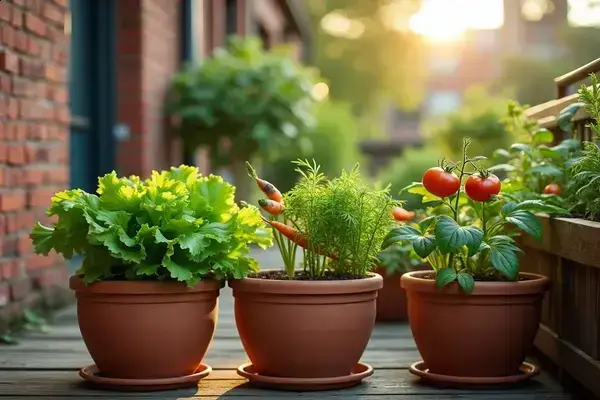
- Spring: Start with cool-weather allies like lettuce, spinach, and radishes. These early crops pair well with onions and carrots, shielding each other from emerging pests and helping roots develop before the intense heat hits.
- Early Summer: Switch focus to warm-season workhorses—tomatoes, peppers, and basil. Interplant quick growers like bush beans between slow-maturing tomatoes for a double harvest and natural pest control, as recommended by the Old Farmer’s Almanac.
- Mid to Late Summer: Plant fast-maturing companions like cucumbers and dill. Use shade from bushier plants to extend the growing period and stagger your crops for continuous yields.
- Fall: Rotate out exhausted plants and introduce nitrogen-fixers like peas and cover crops. These replenish the soil, prepping your garden beds for the next spring.
💡 Pro Tip: Don’t rush into pulling spent crops. Use the roots of peas and beans to enrich the soil with nitrogen and support your fall plantings—a practice endorsed by the United States Department of Agriculture’s Sustainable Agriculture Research and Education (SARE) program.
Picture this scenario: One gardener sets out bush beans beside tomatoes in late spring and keeps lettuce beds shaded behind tall sunflowers into the summer. As tomatoes reach full height, beans finish—freeing space. Lettuce, protected from harsh sun, lasts weeks longer than neighbors’ plots. The rhythm you create with season-based pairings makes everything smoother and less labor-intensive over time.
| Season | Best Pairing Example | Why It Works |
|---|---|---|
| Spring | Radish + Carrot | Radish loosens soil for carrot roots |
| Summer | Tomato + Basil | Basil repels pests, boosts tomato flavor |
| Fall | Peas + Spinach | Peas fix nitrogen, spinach uses it |
Once this is in place, the rest of the routine falls into place naturally.
Your Best Harvests Start Here
If you take just one thing from this companion planting chart vegetables guide, let it be: choosing the right neighbors can make or break your garden. Remember the most important truths—pick strong companion pairs, avoid the classic mistakes, and plan for each season with intention.
Before, you might’ve planted by guesswork—crossing your fingers and hoping everything would thrive. Now you’ve got the tools and confidence to create partnerships that cut pests, boost yields, and keep your soil strong. You’ll notice the difference by summer, I promise.
Which veggie combo are you most excited to try out together this season? Share your plans or your favorite pairs in the comments below. Let’s swap garden wins!

Ryan James Mitchell is a passionate gardener and plant care enthusiast dedicated to helping everyday people grow food, keep their plants thriving, and connect with nature — one garden at a time. With years of hands-on experience in vegetable gardening, indoor plant care, and seasonal garden planning, Ryan built 3sols to be the practical, honest gardening resource he always wished existed.