Ever wonder why some garden beds burst with life while others seem oddly stunted? Sometimes it comes down to who’s growing next to whom—yes, plants play favorites (and enemies) more than most gardeners realize.
If you’ve ever watched your tomatoes sulk or your beans underperform, you know the feeling. Randomly mixing seeds can backfire, wasting months of effort and making you doubt your green thumb. There’s a smarter way—if only there were a clear, proven system for combining plants.
By the time you finish this guide, you’ll have a companion planting guide chart printable in hand—no guesswork, just clear pairings that let your crops support each other. Ready to stop crossing your fingers and start planting with confidence? Let’s get growing.
How Companion Planting Boosts Your Garden’s Success
Why do some gardens just seem to overflow with healthy plants and fewer pests, while others lag behind even when both get similar care and sunshine? The difference isn’t always fertilizer or fancy soil — it’s often smarter plant placement, using a time-tested method called companion planting.
Here’s the thing: companion planting isn’t just about putting random veggies next to each other and hoping for the best. It’s about pairing plants so they boost each other’s growth, ward off common diseases naturally, and even enrich the soil — all without harsh chemicals. With a thoughtful approach, tiny changes in where you place certain crops can have a big payoff come harvest.
💡 Pro Tip: According to the Rodale Institute, planting basil near tomatoes can not only improve tomato flavor but also reduce hornworm damage — saving you time and frustration at the end of the season.
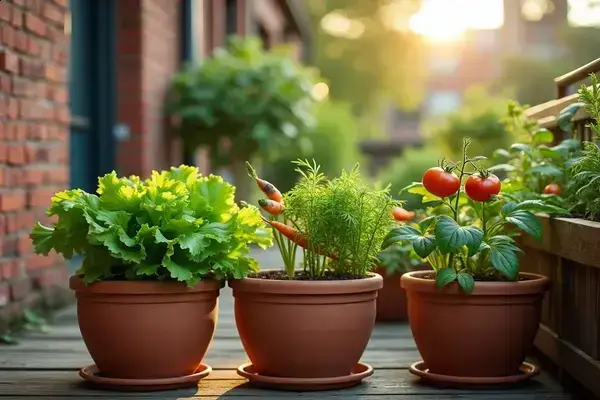
Picture this scenario: you plant tomatoes, basil, and marigolds together. The basil releases aromatic compounds that confuse pests, while marigolds deter nematodes beneath the soil. Meanwhile, beans nearby fix nitrogen, giving leafy greens the nutrients they crave. Your garden practically thrives on teamwork, not just luck.
| Benefit | Example Plant Pair | Science-Backed Reason |
|---|---|---|
| Natural Pest Control | Tomato + Basil | Basil scent deters tomato hornworm (Rodale Institute) |
| Soil Health Improvement | Beans + Corn | Beans fix nitrogen, corn benefits from richer soil (USDA) |
| Increased Yields | Carrots + Onions | Onions repel carrot flies, protecting harvest |
And honestly? The synergy goes far beyond pest control. By choosing strategic companions, you can reduce weeding, use less water, and even stagger harvest times for a more continuous supply of veggies.
But there’s one detail most gardeners completely overlook until the damage is already done…
Classic Plant Pairings That Really Work
Who doesn’t love the idea of planting once and watching plants work together—fighting pests, boosting flavor, and producing more food? That’s the quiet magic of classic companion pairings. But how do you know which combinations actually deliver results, not just rumors?
| Plant Pair | Why It Works | Pro Tip/Source |
|---|---|---|
| Corn + Beans + Squash | Beans fix nitrogen; corn supports vines; squash covers soil | Traditional Native “Three Sisters” method (USDA and Seed Savers Exchange) |
| Tomatoes + Basil | Basil deters pests and enhances tomato flavor | Recommended by Rodale Institute for natural resistance |
| Carrots + Onions | Onions repel carrot flies; carrots break up soil | Royal Horticultural Society (RHS) supported |
Some plant friendships are time-tested for a reason. The classic “Three Sisters”—corn, pole beans, and squash—created a natural ecosystem before synthetic fertilizers were even a thought. The beans feed the soil, the corn gives beans a ladder, and squash leaves smother weeds.
💡 Pro Tip: Mix marigolds around your vegetable beds; their pungent scent repels nematodes and aphids, according to the University of Florida’s IFAS Extension. Plus, they’re easy on the eyes.
- Radishes + Cucumbers: Radishes grow fast, break up heavy ground, and help distract cucumber beetles in early summer.
- Peppers + Oregano: Oregano acts as a living mulch, helping peppers retain moisture and discouraging the spread of fungal disease.
- Spinach + Strawberries: Spinach’s shallow roots get along well with strawberries, with both plants thriving in cooler spring weather.
In practice: a backyard grower adds basil seedlings next to tomato transplants in their raised bed. After a rough year battling hornworms, this simple switch saves at least half the fruit that used to be lost. The basil? Also tastier than ever.
What actually works might surprise you when it comes to the flip side: plant combos that secretly undermine each other’s success…
Avoiding Garden Nightmares: Plants That Clash
Ever wonder why your cucumber plants struggle every year, even when you water and fertilize on time? Sometimes, it’s not your care—it’s their neighbors. Certain plant pairings can stunt growth, attract insects, or even create conditions ripe for disease. Those classic ‘bad neighbors’ can seriously derail a thriving garden.
Here’s the truth: some plants release chemicals through their roots or leaves that inhibit others, a phenomenon called allelopathy. Others simply compete fiercely for light, nutrients, or moisture, leaving both partners diminished. The Royal Horticultural Society warns that ignoring these hidden rivalries can ruin an entire bed’s productivity in a single season.
⚠️ Important Warning: According to the University of California Agriculture & Natural Resources, planting onions near peas slows both crops, decreasing your yields and increasing susceptibility to pests. Read those planting charts carefully and trust research over old wives’ tales!
- Beans & Onions: Compete for nutrients and stunt each other’s growth.
- Tomatoes & Corn: Both are magnets for corn earworm and attract similar pests, compounding problems.
- Cucumbers & Sage: Sage releases compounds that inhibit cucumber germination and early growth.
- Potatoes & Sunflowers: Both exude allelopathic substances that can limit growth.
- Carrots & Dill: Dill encourages carrot pests and slows carrot maturation.
| Clashing Pair | Result | Safer Alternatives |
|---|---|---|
| Peas + Onion | Stunted shoots, weak flavor | Grow peas with lettuce instead |
| Tomato + Corn | Double pest threat | Tomato & basil are safer |
| Carrot + Dill | Poor root growth, pest risk | Pair carrots with onions or leeks |
Picture this scenario: you plant beans in the same raised bed as onions, thinking they’ll both love the rich compost. Fast forward two months—yellow leaves, tiny pods, and bulbs that barely develop. Frustrating, right? Avoiding these pairings can literally mean the difference between a basket brimming with produce and a season of disappointment.
And this is exactly where most people make the most common mistake—overlooking the subtle clues that signal garden harmony or disaster…
Creating and Using Your Own Companion Planting Chart
Ever stared at seed packets, unsure which should go side by side—and which should stay far apart? Creating your own companion planting chart brings clarity and saves you headaches all season long. You’ll personalize your layout, make fewer guesswork errors, and breathe easier during peak planting time.
- Gather your resources: Collect a notebook, colored markers, garden bed measurements, and reliable charts from trusted sources like the Rodale Institute or your local Extension office.
- List your crops: Write down every vegetable, fruit, or herb you plan to grow this season, noting varieties when possible.
- Research ideal companions & rivals: For each crop, mark friendly and unfriendly neighbors—look for university research or well-vetted references, not just internet folklore.
- Draft your chart layout: Draw garden sections to scale. Use different colors for strong allies, shallow-rooted plants, and possible problem pairs. Cross-reference for succession planting, too.
- Finalize and post your chart: Hang your finished guide in your shed or print a waterproof copy for the garden. Update throughout the season—make notes if you notice unexpected results or want to tweak next year.
💡 Pro Tip: Always include a column for “bad neighbors” on your chart. According to the University of Minnesota Extension, even experienced gardeners slip up here—one mistake can cost a full harvest of beans or carrots.
- Update the chart at the start of each season as your crop plan changes.
- Laminating your chart keeps it dirt-proof and rain-proof during busy spring planting.
- Keep it accessible—taped to a potting bench or inside your garden shed door.
- Add real observations every year to improve your own database.
In practice: picture a home gardener who lost half her cucumber crop to pests last year. This season, she consults her custom planting chart and moves her marigolds and radishes to new locations—successfully reducing cucumber beetle damage.
But what if all this work could be simplified—a ready-to-print chart, fully organized, at your fingertips? That’s exactly what’s next…
Printable Chart: Quick Reference for Your Next Garden Session
What if you could step into your garden, chart in hand, and know instantly which plants belong together—and which should never share soil? A printable companion planting chart turns that vision into reality. Whether you’re a backyard beginner or a lifelong grower, this resource makes every plot layout, seed swap, and succession plan so much easier.
| Plant | Best Companions | Should Avoid |
|---|---|---|
| Tomato | Basil, Marigold, Carrot | Corn, Fennel |
| Bean | Corn, Cucumber, Radish | Onion, Garlic |
| Carrot | Leek, Onion, Pea | Dill, Parsnip |
💡 Pro Tip: Laminate your printable chart (or slip it into a waterproof plastic sleeve)—that way, muddy fingers and a sudden rain shower won’t smudge your plant pairings. The National Gardening Association recommends updating your chart annually.
- What’s included: Crop-by-crop chart listing ideal companions and plants to separate, color-coded for easy scanning.
- How to use it: Post your chart on the shed wall, potting bench, or clipboard. Cross-check it as you plot your next succession, transplant, or harvest—especially during peak spring planting.
- How to customize: Add personal notes, like areas you’ve noticed pest resistance or strong yield, using a fine tip marker right on your printout.
- Who benefits most: Gardeners with multiple beds, organic growers, school garden coordinators, and anyone tracking long-term crop performance year to year.
In practice: a small urban farmer mounts her chart in a waterproof frame near the garden gate. Each morning, she consults it while mapping out the day’s planting—less stress, faster beds, and better yields over time. Once this is in place, the rest of your garden routine falls into place naturally.
Your Garden Knows Its Friends Now
If you take just one thing from this guide, let it be: choosing the right plant neighbors changes everything. You’ve learned the power of classic pairings, how to avoid plant enemies, and the simple beauty of a companion planting guide chart printable right at hand.
Before, garden planning probably felt confusing—or just luck. But now you can sketch your beds with real confidence. Mistakes get rare. Your plants get stronger. Suddenly, you’re saving time, fighting fewer pests, and watching your harvest grow each year.
Which plant combo are you most excited to try—or most surprised by? Share your favorite (or most challenging) pairings in the comments below. Can’t wait to hear your garden stories!

Ryan James Mitchell is a passionate gardener and plant care enthusiast dedicated to helping everyday people grow food, keep their plants thriving, and connect with nature — one garden at a time. With years of hands-on experience in vegetable gardening, indoor plant care, and seasonal garden planning, Ryan built 3sols to be the practical, honest gardening resource he always wished existed.