Picture yourself prepping dinner—a sprig of green basil within arm’s reach, sunbeams hitting tiny glossy leaves right on your kitchen windowsill. There’s something quietly magical about that living splash of color where you cook.
But honestly? Not every plant will thrive on a windowsill. Maybe you’ve tried before and watched your windowsill garden turn limp, faded, or just plain sad. Ends up, picking the right greenery is everything—and getting it wrong turns your kitchen into a mini plant graveyard.
By the end of this guide, you’ll know exactly which best plants for kitchen windowsill will grow strong (and look beautiful doing it). Grab a seat—some surprises ahead might just change how you grow food at home.
Why Windowsills Are Perfect For Kitchen Plants
Ever wondered why so many people place their favorite herbs and greens right on a kitchen windowsill instead of tucking them away elsewhere? The answer’s simple — windowsills offer a natural combination of sunlight, airflow, and easy access that no countertop or shelf can match.
The kitchen is a unique microclimate. Warmth from cooking, increased humidity from boiling pots, and the soft, steady light streaming in all day long create ideal conditions for plant growth (especially for culinary herbs). According to the Royal Horticultural Society, most edible plants, like basil and chives, need at least 4-6 hours of direct sunlight per day for robust growth — and windowsills are prime real estate for catching those rays.
💡 Pro Tip: Choose a sill on the east or south side of your home, as these typically receive the best morning and midday sun, and rotate your pots weekly to ensure even exposure.
Picture this scenario: You’re prepping your morning omelet, and you snip fresh parsley from the sunlit pot beside the sink. You’re not just saving a trip to the store — you’re adding more flavor and nutrients to your food, right at your fingertips. And because kitchen windowsills stay visible, it’s easier to remember to water and care for your plants compared to those hidden away in other rooms.
- Controlled Watering: The proximity of the kitchen sink means you’ll never have an excuse to skip a watering.
- Pest Monitoring: Being in a high-traffic area, you’ll notice any signs of insects or disease much sooner.
- Visual Appeal: Just a row of green along your window can make the whole kitchen feel vibrant and inviting (it’s an instant mood-lifter — and that’s not just grandma’s wisdom, it’s backed by research from the National Gardening Association).
| Feature | Benefit | Why It Matters |
|---|---|---|
| Sun Exposure | Supports growth and flavor | Most kitchen herbs crave bright, direct light |
| Easy Access | Fresh harvest daily | Convenience encourages healthy eating habits |
| Airflow | Reduces mold/mildew risk | Circulating air keeps plant foliage healthy |
And honestly? Most indoor growers don’t take full advantage of this natural setup — so learning why windowsills are perfect for kitchen plants can give you an edge over those who simply plop a pot down anywhere and call it a day. But there’s one detail most owners completely overlook until it’s too late…
Essential Factors When Choosing Windowsill Plants
What actually determines whether your kitchen windowsill becomes a lush oasis or a sad row of wilting pots? The truth is, success comes down to matching the right plant to the right conditions — and understanding what those conditions really are for your specific window.
- Light Intensity: South-facing windows get the most sun, while north windows are usually too dim for anything but low-light plants. The USDA Plant Hardiness Zone Map is a handy reference for adjusting plant choices to your local climate and available light.
- Space: It’s easy to overload a small sill. Compact varieties of herbs (like Greek basil or dwarf parsley) do better than sprawling options and take less trimming. Always measure depth and height — most herbs need at least 4-6 inches between pots.
- Temperature & Drafts: Kitchens fluctuate in temperature throughout the day. A cold draft from an old window or a blast of heat from a nearby oven can make a big difference. Many houseplants, including culinary herbs, prefer temperatures of 60–75°F.
💡 Pro Tip: Group plants with similar care needs together — it’ll save you time and reduce the chance of overwatering or underfeeding.
In practice: Katie placed a mint and a rosemary on her east-facing sill. The mint thrived in the moist, filtered light, but the rosemary flopped because it needed drier soil and more intense sun. Swapping their positions (and pots with better drainage) turned her kitchen garden around in a week.
| Factor | Why It Matters | Best For |
|---|---|---|
| Light Exposure | Affects growth and flavor intensity | Full-sun or shade-tolerant herbs |
| Pot Drainage | Prevents root rot and fungus | Clay or self-watering planters |
| Humidity | Some kitchen herbs love moisture, others don’t | Mint, chives (moist); rosemary, thyme (drier) |
You’ll want to check the care instructions on each plant — the Royal Horticultural Society provides excellent, science-backed guides for both indoor and edible varieties. And this is exactly where most people make the most common mistake…
Top Herbs And Greenery That Thrive Indoors
Which plants actually flourish on a kitchen windowsill — and won’t leave you staring at stunted, drooping stems after a few weeks? It’s all about picking herbs and greenery that are proven to handle the unique indoor microclimate of a busy kitchen. That means reliable growth, fuss-free care, and guaranteed flavor boosts for your meals.
💡 Pro Tip: Stick to compact, fast-growing options like basil, parsley, mint, and chives if you want near-instant results — these herbs are famously forgiving, and they’ll give back every bit of attention you show them. The National Gardening Association officially recommends these for beginners and pros alike.
In practice: picture this scenario — a home chef lines up basil (Ocimum basilicum), thyme (Thymus vulgaris), and curly parsley (Petroselinum crispum) on the windowsill. The basil explodes in glossy green, thyme sends out tiny clusters of fragrant leaves, while parsley’s bright, ruffled foliage soaks up the morning light. It’s not just decoration — clips of each get tossed into salads, omelets, and pasta nightly. Zero food waste. Maximum freshness.
- Basil: Fast growth, loves sun, but keep the soil moist and never let it dry out completely. Great for caprese salads and fresh pesto.
- Thyme: Thrives in partial sun, very drought-tolerant, small root system — perfect for shallower pots. Adds depth to roasted vegetables and soups.
- Parsley: Handles limited light, good humidity tolerance, rich in vitamins A and C. Sprinkle it on everything from eggs to soups for a nutrient kick.
- Mint: Grows like crazy, needs containment or its roots can take over. Loves rich soil, partial shade. Excellent for teas, cocktails, and desserts.
- Chives: Compact, vertical growth, happiest in sunny spots, needs draining soil. Snip into salads, dips, or on top of baked potatoes.
| Plant | Pros | Best For |
|---|---|---|
| Basil | Quick harvests, intense flavor | Sunny sills, frequent cooks |
| Thyme | Low maintenance, aromatic | Drier spots, gourmet dishes |
| Mint | Very hardy, fast spreading | Containment pots, drinks |
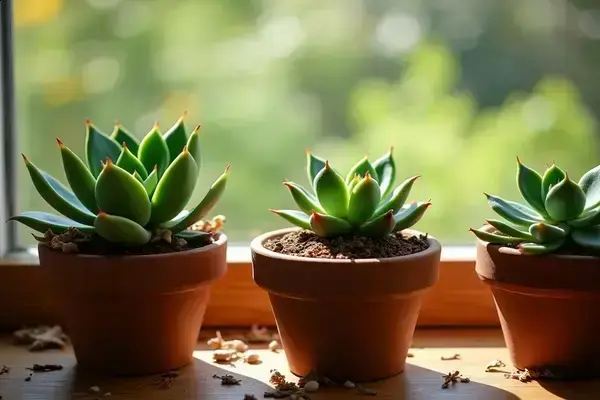
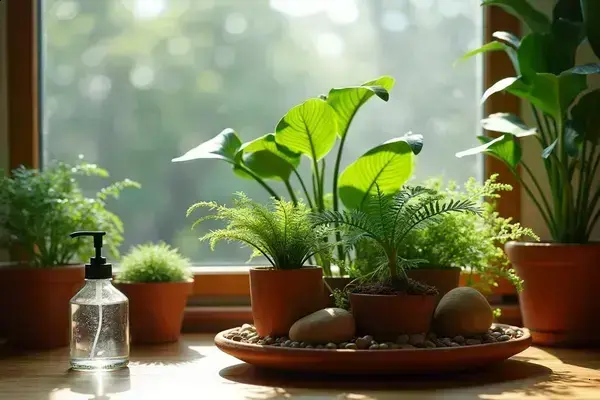
And honestly? There’s a whole world beyond herbs — microgreens, dwarf ferns, and even certain succulents thrive if your light is bright enough and you choose the right soil. What actually works might surprise you…
Keeping Plants Healthy: Light, Water And Care Tips
What’s the real recipe for thriving kitchen windowsill plants? Even with the perfect varieties, it’s daily care — not just occasional attention — that separates lush growth from limp, struggling stems. Luckily, nailing the basics isn’t rocket science.
- Observe Your Light: Test your sill with your hand — if it casts a sharp shadow at midday, you’ve got direct light; blurred shadows signal filtered or indirect light. Basil and chives demand full sun, while mint and parsley handle partial light well.
- Water Smartly: Stick your finger one inch into the soil before watering. If it feels dry, add water; if it’s damp, wait another day. Overwatering causes root rot, a common issue flagged by the Royal Horticultural Society.
- Feed (But Don’t Overfeed): Use a liquid houseplant fertilizer diluted to half strength every 3-4 weeks during the active growing season. Skip feeding in the winter when plants slow down indoors.
- Prune Regularly: Snip leaves and stems above new growth nodes. Pruning not only makes herbs bushier, it prevents legginess (that scraggly, stretched-out look).
- Watch for Pests: Aphids, spider mites, and fungus gnats love kitchen humidity. Use a gentle insecticidal soap at first sign and always check leaf undersides.
⚠️ Important Warning: Never use outdoor garden chemicals on edible kitchen herbs. Stick to food-safe or organic pest remedies — your health (and flavor) depend on it. For advice on safe fertilizers and organic treatments, consult local extension services or the National Gardening Association.
In practice: picture this scenario — you water mint daily, but soon notice yellow leaves and soggy soil. After switching to every three days and using a clay pot for better drainage, the plant rebounds. Sometimes, a small adjustment makes all the difference.
- Clean windows monthly for better light transmission
- Wipe dust from leaves with a damp cloth
- Rotate pots weekly for even growth
And this is exactly where most people make the most common mistake…
Creative Ideas For Displaying Plants In Your Kitchen
Why just line up pots in a row when there are so many stylish, space-smart ways to show off your kitchen windowsill plants? The truth is, creative arranging goes beyond looks — it can improve growth and turn plants into a true highlight of your space.
- Tiered Shelves: Add slim, open shelves at different heights beside or in front of your window. This instantly multiplies usable space, allowing trailing herbs like thyme or oregano to cascade down while sun-loving basil takes the top level.
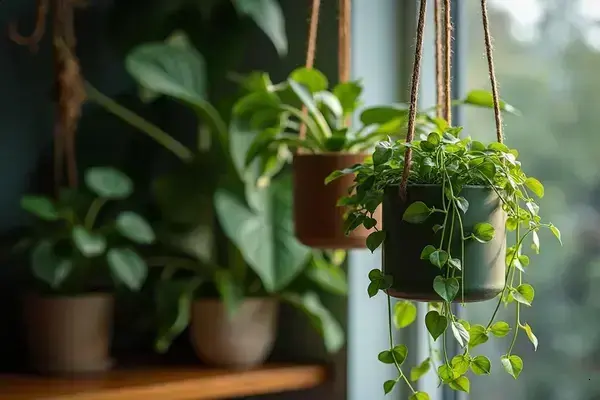
- Hanging Planters: Use macramé hangers or modern glass globes to bring greenery up to eye level — perfect where sill space is cramped or you want to frame the window itself with green.
- Wall-Mounted Pots: Magnetic or pocket planters let you keep herbs handy right on your backsplash, out of splash zones but within arm’s reach. Great for tiny kitchens or renters who want to avoid drilling holes.
- Repurposed Finds: Vintage teacups, mason jars, or small colanders make charming little pots for single sprigs or microgreens. Just be sure they have drainage or add a layer of pebbles at the bottom.
💡 Pro Tip: Mix heights, textures, and pot colors for more visual interest. Group plants by care needs — dry-loving succulents on one side, moisture-happy basil and mint on the other — to make watering much simpler. The American Society for Horticultural Science recommends rotating decorative groupings regularly so all plants get even light.
In practice: picture this scenario — Nia uses a secondhand spice rack to stagger miniature pots of parsley, dill, and basil close to the windowpane. Not only do her herbs catch the morning sun, but guests always notice the creative display (and her kitchen smells amazing).
| Display Style | Best Suited For | Visual Impact |
|---|---|---|
| Hanging Planters | Small kitchens, renters | Eye-catching, modern |
| Tiered Shelves | Larger windowsills | Layered, lush |
| Wall-Mounted Pots | Narrow spaces | Vertical accent |
| Repurposed Containers | One-off herbs, style lovers | Whimsical, personal |
Small steps, repeated consistently, make the biggest difference over time.
Your Kitchen Garden Starts Here
If you take just one thing from this guide, let it be: choosing the right best plants for kitchen windowsill makes a world of difference. Find the sunniest spot, match your herbs to your conditions, and add a dash of creativity—your kitchen will thank you for it.
Before now, you might have wondered why your herbs struggled or how to fit more green into your space. Now you’ve got clear steps, real examples, and quick ideas to make your windowsill thrive. Even the smallest kitchen can become a personal, living garden when you use these tips.
Which herb or greenery are you most excited to grow on your windowsill? Tell us your pick—and your biggest windowsill challenge—in the comments!

Ryan James Mitchell is a passionate gardener and plant care enthusiast dedicated to helping everyday people grow food, keep their plants thriving, and connect with nature — one garden at a time. With years of hands-on experience in vegetable gardening, indoor plant care, and seasonal garden planning, Ryan built 3sols to be the practical, honest gardening resource he always wished existed.