Picture this: you wake up groggy, stuffy, and feeling like the room’s air hasn’t moved all night. We’ve all had those mornings—feeling like you slept in a closed box instead of your own bedroom. Turns out, the air you breathe while you sleep can feel heavy and stale, affecting how rested you truly feel.
Living with air that’s less than fresh means poor sleep, more allergies, and mornings spent sniffling before your day even starts. It can leave you wondering if there’s a simple trick for creating a cleaner, healthier bedroom environment (without turning your life upside down or buying yet another gadget).
Here’s the thing: by choosing the right plants that purify air bedroom, you’ll see real changes—think clearer breathing, better sleep, and a space that finally feels like a retreat. The best part? You’ll know exactly which plants fit your vibe (and routine) by the time you’re done reading. Ready to breathe easy?
How Indoor Plants Cleanse Bedroom Air
Ever wondered why some bedrooms just feel fresher, almost like stepping into a forest after the rain? It’s not magic—it’s science. Certain indoor plants actually go to work while you’re sleeping, quietly filtering out invisible toxins and helping balance humidity around the clock.
The main action happens through a process known as phytoremediation. Basically, plants absorb airborne pollutants (think formaldehyde, benzene, and even trace amounts of VOCs from paint or carpet) through their leaves. Then, with the help of soil microbes, they break those nasties down into harmless compounds. NASA’s Clean Air Study famously highlighted this natural air-cleaning power, identifying species like the peace lily and snake plant as especially efficient.
But here’s the thing: not every plant purifies the same way, and results depend on factors like leaf surface area, room size, and even airflow. For instance, snake plants excel at absorbing toxins at night, making them perfect partners for a restful sleep. Meanwhile, spider plants can work overtime on carbon monoxide—useful if your bedroom faces a busy street.
💡 Pro Tip: Place a cluster of 2–3 different purifier plants about 6–8 feet apart for better coverage than a single large plant. The American Lung Association recommends good ventilation, too, so don’t overlook cracked windows or ceiling fans to help your green team do its job.
In practice: Picture this scenario—a small bedroom with morning congestion that just won’t go away. After adding a peace lily and snake plant by the nightstand, that stuffy feeling fades. Your air feels lighter and you even notice fewer headaches over time.
| Plant | Best For | Key Toxins Removed |
|---|---|---|
| Peace Lily | High humidity, mold spores | Benzene, formaldehyde |
| Snake Plant | Nighttime air filtering | Trichloroethylene, xylene |
| Spider Plant | Traffic-exposed rooms | Carbon monoxide, formaldehyde |
But there’s one detail most owners completely overlook until it’s too late…
Top Plant Choices For Air Purification
Which plants actually make the biggest difference when it comes to cleaner bedroom air? It’s a fair question—walk through any garden store and you’ll see dozens of leafy claims. The truth is, while many plants look beautiful, only a few have real science backing their purifying powers.
Naming names matters. Experts typically highlight the Snake Plant (Sansevieria trifasciata), Peace Lily (Spathiphyllum), and Spider Plant (Chlorophytum comosum) as top performers. These species remove significant amounts of formaldehyde, benzene, and other common indoor toxins, according to NASA’s Clean Air Study and further confirmation by the Environmental Protection Agency.
- Snake Plant works day and night, emitting oxygen long after sunset—ideal for bedrooms.
- Peace Lily excels in high humidity spaces, fighting off mold spores and VOCs often released by paint or furniture.
- Spider Plant is resilient, safe for pets, and particularly strong at handling carbon monoxide from outdoor pollution.
- Bamboo Palm (Chamaedorea seifrizii) is another quiet performer, helping regulate indoor moisture and filtering multiple toxins at once.
- English Ivy (Hedera helix) targets airborne mold and has been recommended for people with allergies by the American College of Allergy, Asthma, & Immunology.
💡 Pro Tip: Mix two or three varieties in the same room to take advantage of their unique strengths. The EPA notes that diverse plant species boost overall filtration, rather than relying on just one.
In practice: Imagine a city apartment with minimal airflow—the kind of spot where stale air lingers. You add a snake plant to your nightstand and a spider plant by the window. Within a week, the stuffy feeling starts to fade, and your space feels noticeably crisper after sleep.
| Plant | Best Bedroom Benefit | Downside |
|---|---|---|
| Snake Plant | Night oxygen & low maintenance | Can rot if overwatered |
| Peace Lily | Mold fighting, high humidity boost | Toxic to pets if chewed |
| Spider Plant | Pet-safe, CO removal | Prone to brown leaf tips |
| Bamboo Palm | Natural humidifier | Needs indirect light |
| English Ivy | Mold reduction, allergy relief | Grows aggressively, regular pruning |
What actually works might surprise you…
Caring For Your Bedroom Air-Purifying Plants
You’ve selected the right bedroom plants and they’re sitting pretty—but how do you keep them thriving (and actually working to clean your air)? The truth is, most people think watering is enough. It’s not. Low-maintenance doesn’t mean no maintenance, especially for air-purifying champions.
What really matters? Understanding each plant’s unique care needs. For instance, snake plants hate soggy soil, while peace lilies wilt dramatically if you skip their weekly drink. Here’s a simple guide, so you get healthy leaves and maximum purification for the long haul.
- Snake Plant: Let the soil dry almost completely between waterings. Bright, indirect light is great, but it’ll survive low light too—making it ideal for corners.
- Peace Lily: Water once a week, watch for droopy leaves (that’s their SOS signal), and wipe dust off leaves for maximum toxin absorption.
- Spider Plant: Keep soil just barely moist. Trim brown tips and remove plantlets if you want a tidier look.
- Bamboo Palm: Mist regularly for humidity—especially in winter—and rotate for even growth.
- English Ivy: Loves a cool, moist environment. Prune every few weeks to keep it manageable indoors.
💡 Pro Tip: Don’t place your purifying plants too close to heat vents, radiators, or direct AC blasts. The Royal Horticultural Society notes that sudden temperature swings can stress both leaves and roots, reducing air-cleaning efficiency and plant lifespan.
- Choose the right size planters with good drainage holes.
- Use a high-quality indoor potting mix for root health.
- Water smartly—feel the top inch of soil before grabbing that watering can.
- Wipe leaves every two weeks to remove dust (clogs pores, reduces air-filtering power).
- Check for pests monthly. Sticky leaves or tiny webs? Tackle them fast to keep plants healthy.
In practice: Picture this scenario—a peace lily’s leaves sagging under your night lamp. With a quick drink and a wipedown, it perks up by morning. That vibrant look signals it’s ready to filter the air again.
And this is exactly where most people make the most common mistake…
Common Mistakes To Avoid With Indoor Greenery
So you’ve invested in air-purifying plants—what could go wrong? It’s easy to assume houseplants are “set and forget,” but plenty of hopeful plant owners miss out on those benefits due to common but avoidable mistakes.
- Overwatering: Many plants, especially snake plants and spider plants, are sensitive to soggy soil. Roots sit in water, rot sets in, and suddenly your supposed air purifier is a goner.
- Improper Lighting: Placing your greenery in dim corners with almost no natural light means they can’t photosynthesize effectively. Even low-light tolerant species need some brightness during the day.
- Grouping Too Densely: Cramming plants together might look lush, but inadequate airflow leads to mold and mildew—two things that undo any air cleaning your plants could be doing.
- Skipping Leaf Cleaning: A layer of dust blocks plant pores (stomata), reducing their filtering ability. A quick wipe every two weeks can make a big difference.
- Ignoring Signs of Stress: Wilting, yellowing, or brown tips aren’t just cosmetic—they’re SOS signals that your plants need different care.
⚠️ Important Warning: According to the University of Vermont Extension and the ASPCA, some popular air-purifying plants like peace lilies and English ivy are toxic to pets if chewed. If you live with cats or dogs, always double-check plant safety and consider alternatives like spider plant or bamboo palm instead.
In practice: Picture this scenario—a new peace lily in a shadowy bedroom corner. You keep watering it “just in case” and neglect to wipe the leaves. In a month, you notice drooping stems and yellow spots. Sound familiar?
| Mistake | Result | Easy Fix |
|---|---|---|
| Overwatering | Root rot, droopy leaves | Let soil dry, repot if mushy |
| No light | Pale or leggy stems | Move closer to window |
| Dirt on leaves | Poor air filtering | Wipe with damp cloth |
| Toxicity | Sick pets | Choose safe plant varieties |
| Mold/mildew | Musty smells, damage | Space out plants & improve airflow |
And this is exactly where most people make the most common mistake…
How To Style Plants For Maximum Bedroom Impact
How do you strike that sweet spot between a lush retreat and a cluttered jungle when styling air-purifying plants in your bedroom? The answer isn’t just about throwing greenery on a shelf—it’s about balance, intention, and letting your personality shine through the leaves.
- Pick a Focal Point: Start with one statement plant. A tall snake plant or bamboo palm creates instant drama either beside your bed or along an empty wall.
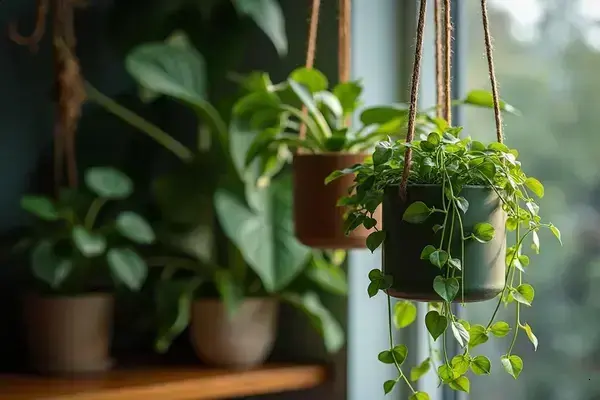
- Vary Heights and Textures: Mix tall leafy greens with trailing vines like English ivy on floating shelves or macramé hangers for layers and movement. Contrasting pot shapes (cylinder, round, or geometric) add visual energy.
- Group in Odd Numbers: Clusters of three or five pots (never even!) look naturally styled. Use a mix of big and small, like a peace lily with baby spider plants and a tiny succulent.
- Use Stylish Containers: Ceramic planters in matte earth tones, minimalist terracotta, or woven baskets all blend with modern or rustic decor. Just check each container’s drainage holes first.
- Play With Placement: Place plants where they benefit you most. A peace lily on a nightstand for bedtime oxygen, spider plant by the window to catch light, ivy trailing from a dresser.
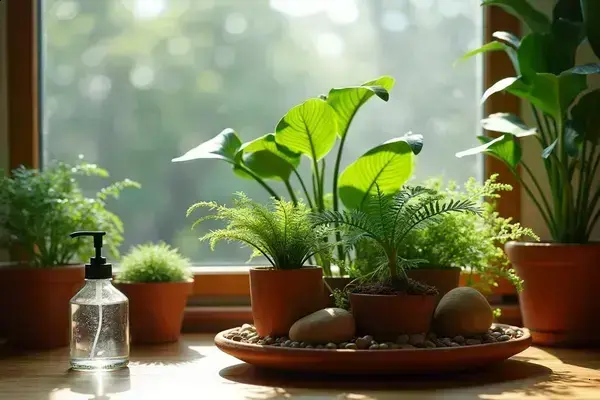
💡 Pro Tip: According to The Royal Horticultural Society, grouping plants on a tray or plant bench makes care—watering, misting, and wiping leaves—way quicker, saving you time and avoiding mess on carpets or wood floors.
In practice: Picture this scenario—your room’s white walls felt barren, and you struggled with poor air at night. You introduce a snake plant by the headboard and a set of mismatched ceramic pots on the dresser, each with a different purifier plant. It looks like a designed urban jungle, not chaos—and breathing feels easier every morning.
The right habits in place now make everything easier from here.
Your Bedroom’s Air Just Got Greener
Here’s what really counts: the right plants make a real difference, caring for them doesn’t have to be hard, and avoiding a few common mistakes helps them do their best work for you. If you take just one thing from this guide, let it be: a carefully chosen and well-cared-for plants that purify air bedroom setup will boost your sleep, your mood, and the air you breathe.
Maybe your bedroom started out feeling stuffy and lifeless. Now you’ve got the know-how to turn it into a space that’s not only stylish, but actually healthier. Clean air, refreshed energy, fewer worries—you’re totally in control of how your oasis grows.
What’s the first plant you’re excited to add to your bedroom? Or do you already have a purifying favorite? Tell us in the comments—your green tip could inspire someone else!

Ryan James Mitchell is a passionate gardener and plant care enthusiast dedicated to helping everyday people grow food, keep their plants thriving, and connect with nature — one garden at a time. With years of hands-on experience in vegetable gardening, indoor plant care, and seasonal garden planning, Ryan built 3sols to be the practical, honest gardening resource he always wished existed.