Ever wondered why some houseplants seem to shrug off gloomy corners while others sulk at the first sign of shadow? It’s not just luck—and honestly, most people underestimate how dramatic lighting differences can be at home.
We’ve all been there: you fall in love with a gorgeous plant, bring it home, and watch it slowly lose its spark. It’s frustrating when leaves yellow, growth slows to a crawl, or a promising windowsill jungle starts looking more like a graveyard. Choosing the right green roommate for each spot can feel overwhelming.
By the end, you’ll know exactly which best plants for low light indoors really thrive away from bright sun, and how to keep their foliage lush even in those tricky spaces. Ready to see which plants can make any room feel like a living, breathing retreat?
How Low Light Affects Indoor Plants
Have you ever wondered why some plants sulk the moment the days get shorter or why they seem to give up in that back corner of your living room? It’s not just about sun exposure—it’s how low light disrupts nearly every aspect of their growth.
Here’s the thing: light isn’t just about helping leaves look vibrant. For indoor plants, it fuels a process called photosynthesis, which is basically how they eat. Inadequate light slows this process, leading to lanky stems, pale leaves, and even stunted growth. The American Society for Horticultural Science points out that light intensity and quality can directly impact a plant’s ability to thrive indoors—especially in rooms with north-facing windows or minimal daylight.
💡 Pro Tip: If a plant’s new leaves are half the size of older ones, or growth has slowed way down, it’s likely not getting enough usable light—even if the room seems bright to you.
What Exactly Happens to Plants in Low Light?
- Slowed Growth: The plant prioritizes survival, stretching toward any available light source and growing slowly.
- Leaf Drop: Some species will sacrifice older leaves to save energy, making the plant look sparse.
- Pale or Yellowing Leaves: Lack of chlorophyll results in dull, faded colors and patchy yellow spots.
- Weaker Roots: Less energy means fewer resources for strong root development.
Picture this scenario: You place a stunning Peace Lily in your bathroom, thinking the soft glow from a frosted window is enough. A few weeks later, those elegant white blooms disappear, and the dark leaves turn almost translucent. It’s a classic sign of chronic low light stress—and a cue that your plant needs a new spot, or maybe even supplemental lighting.
| Symptom | What It Means | Short-Term Fix |
|---|---|---|
| Leggy growth, long spaces between leaves | Plant stretching for more light | Move closer to a window or add a grow light |
| Yellowing leaves, leaf drop | Not enough energy to sustain all leaves | Prune dying leaves and reduce watering |
| Small, pale new leaves | Insufficient photosynthesis | Rotate plant weekly for even exposure |
Research from the Royal Horticultural Society confirms: most houseplants, even shade-tolerant ones, need at least a few hours of indirect light daily for optimum health. Too little, and you’ll struggle no matter how careful you are with water or fertilizer.
But there’s one detail most owners completely overlook until it’s too late…
Top Plant Varieties Thriving In Dim Rooms
When you hear “low light,” you might picture a gloomy corner doomed to droopy leaves — but that’s only true if you pick the wrong plants. The smartest indoor gardeners reach for plant varieties professionally classified as “shade-tolerant,” a term defined by the Royal Horticultural Society as species thriving with less than 5 hours of indirect sun per day. Not all houseplants are created equal!
Ready to choose? Here’s a look at standout performers and their unique traits, pros, and cons — all distilled into a comparison table for fast reference:
| Plant | Key Features | Drawbacks |
|---|---|---|
| Sansevieria (Snake Plant) | Tolerates neglect, air-purifying, upright shape | Can rot if overwatered |
| Zamioculcas zamiifolia (ZZ Plant) | Glossy dark green leaves, drought tolerant | Toxic if ingested by pets |
| Spathiphyllum (Peace Lily) | Produces striking white blooms, easy | Needs consistent moisture for blooms |
| Aglaonema (Chinese Evergreen) | Variegated foliage, thrives in offices | Prone to root rot in soggy soil |
| Asplenium nidus (Bird’s Nest Fern) | Elegant rippled fronds, humid-loving | Brown tips if air is too dry |
💡 Pro Tip: For truly dim spaces (think: hallways or rooms with only artificial light), pairing Snake Plant or ZZ Plant with a simple LED grow bulb can produce lush results most people don’t expect. NASA’s Clean Air Study even highlighted these species for their air-filtering abilities in office settings.
- Snake Plant (Sansevieria): Resilient, virtually impossible to kill, forgiving if you forget a watering (or three). Upright structure makes it ideal for floor placement in tight areas.
- ZZ Plant (Zamioculcas): Shiny, waxy leaves reflect light beautifully. Low-water needs — but be cautious if you have curious pets, as all parts are mildly toxic if eaten.
- Peace Lily (Spathiphyllum): Foliage remains deep green even in shadowy corners. Produces bright white spathes in moderate light, bringing elegance to dull spaces.
- Chinese Evergreen (Aglaonema): Its patterned leaves brighten small desktops. Grows slowly, making it low maintenance for busy households.
- Bird’s Nest Fern (Asplenium): Soft, slightly tropical look, thriving as long as there’s enough humidity.
In practice: a home office with one small window might feel like a death sentence for greenery. Place a ZZ Plant on your bookshelf — six months later, you’ll see the same glossy vigor without any limp stems. That’s the magic of choosing plants bred for shade.
What actually works might surprise you…
Mistakes To Avoid With Low-Light Plants
So, you’ve chosen plants that love shade—great. But why do so many low-light enthusiasts still struggle to keep their greenery looking vibrant? The truth is, it’s often a handful of simple but costly mistakes sabotaging your success from the start.
Ever found yourself watering more because you think less light means more thirst? Or maybe you worry over every yellowing leaf, missing what it’s really trying to tell you? Here’s a step-by-step plan to help you dodge the top pitfalls and keep those shade dwellers happy:
- Don’t Overwater: Low light slows growth and evaporation. Check soil moisture weekly—roots need to dry out a bit between drinks.
- Avoid Frequent Relocation: Constantly moving plants between rooms stresses them out. Pick a spot with steady indirect light and stick with it.
- Skip the Heavy Fertilizer: Less light = less need for food. A diluted, balanced liquid fertilizer once every 2–3 months suffices.
- Don’t Ignore Dust: Dusty leaves can block what little light is available. Wipe gently with a damp cloth to keep photosynthesis humming.
- Watch for Signs of Stretching: If stems are stretching or leaves seem sparse, your plant might be reaching for more light than it gets—rotate weekly or shift nearer to a diffused window.
⚠️ Important Warning: Avoid using general-purpose grow lights without checking their light output (measured in lumens or PAR). According to the University of Florida IFAS Extension, too powerful or poorly timed artificial light can not only stress plants, but also disrupt their dormant cycles entirely.
- In practice: Picture this scenario: You buy a peace lily for your bathroom. You water it twice a week, give it extra plant food, and hope the weak sun through frosted glass is enough. Leaves droop, tips brown, blooms vanish. What went wrong? Overwatering, fertilizer stress, and not enough true light—it’s a classic trifecta.
And this is exactly where most people make the most common mistake…
Simple Care Tips For Healthy Greenery
Wondering why some people’s low-light plants look lush and full while yours seem to only hang on? It’s rarely luck. The difference is usually a handful of simple routines that give plants the best chance to thrive, even in dim corners. Good news: you don’t need a green thumb to get it right—just a smart approach.
Let’s lay out a quick checklist. Building a good care routine for low-light plants isn’t about fuss, but about consistency and observation. The Chicago Botanic Garden recommends a streamlined approach for beginners and busy households alike.
- Check soil before watering: Use your finger or a moisture meter—most low-light plants prefer the top inch of soil to dry before their next drink.
- Rotate regularly: Every two weeks, give your plant a quarter turn so all sides can soak up what little light there is. This keeps growth balanced and prevents leaning.
- Wipe down leaves: Low light means every bit of photosynthesis counts. Dust can block this, so give leaves a gentle wipe with a damp microfiber cloth once a month.
- Feed sparingly: Too much fertilizer can burn roots and waste money. Most low-light plants do best with half-strength liquid fertilizer every three months.
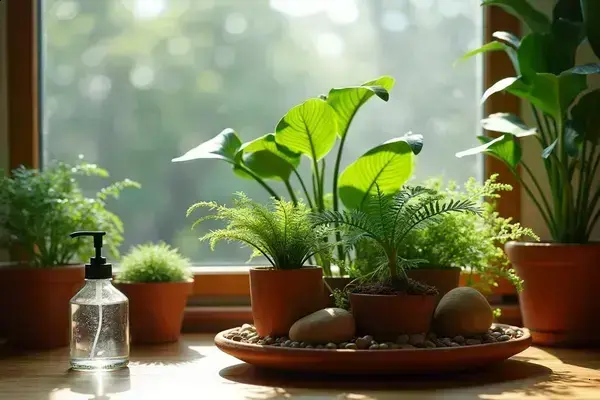
- Group for humidity: Place several plants together or on a pebble tray with water to boost air moisture—a trick that works wonders for ferns and peace lilies.
💡 Pro Tip: Invest in a basic LED grow bulb (aim for 800–1200 lumens). The University of Minnesota Extension notes that strategic use in winter or in windowless rooms can dramatically improve plant vigor without extra climate control.
In practice: You put a ZZ Plant on a dark bookshelf. Using a $10 timer, you run a small LED light for six hours daily. With just that tweak—instead of waterings twice a week and random feeding—you keep glossy, robust foliage for months with virtually zero hassle.
- Key supplies for hassle-free care:
- Moisture meter (or clean finger!)
- Microfiber cloth
- Balanced, diluted fertilizer
- LED grow light (optional)
- Pebble tray for humidity (optional)
But there’s one detail most owners completely overlook until it’s too late…
Creative Ways To Style Plants Indoors
When you think of indoor plants, do you just imagine basic pots lined up on a windowsill? The truth is, the way you style your green companions can elevate your entire space—making even dim corners feel designed and vibrant. Mixing textures, containers, and heights creates drama without clutter or chaos.
Let’s talk styling that works in real life. Low-light plants like snake plant, ZZ plant, and peace lily don’t need to hide in plain planters. The American Society of Interior Designers suggests using unexpected display tricks to bring out each plant’s personality while enhancing your décor style:
- Vintage vessels: Repurpose ceramic teacups, brass bowls, or woven baskets with hidden liners for a layered, cozy effect.
- Staggered heights: Use stackable wooden crates, books, or plant stands to create visual movement and prevent that “soldier in a row” look.
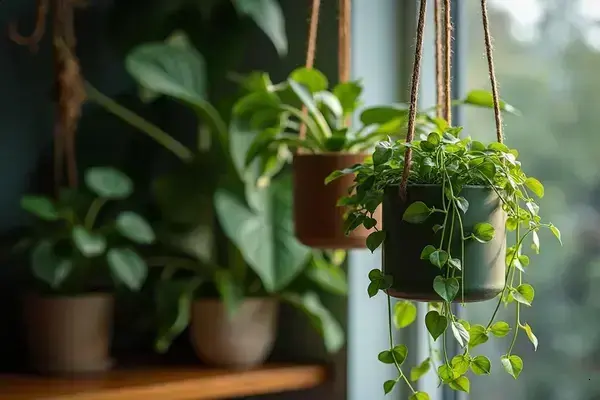
- Gallery walls: Mount trailing varieties like pothos or philodendron in wall pockets to frame art, mirrors, or open shelving.
- Clusters by theme: Combine three plants with different leaf patterns (like a striped snake plant, a silver aglaonema, and a glossy ZZ) in matching but not identical pots.
- Statement centerpiece: Place a large, sculptural fern in the center of your dining or coffee table—it becomes living art, not just background foliage.
💡 Pro Tip: Rotate displays seasonally. For example, group ferns and peace lilies closer to humidifiers in winter, then swap to drought-tolerant snake plants and cacti during drier months. Your space always feels fresh, and care gets easier.
In practice: Picture this scenario—a compact city apartment with only one north window. Instead of resigning to basic shelves, you suspend glass terrariums from the ceiling, use a glossy black stand for a ZZ plant beside your reading nook, and let a snake plant greet guests at the entry. Even on gloomy days, the room feels intentional—like a boutique hotel lobby, not just a place you crash after work.
| Styling Element | Best For | Tips |
|---|---|---|
| Hanging Planters | Trailing plants, small ferns | Opt for adjustable cord lengths, cluster at corners |
| Stacked Shelves | Compact offices, tiny kitchens | Mix upright and trailing plants, vary heights |
| Repurposed Containers | Hallways, powder rooms | Use liners to protect surfaces, match pots to décor accents |
The right habits in place now make everything easier from here.
Your Home Can Be Lush Again
By now, you’ve got the real tools to make any space greener—even without direct sunlight. Remember, matching your best plants for low light indoors to your room is half the battle. If you take just one thing from this guide, let it be: the right plant in the right place changes everything, no matter how dim.
Maybe before, you worried that low light meant no plants at all, or watched leaves turn yellow and gave up. Now, you can see those gloomy corners as blank canvases. You know what works, what doesn’t, and how easy it can be to keep everything thriving. Confidence grows alongside your plants.
How do you plan to style your new greenery, or which plant will you try first? Share your plans—or your best plant story—in the comments below. Let’s swap some inspiration!

Ryan James Mitchell is a passionate gardener and plant care enthusiast dedicated to helping everyday people grow food, keep their plants thriving, and connect with nature — one garden at a time. With years of hands-on experience in vegetable gardening, indoor plant care, and seasonal garden planning, Ryan built 3sols to be the practical, honest gardening resource he always wished existed.