Picture this: you’re standing barefoot on rich earth, plucking a sun-warmed tomato straight from your backyard. No chemicals, no mysterious sprays—just real food grown by you, for you. Tempting, isn’t it?
But here’s the thing: growing your own food organically isn’t always as simple as tossing some seeds in the ground. Those supermarket vegetables can be a reminder of rising costs and questionable origins. It’s frustrating when you want healthy produce but don’t know where to start—especially if you’ve heard stories about gardens overrun by pests or plants that just won’t grow.
By the time you finish this organic gardening guide for beginners, you’ll know exactly how to create a lush, chemical-free garden, nurture strong plants from the soil up, and harvest with confidence. Ready to roll up your sleeves? Let’s dig in—your garden adventure starts now.
Why Choose Organic Gardening For Your Home
There’s a reason more and more people are ditching chemicals and going organic in their own backyards — and it isn’t just about flavor. When you choose organic gardening, you’re making a choice that impacts your health, your family’s well-being, and even your neighborhood ecosystem. Sounds like a lot? It is — but in the best possible way.
💡 Pro Tip: According to the Environmental Working Group, certain crops (like strawberries and spinach) are especially vulnerable to absorbing chemical residues. Growing these at home, organically, offers a true clean-food advantage over supermarket options.
So, what exactly sets organic gardening apart from conventional approaches loaded with pesticides and synthetic fertilizers? First, it’s about trust. You know every seed, amendment, and method that touches your soil. There’s complete transparency about what’s nourishing your food — no second-guessing ingredient lists or worrying about invisible toxins lingering on your produce.
| Benefit | Organic Approach | Conventional Approach |
|---|---|---|
| Human Health | No chemical pesticides; reduced risk of residue intake | Possible pesticide residues; health risk over time |
| Soil Quality | Builds long-term fertility using compost, cover crops | Soil degraded by salt build-up, chemical leaching |
| Wildlife & Bees | Safe for pollinators and local fauna | Pesticide drift can harm non-target species |
Picture this scenario: you bite into a freshly picked, sun-ripened cucumber. Its taste is pure — no chemical aftertaste, just the satisfaction of food you grew yourself. Plus, your garden buzzes with bees and birds, thriving alongside your veggies. That’s everyday life for organic growers.
The truth is, the initial time investment pays off with resilient soil, better crops, and peace of mind. The Rodale Institute — pioneers in organic agriculture — shares decades of research proving that organic systems yield competitive harvests year after year, while protecting people and the planet.
And honestly? Once you harvest your first truly clean salad, you’ll wonder why you ever accepted anything else.
But there’s one detail most owners completely overlook until it’s too late…
Building Healthy Soil Without Synthetic Fertilizers
Ever wonder why some gardens overflow with lush, thriving plants while others seem stuck in neutral — even when you water and weed religiously? The secret isn’t just sunlight or seed quality. It’s the soil. Building healthy, living soil without synthetic fertilizers is at the core of organic gardening. But how exactly do you turn lifeless dirt into a powerhouse for your plants?
- Compost: Rich in organic matter, compost is the foundation of healthy soil. It improves texture, boosts beneficial microbes, and acts as a natural slow-release fertilizer.
- Cover Crops: Varieties like clover or vetch add nutrients, prevent erosion, and help break up compacted soil when tilled under.
- Natural Amendments: Things like worm castings, aged manure, bone meal, and rock phosphate nurture your soil without the risks linked to chemical fertilizers.
💡 Pro Tip: According to the Soil Health Institute, a single tablespoon of healthy garden soil can contain billions of beneficial microbes. Feed them with compost and mulch regularly to supercharge nutrient cycling naturally.
- Test Your Soil for pH and nutrient levels. Local extension services usually offer affordable tests.
- Add Compost Generously — at least an inch every spring and fall, mixed into the top few inches.
- Plant Cover Crops after your main harvest, especially in fall. They’ll replenish nitrogen and organic matter.
- Layer Organic Mulch (like straw or wood chips) around plants to retain moisture, suppress weeds, and slowly add nutrients as it breaks down.
- Rotate Crops each season. This balances nutrient use, discourages disease buildup, and improves yields.
Picture this scenario: after a summer garden full of tomatoes, beans, and squash, you sow a mix of crimson clover and oats in September. By spring, you turn the cover crop under — the soil crumbles in your hands, is rich with earthworms, and your next planting takes off faster than ever before.
| Method | Key Benefit | Commercial Alternative |
|---|---|---|
| Compost | Increases organic content, supports soil life | Synthetic N-P-K fertilizer |
| Cover Crops | Natural nitrogen fixation, erosion control | Chemical soil conditioners |
| Mulching | Moisture retention, weed suppression | Plastic weed barriers |
The truth is, gently nurturing your soil year after year leads to fewer pests, less watering, and bigger harvests. And this is exactly where most people make the most common mistake…
Easy Steps To Start Your Organic Garden From Scratch
Getting started on your first organic garden can feel overwhelming—but you’ll be amazed how much simpler (and more fun!) it is once you break it down into practical steps. The truth is, you don’t need a huge backyard or fancy tools. What you really need? A clear process and a little patience.
- Must-have items:
- Quality seeds or seedlings (organic if possible)
- Compost and natural mulch
- Hand trowel and small rake
- Watering can with gentle rose
- Sunlit spot with at least 6 hours of direct light
💡 Pro Tip: Start with a small garden bed—4 feet by 8 feet is more manageable than a massive plot, and you’ll be able to control weeds and maintain healthy soil more easily. The National Gardening Association recommends choosing simple crops like lettuce, radish, or bush beans for beginners.
- Pick Your Spot: Find a location with plenty of sun and good drainage. Avoid areas under large trees or too close to your house foundation.
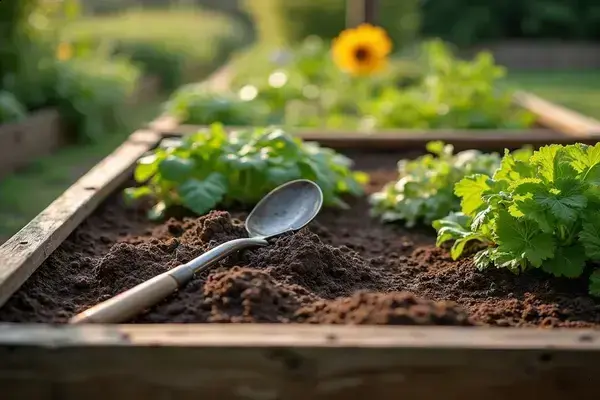
- Plan Your Bed: Sketch your plot. Raised beds or simple in-ground patches work well. Mark out your space with string or wooden boards.
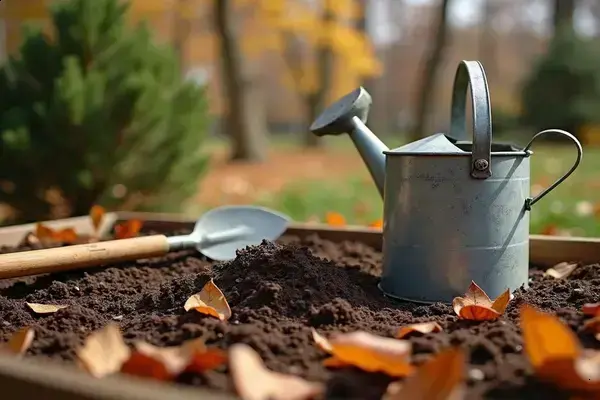
- Prepare the Soil: Remove grass or weeds. Loosen the earth to at least 8 inches deep and mix in plenty of compost.
- Choose Plants: Select easy, fast-growing vegetables or herbs that thrive in your climate. Always check your USDA Hardiness Zone for guidance.
- Plant and Mulch: Sow seeds or plant seedlings at the recommended depth and spacing. Cover bare soil with organic mulch to retain moisture and suppress weeds.
- Water Wisely: Water deeply, aiming for the base of the plants in the morning. Avoid overwatering—roots need both water and air.
- Observe and Adjust: Watch your plants daily. Check for signs of pests, nutrient gaps, or overcrowding, and tweak as needed.
In practice: Imagine planting a single raised bed in spring—tomato seedlings on one end, a row of bush beans down the middle, and leafy greens filling the rest. After the first month, you’ll notice the soil stays moist, weeds barely pop up, and you’ve already picked your own salad greens for dinner.
What actually works might surprise you…
How To Naturally Prevent Pests And Diseases In Your Garden
Nothing derails a promising organic garden faster than pests and plant diseases sneaking in just as your veggies start to thrive. So what actually works for keeping your crops healthy—without resorting to harsh chemicals? It turns out that prevention, not remediation, is the real game-changer in organic gardening.
- Encourage Beneficial Insects: Ladybugs, lacewings, and predatory beetles hunt common pests like aphids and scale. You can attract them by planting dill, fennel, or alyssum nearby.
- Crop Rotation: Don’t plant the same family in the same spot each year. This breaks pest and disease cycles and keeps soil microbe populations balance.
- Physical Barriers: Floating row covers, fine mesh, or collars around seedlings help exclude insects like flea beetles or cabbage worms—especially in spring when seedlings are vulnerable.
💡 Pro Tip: The University of California’s Statewide IPM Program recommends inspecting your plants at least twice a week, checking under leaves and at soil level, to catch pest problems early before they spread.
- Water Early and Evenly: Damp leaves at night invite fungal issues. Always aim water at the soil, not the foliage.
- Remove Infected Plants Quickly: One sick tomato plant can ruin your entire patch if you let it linger—pull diseased specimens immediately, and never compost them.
- Choose Resistant Varieties: Pick seeds labeled as ‘disease resistant.’ Terms like VFN (Verticillium, Fusarium, Nematodes) are a real help.
- Practice Proper Spacing: Overcrowding creates a cozy haven for pests and limits airflow, setting up diseases for success.
- Mulch Generously: Straw and shredded leaves help keep soil-borne pathogens from splashing onto lower leaves during rain or watering.
Picture this scenario: on a cool spring morning, you spot a cluster of aphids on your kale. Instead of panicking, you release a handful of ladybugs. Within days, the infestation is gone—no sprays, no anxiety. Your garden stays alive and buzzing, full of natural checks and balances.
| Pest/Disease | Natural Preventers | Commercial Organic Solutions |
|---|---|---|
| Aphids | Ladybugs, neem oil spray | Safer Brand Insect Killing Soap |
| Powdery Mildew | Proper spacing, water early | Serenade Garden Disease Control |
| Cutworms | Cardboard collars, till soil pre-planting | Bacillus thuringiensis (Bt) |
And this is exactly where most people make the most common mistake…
Harvesting And Enjoying Food Grown The Organic Way
After all the sweat, patience, and coffee-fueled early mornings, nothing beats the thrill of harvest day in an organic garden. But how do you make sure you’re picking at peak ripeness—and what sets organic-cultivated produce apart when it lands on your plate?
- Know When to Harvest: Seeds packets or plant tags offer a rough timeline, but trust your senses: color, feel, and smell matter more than any date on a calendar.
- Harvest Early in the Day: Mornings mean crisp, hydrated greens and veggies before heat zaps their flavor and texture.
- Use Clean, Sharp Tools: Dull blades can damage plants. Rinse tools regularly to prevent spreading disease in your garden beds.
- Handle Gently: Organic fruits and veggies bruise easily since they haven’t been treated with waxes or hardening chemicals. Carry a basket or lined tray—never stuff a bag.
- Store Like a Pro: Remove tops (like carrot greens), let tomatoes stay at room temperature, and refrigerate only what truly needs cold (think leafy greens or broccoli).
💡 Pro Tip: According to the Organic Trade Association, freshly picked organic produce retains more antioxidants and micronutrients if washed just before eating—not before storing.
Picture this scenario: It’s a sunny evening and you stroll out to your garden, basket in hand. You gently twist ripe tomatoes from the vine, snap off a handful of basil, and unearth a row of crunchy baby carrots. Back in the kitchen, you rinse everything, slice, and taste—flavors are bright, sweet, honestly better than anything you’ve bought. The garden-to-table moment? Pure satisfaction.
| Produce | Peak Harvest Sign | Best Storage Tip |
|---|---|---|
| Tomatoes | Full, deep color—gives slightly to touch | Store stem side down at room temp |
| Lettuce | Crisp leaves, firm center | Wrap in a damp towel in fridge |
| Carrots | Bright orange, easily pulled from soil | Remove tops, refrigerate in sealed bag |
The right habits in place now make everything easier from here.
Your Organic Garden Starts Here
If you take just one thing from this organic gardening guide for beginners, let it be: healthy soil is your foundation—invest in it, and everything else gets easier. Building good soil, choosing safe natural methods, and harvesting with care are what make organic gardening both rewarding and manageable for anyone.
Maybe before, growing organic food felt intimidating or out of reach. Now, you know every step—from prepping rich compost to keeping pests at bay and finally enjoying your own crisp, clean harvests. The knowledge is in your hands. A little patience and daily attention are all it takes to grow real, healthy food right at home.
What’s your biggest dream for your future organic garden—lush tomatoes, vibrant greens, or maybe something totally unexpected? Share your plans (and any questions!) in the comments. We can’t wait to hear what you’ll grow next. 🥕🌱

Ryan James Mitchell is a passionate gardener and plant care enthusiast dedicated to helping everyday people grow food, keep their plants thriving, and connect with nature — one garden at a time. With years of hands-on experience in vegetable gardening, indoor plant care, and seasonal garden planning, Ryan built 3sols to be the practical, honest gardening resource he always wished existed.