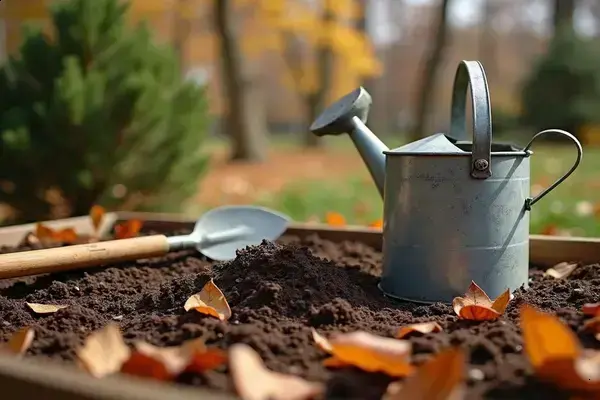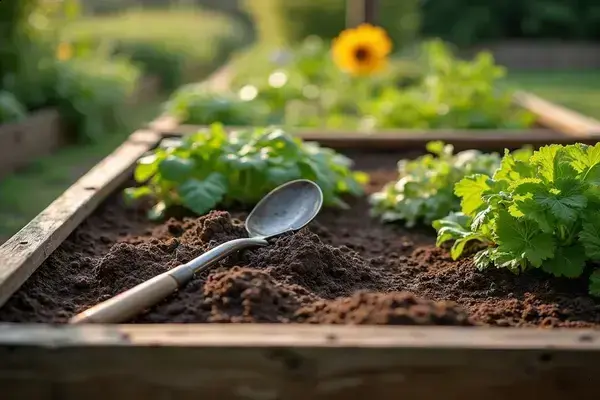
Picture this: you dig your spade into what should be rich garden soil, but instead you hit a heavy, sticky mass that clings to your boots and refuses to drain. That’s the classic clay soil struggle — and you’re definitely not the only one cursing your backyard after a rain.
Too much clay in your soil means more than just muddy hands. It stunts your plants, suffocates seedlings, and leaves you stuck watching water pool on the surface instead of nourishing roots. The real kicker? Those bags of fertilizer or compost alone won’t cut it — you need a smarter fix.
By the time you finish this guide, you’ll truly understand how to improve clay soil, know which amendments get real results, and be ready to unlock the kind of garden that doesn’t let heavy soil stand in its way. Let’s dig into the first big why behind clay soil headaches…
Understanding Why Clay Soil Is So Tough
Ever tried planting tomatoes or peonies and wondered why your soil behaves more like brick than earth? Heavy clay soil has its own secret life — and the frustration it brings is real. It all starts with the size and shape of its particles: clay soil contains microscopic minerals that lock together so tightly, water and air can barely squeeze through.
The result? Soggy puddles after rain, but parched cracks during a drought. Roots struggle for oxygen, and beneficial microbes can’t thrive the way they do in loam or sandy soil. According to the United States Department of Agriculture (USDA), clay particles are smaller than 0.002 millimeters — nearly invisible to the eye, yet strong enough to impact your entire garden’s fate.
The Science Behind the Stickiness
Why does clay act so stubborn? Its tiny mineral sheets are what give it that sticky, heavy feeling — and that classic ‘clay clod’ when you squeeze a handful. Nutrients can get trapped, but plants can’t access them when roots can’t spread out. It’s almost like nature’s own lockbox, for better or for worse.
- Poor Drainage: Water drains slowly and often pools on the surface.
- Soil Compaction: Frequent walking or tilling compresses air spaces, making conditions even worse.
- High Nutrient Holding: Clay can store nutrients, but only if roots can reach them.
💡 Pro Tip: Try a simple squeeze test: grab a moist handful of your soil and press it. If it forms a firm ribbon that bends without breaking, you’ve got classic clay — confirmed by The Royal Horticultural Society as the go-to test worldwide.
Picture this scenario: after a summer rain, you see your neighbor’s beds draining away while yours look like a muddy swamp. You try to dig, your shovel sticks, and roots seem to shrink back. That’s exactly how clay’s density plays out in the real world.
| Soil Texture | Drainage | Root Growth |
|---|---|---|
| Clay | Poor | Restricted |
| Loam | Good | Vigorous |
| Sand | Excellent | Unrestricted |
But there’s one detail most owners completely overlook until it’s too late…
Telltale Signs Your Soil Needs Help
How can you tell if your clay soil is waving a white flag for help — without waiting until your plants look downright miserable? The warning signs are there long before disaster strikes, if you know where to look. Some are as clear as surface water stubbornly refusing to soak in, while others take a trained eye to spot.
Yellowing leaves, stunted growth, wilting even after recent rain — they’re all classic signals. But what about when your plants keep collapsing at the first sign of summer heat? Or when your shovel bounces back instead of slicing smoothly into the earth?
- Persistent Surface Water: Instead of soaking in, puddles remain after rainfall or watering.
- Cracked Earth: Deep fissures appear during dry spells, signaling poor structure and compaction.
- Poor Crop Yields: Edibles grow small or not at all, despite fertilizing according to guidelines.
- Stubborn Weeds: Only the toughest (like plantain or dandelion) seem to thrive, crowding out your intended garden.
⚠️ Important Warning: Chronically waterlogged or too-hard soil can harbor root rot and fungal diseases — the Royal Horticultural Society warns this can make some crops impossible unless you address the core issue.
In practice: imagine stepping out after a spring storm, only to find your vegetable patch holding water for hours. You poke at the soil and realize it’s cold, sticky, and molds to your boot — not exactly an ideal home for roots. If your plants are giving up before they even get started, that’s your soil sending an SOS.
| Symptom | What’s Really Happening | Garden Impact |
|---|---|---|
| Puddling | Poor infiltration, water can’t drain | Roots suffocate, diseases spread |
| Cracks | Shrinking as clay dries out | Roots exposed, structure worsens |
| Stunted Plants | Roots can’t penetrate soil | Reduced harvest, weak plants |
And this is exactly where most people make the most common mistake…
Amendments That Actually Transform Clay
What if you could flip a switch and make your stubborn clay soil finally support vibrant, thriving plants? The key is choosing soil amendments that do more than just sit on the surface. The right mix can transform dense, unworkable ground into something crumbly, aerated, and resilient.
Several amendments stand out, each with its unique way of improving structure or boosting drainage. The science matters here—organic matter breaks up clay particles, gypsum alters the chemistry, and products like expanded shale or perlite literally create air spaces.
- Compost: Adds organic matter, increases microbial life, and improves structure and drainage.
- Gypsum: Supplies calcium without affecting pH, flocculates (clumps) clay for better water flow—as recommended by the USDA Natural Resources Conservation Service.
- Pine Bark Fines: Improve aeration and water movement over time.
- Expanded Shale or Perlite: Inorganic, lightweight materials that physically separate clay particles.
💡 Pro Tip: Layer amendments 2-4 inches deep and mix thoroughly into the top 8-12 inches of soil. The University of California advises repeating this for best effect over several years—not just once.
In practice: picture this scenario—a backyard where water once pooled all summer. After adding a deep layer of compost and gypsum, tilling both into the topsoil, the next heavy rain actually soaks in. Your boots come away clean, your plants finally root deep, and you realize you don’t dread watering day anymore.
| Amendment | Main Benefit | Best For |
|---|---|---|
| Compost | Improves texture & water holding | All gardens, ongoing maintenance |
| Gypsum | Breaks up clay without raising pH | Clay with sodicity or high compaction |
| Perlite | Adds air spaces, speeds drainage | Quick fixes in small areas |
What actually works might surprise you…
Step-By-Step Process To Fix Clay Soil
Ever wonder why clay soil can feel so stubborn—like it’s fighting you every step of the way? There’s a good reason for that. Fixing it requires more than a quick sprinkle of compost or a one-time till. The process isn’t complicated, but it does take some patience (and a little bit of muscle).
- Compost (well-rotted, not fresh)
- Gypsum (if your extension service recommends it)
- Coarse sand or perlite (NOT fine beach sand)
- Leaf mold or pine bark fines
- Sturdy garden fork or rototiller
- Mulch for topdressing
- Test the Soil Moisture: Wait until soil is moist but not waterlogged or hard as stone. Dry or oversaturated clay won’t mix properly.
- Loosen the Ground: Use a garden fork or rototiller to break up the top 8–12 inches. Don’t rush—deep loosening makes a big difference.
- Spread Amendments: Layer 2–3 inches of compost and (if needed) 1 inch of gypsum evenly across the area. Add up to 2 inches of pine bark or leaf mold for extra structure.
- Mix Thoroughly: Work amendments deep into the soil, blending them with clay—don’t just skim the surface. This takes time, but ensures real change.
- Water Deeply and Mulch: Once mixed, soak the area thoroughly and cover with mulch. This protects your progress and cuts down on erosion or compaction from rain.
💡 Pro Tip: Per the Colorado State University Extension, improving clay is a multi-year process. Repeat the amendment steps annually for ongoing results—and avoid regular foot traffic, which compacts soil fast.
In practice: imagine starting the season with hard, sticky ground. After amending, you find earthworms returning, roots diving deeper, and water no longer sitting on the surface for hours. That’s the magic you’ll notice after even the first round.
But there’s one detail most owners completely overlook until it’s too late…
Mistakes To Avoid When Amending Clay
Think amending clay is all about dumping sand or tossing in any compost you find? The reality: small missteps now can set you back a whole season or more. Some mistakes are surprisingly common, and they’re the reason many gardens hit a frustrating wall—especially when quick fixes or cheap bagged amendments promise miracle results.
- Adding Fine Sand: Heard the advice to add sand? Fine sand (especially in large amounts) can cement with clay and make things even harder, literally creating a brick-like soil.
- Using Low-Quality or Unfinished Compost: Unfinished compost steals nitrogen and stunts growth. Always use dark, crumbly, fully decomposed compost for best results.
- Tilling When Wet: Dig or till clay soil when it’s wet, and you’ll destroy soil structure—leading to dense, unworkable clods that take months to break down.
- Ignoring Soil Testing: Skipping a soil test (offered through your local Cooperative Extension) means flying blind on pH, salt content, and what nutrients are actually missing.
- Amending Only Surface Soil: Mixing in amendments just on top won’t help deep roots. The whole top 6–12 inches needs to change.
⚠️ Important Warning: The USDA Natural Resources Conservation Service underscores how improper sand or manure application turns clay into a nearly dead zone for plants. Always check official guidelines before adding anything unusual or in bulk.
Picture this scenario: a neighbor hauls out orange playsand from the hardware store, blending it into his sticky clay patch with a shovel. The following spring, every trowel is met with a cement-like slab, and his tomatoes stall out. Down the street, a gardener who uses high-quality compost, checks her soil test, and works amendments deep sees her hydrangeas bloom—while everyone else wonders why their quick fixes flopped.
Quick Guide: Common Mistakes vs. Best Practice
| Common Mistake | Why It Fails | What To Do Instead |
|---|---|---|
| Fine Sand Only | Cements with clay | Use coarse amendments & mix deep |
| Unfinished Compost | Steals nutrients from plants | Use well-rotted, dark compost |
| Tilling Wet Soil | Destroys soil structure | Amend when soil is just moist |
The right habits in place now make everything easier from here.
Your Garden Soil Can Change
If you take just one thing from this guide, let it be: you really can improve clay soil with smart amendments and a bit of patience. Remember, spotting warning signs early, using quality materials, and mixing them deep makes all the difference. How to improve clay soil isn’t just theory—it works in real life.
Before, your backyard might have felt like a muddy mess or a patch of concrete after rain. Now you’ve got tools, steps, and plenty of pro tips that turn hard work into healthy roots, thriving plants, and soil you can finally dig with pride. Every bed is different, but progress is just a season away. Stick with it—results follow.
What’s your biggest clay soil struggle or success story? Share your wins—or tough spots—in the comments. Let’s help each other grow!

Ryan James Mitchell is a passionate gardener and plant care enthusiast dedicated to helping everyday people grow food, keep their plants thriving, and connect with nature — one garden at a time. With years of hands-on experience in vegetable gardening, indoor plant care, and seasonal garden planning, Ryan built 3sols to be the practical, honest gardening resource he always wished existed.