Your curious Labrador just discovered a lush green leaf on the coffee table—and you instantly freeze, wondering if it’s harmless or a trip to the vet waiting to happen. Plant-lovers who share their home with furry friends walk a fine line: finding beauty for your space without risking your pets’ safety isn’t always easy.
I’ve seen too many pet parents go through needless panic because a well-meaning gift or an impulse buy turns out to be toxic. Anxiety climbs with every new plant added (I get it—no one wants to choose between their monsteras and their pup). Pet safe houseplants don’t have to be a guessing game, but misinformation and confusion make it feel that way.
By the time you reach the end of this guide, you’ll know exactly which indoor plants are safe for dogs and cats—and which ones are off-limits. This pet safe plants guide dogs cats is your no-nonsense, practical resource to bringing calm (and greenery) into your space. Ready to create a beautiful, worry-free home? Let’s dive in.
Why Plant Safety Matters For Pets At Home
Ever wonder why some pets seem to get into everything—and why that random nibble on a houseplant sends an otherwise healthy dog or cat straight to the vet? The truth is, not all greenery is safe for curious companions. Choosing the right indoor plants for homes with pets isn’t just about aesthetics—it’s about their health and your peace of mind.
Here’s the thing: many popular plants found at garden centers—like lilies, pothos, and philodendrons—can cause vomiting, diarrhea, or far worse in cats and dogs. According to the ASPCA (American Society for the Prevention of Cruelty to Animals), plant toxicity is one of the top causes of emergency calls from pet owners every year. The financial toll? Veterinary visits for toxic exposures can cost hundreds or even thousands of dollars—never mind the emotional stress.
⚠️ Important Warning: Symptoms like drooling, pawing at the mouth, or sudden lethargy after your pet’s spent time near plants require immediate professional attention. Always contact your local veterinarian or the ASPCA Animal Poison Control Center if you suspect poisoning.
In practice: imagine your cat stretches out on a windowsill and takes a bite from a seemingly harmless leaf. Within hours, they’re lethargic and won’t eat. That’s how fast things can go wrong when the plants you pick aren’t pet-safe—something as simple as your décor choice can become a true emergency.
| Risk Level | Common Symptoms | Example Plants |
|---|---|---|
| High | Vomiting, seizures | Lily, Sago Palm |
| Moderate | Drooling, diarrhea | Pothos, Philodendron |
| Low | Mild skin irritation | Aloe Vera (sap), Jade Plant |
The American Veterinary Medical Association emphasizes: pet-proofing your house means evaluating every plant, not just obvious dangers. Why? Dogs and cats don’t always distinguish between a toxic philodendron and a safe parlor palm—curiosity is their job.
What actually works might surprise you…
Top Indoor Plants That Are Safe For Dogs And Cats
What’s the safest bet for plant lovers who refuse to compromise on greenery—or pet wellness? It starts with the right species. There’s a surprising variety of pet-friendly houseplants that add style, purify air, and provide genuine peace of mind for dog and cat owners alike.
Top Pet-Safe Indoor Plants aren’t just cute, they’re backed by science. The ASPCA Pet Poison Control Center regularly updates its non-toxic list, and botanists agree: some species really do offer beauty with zero risk.
- Spider Plant (Chlorophytum comosum): Hardy, adaptable, and famous for air purification. Even playful kittens and pups can nibble without worry.
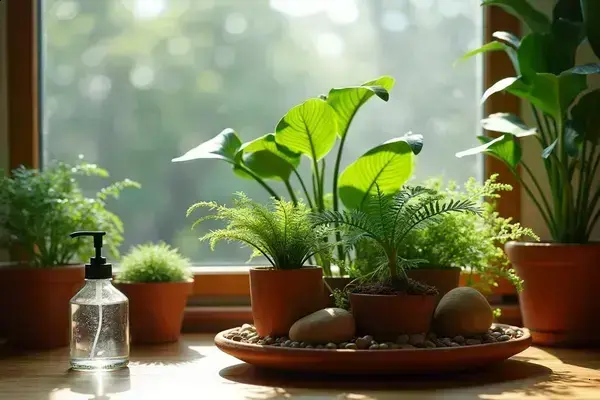
- Boston Fern (Nephrolepis exaltata): Soft fronds, lush appearance, and totally non-toxic. It thrives in humidity—a great choice for bathrooms.
- Bamboo Palm (Chamaedorea seifrizii): A robust, elegant palm that cleans the air and is cat- and dog-safe.
- Areca Palm (Dypsis lutescens): Brightens any room, safe for pets, and forgiving of beginner mistakes.
- Calathea (Calathea species): Vibrant, patterned leaves and zero toxicity. Great for lower light corners.
💡 Pro Tip: Rotate your pet-safe plants between high and low locations to keep curious pets from over-grazing. The American Society for the Prevention of Cruelty to Animals says mixing up placement keeps both greenery and pets healthier in the long run.
Picture this scenario: you’re working late, your dog curls by your feet, and the cat prowls the window ledge. Not once do you worry that a quick nibble on a stray leaf could mean an emergency vet trip—because you’ve picked from trusted, non-toxic options.
| Plant Name | Best Features | Light Needs |
|---|---|---|
| Spider Plant | Fast-growing, air-purifying | Bright, indirect |
| Boston Fern | Humidity loving, lush | Medium, filtered |
| Areca Palm | Easy-care, elegant | Bright, indirect |
If you want even more variety, the ASPCA list covers dozens of safe picks—including Peperomia, Friendship Plant, and African Violet. This means you don’t have to sacrifice style or safety to build a beautiful indoor jungle.
But there’s one detail most owners completely overlook until it’s too late…
Common Toxic Plants To Avoid With Pets
Which green beauties are deceptively dangerous to pets? It’s not always obvious. Plenty of popular houseplants look innocent in the store but can cause real harm — sometimes even with a single nibble. Knowledge is everything when you’re curating a safe, stylish home for your cats and dogs.
- Lilies (Lilium spp.): Just a tiny amount of pollen or leaf can trigger kidney failure in cats. Dogs fare better but can still face vomiting or stomach upset.
- Sago Palm (Cycas revoluta): All parts, especially seeds, are highly toxic. Liver failure is possible — and even fatal — if ingested by dogs or cats.
- Pothos (Epipremnum aureum): Chewing this vine irritates pets’ mouths and throats and may lead to pawing, drooling, or vomiting. Not worth the risk.
- Philodendron: The high calcium oxalate content can create severe oral pain and swelling. In cats, watch for trouble swallowing or loss of appetite.
- Dieffenbachia (Dumb Cane): Immediate mouth and tongue burning, and potential airway swelling, make this a definite no-go for curious pets.
| Plant Name | Toxic Part | Primary Risk |
|---|---|---|
| Lily | Flower, leaf, pollen | Kidney failure (cats) |
| Sago Palm | Seeds, leaves | Liver failure |
| Dieffenbachia | Stem, leaf | Burning, swelling |
⚠️ Important Warning: If you suspect your pet has eaten any part of a toxic plant, call a veterinarian or the ASPCA Animal Poison Control Center right away. Symptoms can escalate quickly and aren’t always obvious at first.
In practice: picture this scenario — your puppy spots a glossy green leaf dropping from the kitchen counter. Before you know it, your pet’s hiding under the table, drooling and restless. Those first signs often appear subtle, but reactions can worsen by the hour.
The AVMA (American Veterinary Medical Association) recommends double-checking all houseplants before bringing them home and keeping a list of high-risk species on your phone for quick reference during plant shopping. And honestly, it pays to be extra critical about unusual varieties — rare or imported plants sometimes haven’t been thoroughly tested for pet safety yet.
And this is exactly where most people make the most common mistake…
How To Introduce New Plants Safely Into Your Space
Ready to add a new plant and wondering how to make sure your furry companions stay safe? It’s more than just plopping a pot on the shelf—you need a plan. Most pet owners discover the importance of gradual plant introduction only after a scare they wish they’d avoided.
- Research the Plant: Check reputable sources like the ASPCA’s plant toxicity list before any purchase. Make absolutely certain your new addition is pet-friendly.
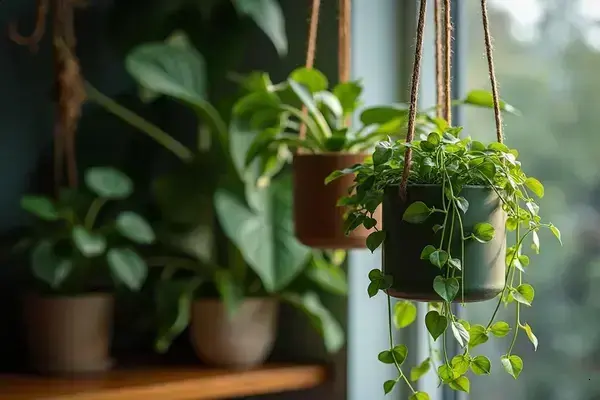
- Pick the Right Spot: Choose a location out of reach but still gets the right light for your species. High shelves, well-anchored plant stands, or hanging baskets work well for determined chewers.
- Wash Leaves and Soil: Gently rinse each leaf and change the top inch of soil. Pesticides or fertilizer residue can harm pets, even if the plant itself is safe.
- Observe Closely: Give your dog or cat plenty of supervised time around the new plant in the first week. Note any curious behavior—sniffing, nibbling, or digging.
- Use Barriers If Needed: If your pet shows excessive interest, place decorative stones, mesh covers, or citrus peels on the soil. Most pets dislike the smell and texture.
- Reward Good Behavior: When your pet ignores the plant, offer a treat or extra affection. Positive reinforcement turns plant-ignoring into a habit fast.
💡 Pro Tip: If you’re moving or majorly redecorating, introduce plants and rearrange their positions a few at a time. According to PetMD, slow transitions minimize stress and reduce the likelihood of pets fixating on new objects.
- Quick Checklist:
- Check plant safety with the ASPCA list
- Choose unreachable placement
- Clean foliage before setting out
- Supervise for at least seven days
- Add barriers for persistent chewers
In practice: a client once introduced three new parlor palms at once. Their spaniel loved them—maybe a bit too much. After swapping positions, introducing the plants one per week, and using a citrus barrier trick, both pets and plants flourished.
But what actually works might surprise you…
Practical Maintenance Tips For Pet-Friendly Plant Care
Keeping your plants looking lush and your pets happy isn’t as complicated as it sounds—but it does require a steady hand and some clever tweaks. A few key habits can make the difference between endless cleanup and a stress-free indoor jungle.
- Water Smart, Not Hard: Use self-watering globes or bottom-watering trays to reduce spills, which not only keeps floors dry but also discourages cats from treating water as a toy.
- Wipe the Leaves: Dust attracts curious sniffers. A gentle wipe with a damp microfiber cloth every week keeps leaves glossy and less tempting to paws and noses.
- Avoid Fertilizer Drama: Choose organic, pet-safe fertilizers and apply only when pets are out of the room. Synthetic formulas can leave chemical residues that linger on leaves and topsoil for weeks.
| Maintenance Task | Pet-Safe Solution | Frequency |
|---|---|---|
| Leaf Cleaning | Damp microfiber cloth | Weekly |
| Soil Refresh | Replace top 1″ with new mix | Every 2-3 months |
| Pest Control | Neem oil (pet-safe) | Monthly or as needed |
💡 Pro Tip: Tuck small river stones or a custom mesh disk over your potting soil. According to the ASPCA, these simple barriers stop bored pets from digging and keep gnats away—two wins in one.
Picture this scenario: a work-from-home owner notices her dog is circling the plant shelf, drawn to something new. Instead of panic, she confidently checks the soil, dusts the leaves, and rotates the pots out of direct reach. Not only does the plant stay gorgeous, but the dog soon loses interest—and the room’s harmony is restored.
Small steps, repeated consistently, make the biggest difference over time.
Your Home Can Be Pet-Safe and Green
If you take just one thing from this pet safe plants guide dogs cats, let it be: choosing the right plants makes home life beautiful and safe for everyone—pets included. You learned how to pick the best pet-safe species, spot hidden toxic threats, introduce plants confidently, and keep everything thriving with practical care.
Maybe before, picking indoor plants felt risky or confusing. Now, you can walk into any nursery or online shop knowing exactly what keeps your space lush—without worry. Smooth routines and a little planning turn chaos into calm. Your dogs and cats relax, and your greenery lasts longer, too.
What are you most excited to do next—try a new pet-safe plant, move your favorite fern, or just relax knowing your collection is truly safe? Share your plans or ask your questions in the comments. We’re here to help you grow!

Ryan James Mitchell is a passionate gardener and plant care enthusiast dedicated to helping everyday people grow food, keep their plants thriving, and connect with nature — one garden at a time. With years of hands-on experience in vegetable gardening, indoor plant care, and seasonal garden planning, Ryan built 3sols to be the practical, honest gardening resource he always wished existed.