Ever stood in the garden, hose in hand, torn between watering again or risking those wilting leaves? It’s a daily puzzle—one that’s easier to get wrong than you might think.
Trust me, overwatering and underwatering aren’t just rookie mistakes—they’re the silent culprits behind faded blooms and stressed roots. The real trouble? If you’ve ever lost a beloved plant, you know the frustration of not knowing exactly what went wrong.
By the end, you’ll have a clear, printable watering schedule garden plants template plus the smarts to adapt it to your plants and local weather. Ready to stop guessing and give your garden its best shot?
Why Watering On A Schedule Changes Everything
If you’ve ever wondered why your garden seems to thrive for a few weeks, then suddenly falters out of nowhere, you’re not alone. Gardeners everywhere—whether new or seasoned—struggle with consistency. But why does sticking to a schedule matter so much when it comes to watering?
The truth is: plants crave reliable routines almost as much as people do. Irregular watering isn’t just a minor mistake—it disrupts root growth, leads to disappointing blooms, and invites all sorts of plant diseases. It’s not about watering more or less; it’s about watering smart and predictably.
💡 Pro Tip: Set an alarm or use a gardening app to remind you on watering days. The University of California Cooperative Extension recommends consistency as the single most important factor for strong, resilient garden plants.
Picture this scenario: You’re excited about your tomato plants—they’re loaded with green fruit. One week of skipping and then overcompensating? You might see splitting skins or bland flavors. That stress is invisible at first, but it quietly sabotages all your hard work.
What Changes When You Water On Schedule?
- Stronger Root Systems: Regular moisture allows roots to grow deep instead of staying near the soil surface.
- Balanced Growth: Predictable hydration means fewer stunted stems and leaves.
- Better Disease Resistance: Fewer extremes mean plants aren’t shocked, lowering the risk from fungi like powdery mildew.
- Healthier Harvests: The produce itself—think crisp greens or juicy berries—suffers less from issues like blossom end rot.
There’s another benefit most people overlook: consistency actually saves water and money by preventing run-off and shallow soaking, both of which can happen with random watering.
| Random Watering | Scheduled Watering | Plant Health Impact |
|---|---|---|
| Inconsistent moisture | Predictable cycles | Stressed vs. robust growth |
| Higher water waste | Efficient use | Root rot risk lowered |
| Increased disease | Stable environment | Fewer outbreaks |
In practice: One gardener set her drip irrigation to run every three days for just 30 minutes—within a month, her veggies stopped wilting, and she halved her water bill. The American Horticultural Society also champions scheduled watering for both sustainability and healthier gardens nationwide.
But there’s one detail most owners completely overlook until it’s too late…
How Much Water Does Each Type Of Plant Really Need?
How do you know if your tomatoes need a good soak or if your cacti are drowning? It’s the question that keeps most gardeners guessing—and sometimes guessing wrong. Here’s the thing: every plant has its own hydration sweet spot, shaped by its origins, root depth, and even leaf type.
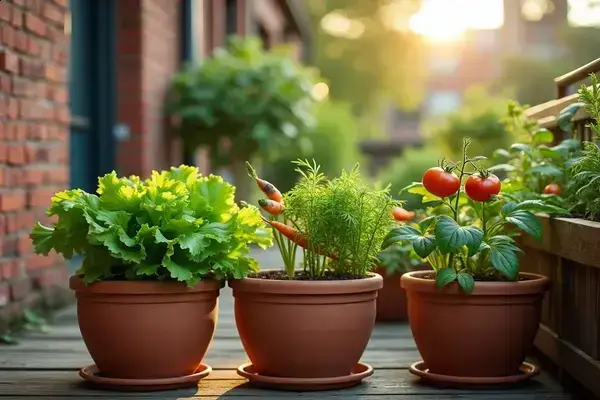
- Shallow-rooted veggies like lettuce and spinach demand frequent, lighter watering.
- Deep-rooted crops such as tomatoes, beans, and squash thrive with deeper, less frequent soaks.
- Herbs (think rosemary, thyme) may prefer drier conditions between drinks to prevent root rot.
- Succulents and cacti (aloe, jade) want you to almost forget they’re there—they need sparse, infrequent water.
Comparing Water Needs at a Glance
| Plant Type | Water Amount | Frequency |
|---|---|---|
| Leafy Greens (Lettuce/Spinach) | 1 inch/week | Every 1-2 days |
| Root Veggies (Carrot/Beet) | 1-1.5 inch/week | Twice a week |
| Tomatoes/Peppers | 2 inches/week | Every 2-3 days |
| Herbs (Basil/Thyme) | 0.5-1 inch/week | When soil dries |
| Succulents/Cacti | 0.25 inch/2 weeks | Every 1-2 weeks |
💡 Pro Tip: Don’t rely on guesswork—use a moisture meter or the finger test (poke the soil up to your second knuckle) for real-time feedback. According to the National Gardening Association, soil moisture consistency matters more than watering volume alone.
In practice: Imagine you give the same water to clay pot basil and raised bed lettuce each morning. The basil droops and yellows, while lettuce flourishes. It’s not your fault—it’s plant biology meets local microclimate. Fine-tuning your approach pays off in fewer pests, healthier roots, and even better flavor.
What actually works might surprise you…
Seasonal Adjustments: Tailoring Your Schedule As Weather Shifts
Ever notice how your watering routine that worked beautifully in May suddenly fails you by August? The reason is simple—plants’ needs shift as the seasons change, and your schedule has to keep up or pay the price in wilting leaves and slow growth.
- Check the forecast weekly. During high heat or rainy spells, adjust your plan so you’re not wasting water or stressing roots.
- Observe your soil. In summer, sun-baked earth dries out—poke a finger or use a moisture meter before you grab the hose.
- Group thirsty plants together. This lets you water efficiently and cut down on over- or under-watering mistakes.
- Reduce frequency in fall and winter. Cooler temps and lower sunlight slow plant growth, so most beds need far less water than you’d think.
- Watch for signs of stress. Brown leaf edges or drooping during heatwaves mean your schedule isn’t adapting enough.
⚠️ Important Warning: Rapid weather changes—especially sudden hot days or unseasonal rain—can wreck your best routine. The Royal Horticultural Society recommends updating your watering plan at least once per month in active growing seasons.
In practice: Picture this scenario—July hits and you keep to your spring rhythm, watering every other morning. Within days, your lettuce soldiers on but your peppers look parched and your cilantro bolts and turns bitter. You add an afternoon session for the peppers and move the cilantro pot to dappled shade—suddenly, everything recovers.
Best Practices By Season
| Season | Adjustments | Key Risks |
|---|---|---|
| Spring | Gradually increase as temps rise | Late frosts |
| Summer | Water early AM or evening; more frequent checks | Drought, leaf scorch |
| Fall | Reduce, pause on rainy weeks | Root rot if overwatered |
| Winter | Minimal water, only as needed (pots dry indoors/outdoors) | Frozen soil damage |
Another pointer—the Environmental Protection Agency says weather-smart watering is a critical part of water conservation and plant health nationwide. If in doubt about plant recovery after extreme temperatures, consult a certified local horticulturist or extension office for advice on your specific climate.
And this is exactly where most people make the most common mistake…
Common Mistakes People Make With Garden Watering
Just when you think you’ve nailed your watering routine, plants start to droop or yellow—and it’s frustrating! Why does this happen if you’ve been “doing all the right things”? The truth is: some garden watering mistakes are so common, even experienced growers can fall into them without realizing.
- Overwatering: More water isn’t always better. Drenching leads to root rot, yellowing leaves, and even fungal diseases that show up as white, powdery spots.
- Underwatering: On the flip side, letting soil dry out too long can cause browning, slow growth, and leaf drop—stressed plants are easier targets for pests like spider mites.
- Watering at the wrong time of day: Midday heat causes evaporation loss, while nightly watering can leave leaves damp for hours, creating a playground for fungus.
- Sprinkling from above: Most veggies and herbs thrive when watered at the roots. Soaking leaves is less efficient and can spot fragile greens or attract mold.
- Ignoring soil type: Sandy soils drain fast—clay holds water tight. Without adapting, you’re either flushing out nutrients or drowning delicate roots.
💡 Pro Tip: Always check your soil about 2 inches down before watering. The USDA Plant Hardiness guidelines highlight that adapting to local soil and microclimate makes the biggest difference, even more than plant type alone.
Picture this scenario: Your neighbor’s garden is lush—yours, just so-so. You both plant the same tomatoes. The difference? She uses a drip irrigation system that waters deeply twice a week, while you pop out with the hose every evening for a quick spray. Her roots dig deep and thrive, yours stay shallow and stress out on hot days.
Typical Mistakes vs. Smart Watering
| Mistake | Consequence | Simple Fix |
|---|---|---|
| Overwatering | Root rot, yellow leaves | Let soil dry between waterings |
| Watering leaves | Fungal issues | Target roots only |
| Midday watering | Fast loss, little absorption | Water early AM or evening |
And honestly? The tiniest tweak—watering at dawn or buying a basic rain gauge—can make a huge difference in garden health. What actually works might surprise you…
Downloadable: Your Printable Garden Watering Schedule Template
Wondering how to actually keep your watering plan on track—without sticky notes, mental reminders, or guessing games? Here’s what a printable garden watering schedule brings to the table: structure, visibility, and less stress, especially as your plant collection grows.
What’s Included in the Printable Template?
- Plant Name: Space to list every veggie, herb, or flower you’re growing.
- Preferred Water Amount: Customizable for daily, weekly, or seasonal adjustment.
- Frequency: Mark exact days for watering—no need to trust your memory.
- Notes & Signs: Columns for jotting visible cues (wilting, glossy leaves, color changes).
- Weather & Climate column: Tracking rainfall and heat lets you adapt the schedule in real time.
How To Use Your Template
- Print a fresh template for each growing season, or one per month for large gardens.
- Fill in each plant’s details at the start of the season—refer to plant tags, nursery info, or research via the National Gardening Association.
- Update waterings as you go, checking off each session for accountability.
- Review the notes column once a week to spot patterns of stress or success.
- Keep the sheet in a dry spot—like a garden shed or inside a waterproof cover—so it’s always visible and accessible.
⚠️ Important Warning: Your printed schedule is only as accurate as your updates! Plants can surprise you with rapid growth or setbacks, so check your template and make quick changes as needed.
In practice: Picture this scenario—a family with kids grows tomatoes, basil, carrots, and mint. The template becomes a shared chart on the fridge, letting each person check off their chore and leave notes for others. The results? Healthier plants, zero overwatering, and a genuine sense of teamwork in the garden. Once this is in place, the rest of the routine falls into place naturally.
Your Garden’s Success, Scheduled
If you take just one thing from this guide, let it be: a clear, consistent watering schedule garden plants printable turns guesswork into real results. Understanding what—how much—and when to water keeps your plants thriving, makes your routine easier, and protects against costly mistakes.
Maybe you started out feeling uncertain or overwhelmed every time you grabbed the hose. Now, you’ve got real confidence, a smart plan, and an easy-to-follow template. Those wilted leaves and watering mishaps? They’re in the past. You’re set up for lush plants and calmer gardening days.
What change are you most excited to try in your watering routine? Share your plans and any questions in the comments below—let’s grow stronger gardens together!

Ryan James Mitchell is a passionate gardener and plant care enthusiast dedicated to helping everyday people grow food, keep their plants thriving, and connect with nature — one garden at a time. With years of hands-on experience in vegetable gardening, indoor plant care, and seasonal garden planning, Ryan built 3sols to be the practical, honest gardening resource he always wished existed.