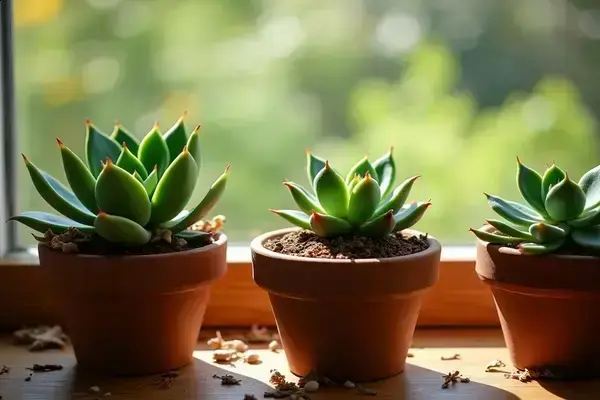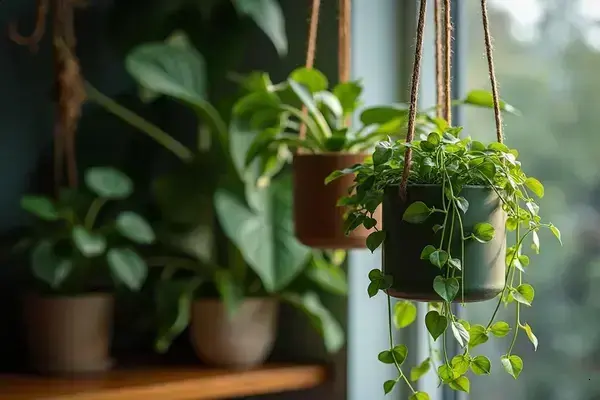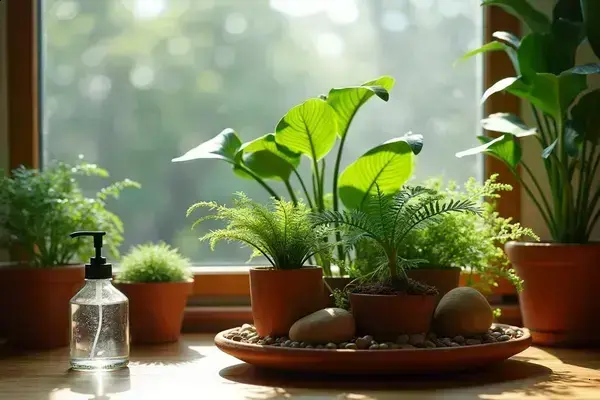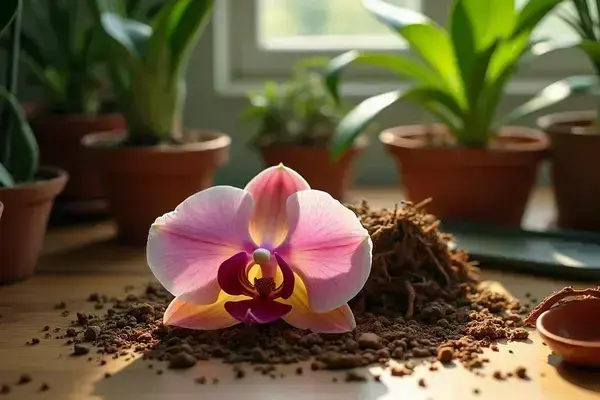
Picture this: you walk into a room and it smells fresh, feels brighter, and the air is crisp. Yet, there’s no fancy air purifier humming away—just a few green powerhouses by your window. Wild, right?
The truth is, stuffy air and invisible toxins can make your home feel heavy. Allergies creep in, headaches spike, and you just feel… sluggish. It’s amazing how easy it is to overlook the power plants have to turn that around.
By the end of this air purifying plants guide indoors, you’ll know which indoor plants genuinely clean your air, how to care for them without stress, and how to create a home that feels lighter, healthier, and just plain better. Ready for your space to breathe again? Read on.
How Indoor Plants Improve Air Quality
Ever stepped into a room full of lush green plants and noticed how the air just feels cleaner? You’re not imagining it — plants really do improve your home’s air quality in ways mechanical purifiers can’t completely replicate.
Indoor air gets polluted fast. Common culprits? Volatile organic compounds (VOCs) from cleaning products or furniture, airborne dust, pet dander, and even mold spores. The EPA has reported indoor air is often 2-5 times more polluted than outdoor air, which can surprise anyone who thinks closing their windows is enough protection.
💡 Pro Tip: According to NASA’s Clean Air Study, certain houseplants like peace lily and spider plant can absorb up to 90% of specific indoor toxins, including benzene and formaldehyde.
So, how do these leafy friends work their magic? Their leaves, stems, and roots absorb airborne chemicals during natural respiration. Through a process called phytoremediation, they convert toxins into harmless byproducts. Plus, their roots form relationships with microbes in the soil that actually break down contaminants further — a double detox effect.
Picture this scenario:
You move into a freshly furnished apartment. Within weeks, you notice more sneezing, headaches, and stuffy sensations, even though you keep everything spotless. You add a few snake plants and a pothos near the couch. A month later, the air feels lighter, you’re breathing easier, and allergy sniffles go down.
- Add Humidity: Plants naturally release moisture through transpiration. This helps combat dry indoor air — especially important during winter or in AC-heavy homes.
- Reduce Dust: Wide-leafed plants intercept dust particles, making surfaces and air cleaner.
- Oxygen Boost at Night: Some plants, like sansevieria, can even produce oxygen in the dark, making them great for bedrooms.
| Plant Name | Key Air Benefit | Notable Compound Removed |
|---|---|---|
| Peace Lily | Reduces mold spores, VOCs | Benzene |
| Spider Plant | Removes toxins fast, resilient | Formaldehyde |
| Snake Plant | Boosts nighttime oxygen | Xylene |
Don’t just take my word for it — the American Lung Association and NASA both tout indoor plants as a support strategy for cleaner indoor air. Just keep in mind: while plants provide meaningful benefits, they’re not a complete substitute for professional cleaning or fixing deeper air quality issues.
But there’s one detail most owners completely overlook until it’s too late…
The Best Air Purifying Plants For Every Room
If you’ve ever wondered which plants are best for specific rooms, you’re not alone. The truth is, every space in your home has its own light, humidity, and pollution profile—and certain plants thrive better in each.
Choosing the right plant does more than add beauty. It’s about maximizing air purification where you need it most, whether that’s the living room, kitchen, bedroom, or bathroom. Leading authorities like NASA and the American Horticultural Society recommend targeting both toxins and comfort with plant placement.
💡 Pro Tip: For maximum air-cleaning power, use a mix of broad-leaf and resilient plants in high-traffic zones; they’re efficient at trapping dust and absorbing VOCs while requiring minimal fuss.
Picture this scenario:
You’ve got a bathroom that gets humid, a bedroom with morning sunlight, and a windowless study. Instead of grabbing any trendy plant you see, tailor your choices to each space. The payoff? Plants that actually thrive—plus fresher, healthier air all round.
| Room | Best Plant | Why |
|---|---|---|
| Living Room | Areca Palm | Humidifies large spaces, fast VOC removal |
| Bedroom | Snake Plant | Releases oxygen at night, easy care |
| Kitchen | Spider Plant | Filters formaldehyde, adapts to temperature swings |
| Bathroom | Boston Fern | Thrives in humidity, targets xylene |
| Office/Study | Pothos | Tolerates low light, removes toluene |
- Areca Palm (Dypsis lutescens): NASA-certified powerhouse, ideal for big open areas or spaces with dry air.
- Snake Plant (Sansevieria trifasciata): Perfect for bedrooms—it converts CO2 to oxygen overnight.
- Spider Plant (Chlorophytum comosum): Fast-growing, handles kitchen fumes well, safe for pets.
- Boston Fern (Nephrolepis exaltata): Loves wet air, knocks down mold, easy to hang high or let drape.
- Pothos (Epipremnum aureum): Practically indestructible, shines in dark corners, helps fight office air pollutants.
In practice: Many indoor gardeners make the mistake of placing the same plant everywhere only to watch some struggle and droop. By matching species to room conditions, you end up with robust greenery—and cleaner air. Don’t forget, for allergy-prone households, the American College of Allergy, Asthma, and Immunology suggests picking low-pollen species and regularly dusting leaves.
But what actually works to help these superstars thrive day after day?
Simple Care Tips To Keep Your Plants Thriving
How often have you brought a plant home, only to watch it wilt or turn yellow in just a few weeks? You’re not alone—successful plant owners know it’s less about having a “green thumb” and more about following a few key routines.
Healthy indoor plants thrive on consistency, not intensity. Most die not from neglect, but from loving them too much (think overwatering or too much sun). The American Society for Horticultural Science reminds us: each plant species has unique care needs, but some rules apply to nearly all.
- Use the Right Pot: Choose pots with bottom drainage holes to prevent root rot. Decorative outer pots are fine, but always have that drainage layer inside.
- Water Thoughtfully: Check the soil with your finger—don’t rely on watering schedules alone. Only water when the top inch feels dry, unless your specific plant says otherwise.
- Find the Best Light: Place sun-lovers in south-facing spots and shade-preferring plants a few feet from windows. Rotate pots monthly for balanced growth.
- Fertilize Sparingly: Most indoor plants require diluted plant food every 4-8 weeks during spring and summer, then taper off in colder months.
- Clean the Leaves: Dust and grime block sunlight. Gently wipe leaves with a damp cloth every couple of weeks—avoid leaf sprays that promise glossy looks but clog pores.
⚠️ Important Warning: Don’t use garden soil in pots. It compacts and suffocates roots indoors—always opt for a quality potting mix suited for your plant’s needs.
- Time needed each week: 10-15 minutes per plant cluster
- Items you’ll use: watered can, liquid fertilizer, microfiber cloth, potting mix, drainage trays
In practice: Picture this scenario—a new peace lily sits in your living room. At first, it’s vibrant. But after one month, leaves start to brown and droop. Turns out, it was getting splashed every day, roots stayed soggy, and dust built up. Swapping to a planter with drainage, moving it slightly away from the window, and wiping the leaves made a dramatic turnaround.
Keeping indoor plants happy isn’t complicated, but developing these small habits can make a world of difference. And this is exactly where most people make the most common mistake…
Common Mistakes To Avoid With Indoor Plants
Have you ever watched a healthy plant suddenly lose its spark and wondered where things went wrong? Many indoor plant owners unknowingly make small errors that sabotage their green oasis—luckily, most are easy to fix if you know what to watch out for.
- Overwatering: This is the number one culprit behind root rot. Remember, most plants prefer drying out between waterings rather than sitting in soggy soil.
- Wrong Pot Size: Too large or too small a pot can stress the roots, stunting growth or promoting fungus. Always choose a pot only slightly larger than the root ball and ensure it has proper drainage.
- Ignoring Light Needs: Placing sun-loving plants in a dark corner—or vice versa—leads to weak, leggy growth and leaf loss. Read the light recommendations for each species and adjust placement through the seasons.
💡 Pro Tip: If you’re unsure whether to water, wait another day. According to the University of Florida IFAS Extension, letting soil dry a bit is safer for most houseplants than risking a soggy root zone.
Common Issues Table
| Mistake | What Happens | Quick Fix |
|---|---|---|
| Overwatering | Yellow leaves, mushy roots | Check drainage, let soil dry out |
| Poor Light | Stretchy stems, pale leaves | Move to brighter spot, rotate regularly |
| Wrong Soil | Stunted growth, moldy smell | Switch to appropriate potting mix |
| No Cleaning | Dusty, blocked leaves | Wipe leaves gently every two weeks |
Picture this scenario: You set your new spider plant by the window, water it every few days no matter what. Two weeks later, its leaf tips brown and the pot smells musty. Turns out, the tray never drained and roots got waterlogged. Swapping soil, letting the top inch dry, and moving it to filtered light reverses the damage—and it’s suddenly thriving again.
The American Horticultural Society emphasizes that adapting your care with the seasons and type of plant makes all the difference. And honestly? A little extra observation goes much further than a rigid watering schedule.
But what actually works might surprise you…
Choosing The Right Plants For Your Space And Needs
How do you match the perfect plant to your home or office? The trick is thinking about more than just looks. Air-purifying power depends on getting the right species in the right spot, meeting your unique environment and needs.
Start by considering these four key factors: available sunlight, typical indoor humidity, the amount of time you can dedicate to care, and your main goal—more oxygen, maximum toxin removal, or pure decorative charm?
💡 Pro Tip: For busy people or rooms with tricky light, choose proven survivors like snake plant or pothos. According to the Royal Horticultural Society, these species thrive in low maintenance and imperfect conditions.
Picture this scenario:
Your apartment window barely gets sunlight, and you travel often for work. Instead of a needy fern, you choose a tough sansevieria. It’s sleek, boosts oxygen at night, and barely notices when you forget it for two weeks. Stress drops, and your windowsill finally feels alive.
| Space | Best Plant | Why It’s Smart |
|---|---|---|
| Bright windowsill, low care | Snake Plant | Handles dry air, infrequent water, boosts air quality |
| High humidity, indirect light | Peace Lily | Thrives with humidity, removes mold spores |
| Office desk, low light | Pothos | Lush growth with neglect, cleans VOCs |
| Pet-friendly homes | Bamboo Palm | Non-toxic to cats/dogs, combats formaldehyde |
- Snake Plant: Nearly indestructible, fits into almost any lighting situation, and doesn’t demand much attention.
- Peace Lily: Prefers steamy bathrooms or kitchens; keep soil moist but not soggy.
- Pothos: One of the top choices for beginners or anyone often away from home.
- Bamboo Palm: A safe pick if you’ve got pets, per the American Society for the Prevention of Cruelty to Animals (ASPCA).
And don’t forget—some plants (like peace lily and snake plant) can be mildly toxic if ingested, so always check toxicity guidelines from your local extension office or official organizations. If you have allergy sufferers or pets in your household, consult with a professional for a tailored plant selection.
Once this is in place, the rest of the routine falls into place naturally.
Your Home, Cleaner and Greener
If you take just one thing from this air purifying plants guide indoors, let it be: choosing the right plants for your space and caring for them simply (but consistently) makes all the difference. Match plants to your rooms, avoid common overwatering and light mistakes, and stick to easy habits—your air and mood will thank you.
Maybe houseplants once felt intimidating, or staying on top of care seemed out of reach. But now? Your rooms can feel fresher, your routines are easier, and your confidence is up. Every healthy, thriving plant you add makes your home more welcoming—one small step at a time.
Which air-purifying plant are you most excited to try first in your space? Let us know in the comments below!

Ryan James Mitchell is a passionate gardener and plant care enthusiast dedicated to helping everyday people grow food, keep their plants thriving, and connect with nature — one garden at a time. With years of hands-on experience in vegetable gardening, indoor plant care, and seasonal garden planning, Ryan built 3sols to be the practical, honest gardening resource he always wished existed.