Ever walk past your favorite houseplant, only to find those once-vibrant leaves turning sickly yellow or drooping like a sad umbrella? It’s the kind of sight that stops plant lovers in their tracks. Suddenly, you’re wondering: is it too much water, too little sun—or something trickier?
Let’s be real, watching a plant struggle is frustrating. You pour your time (and maybe your heart) into caring for it, yet somehow things still go wrong. Ignoring these issues usually leads to worse news—bald stems, crispy leaves, maybe even a trip to the compost bin. No one wants to admit defeat over a fern.
By the end, you’ll spot symptoms fast and have a common houseplant problems guide fix ready to go. You’ll learn straightforward ways to revive your plants—so next time trouble appears, you’ll know exactly how to fight back. Ready to give those droopy leaves a second chance?
Spotting Early Warning Signs In Your Houseplants
Your houseplant looks fine — until one morning, something’s off. The soil seems drier, the leaves a bit limp, maybe some tiny spots around the edges. Is it just you or is the plant really starting to struggle? Spotting early warning signs isn’t just about catching things before disaster. It’s about knowing your plant well enough to understand when it whispers for help — not just when it screams.
Visual Clues Every Plant Parent Should Know
- Leaf Color Shifts: Fading green, pale patches, or a slight yellow tinge signal the plant is stressed — maybe from nutrients or lighting.
- Texture Changes: Crispy or wrinkled leaves often indicate water issues, either too much or too little.
- Subtle Drooping: Not every wilt is dramatic. Early droop means cells are losing pressure, usually related to roots or hydration.
- Brown Tips: Just the very edge going brown? It can mean dry air, over-fertilizing, or inconsistent care.
- Small Dots or Webbing: These subtle signs could point to pests, like spider mites or aphids, before they spread.
💡 Pro Tip: According to The Royal Horticultural Society, regular close-up checks — especially under leaves and near soil — catch problems days before visible decline. Using a small flashlight helps reveal hidden pests that often escape a quick glance.
In practice: Picture this scenario: You spot a single yellowing leaf on your pothos while making coffee. Most would ignore it, but you check the soil — and find it’s bone dry. That small observation lets you water immediately, preventing a spiral of droop, leaf loss, and root damage. (Trust me, it’s easier than nursing a full-blown crisis.)
| Warning Sign | Possible Cause | Action Needed |
|---|---|---|
| Pale Leaves | Light deficit, lack of nutrients | Move closer to window; check fertilizer regimen |
| Brown Edges | Low humidity, salt buildup | Increase humidity, flush soil |
| Sticky Residue | Pest activity (aphids/mealybugs) | Inspect closely; wipe and treat |
Most houseplants send you quiet cues before they fully falter — if you know what to look for. But there’s one detail most owners completely overlook until it’s too late…
Top Reasons Why Leaves Turn Yellow Or Plants Droop
Why do healthy leaves suddenly turn yellow or plants look limp? You water, feed, and fuss — but they just won’t perk up. Honestly, understanding the exact cause is what separates thriving indoor jungles from those sad, fading stems. Here’s the truth: most yellowing or drooping starts with a single, overlooked detail in your plant’s care routine.
- Overwatering: Roots need oxygen as much as moisture; saturated soil suffocates them, triggering yellow leaves or droopy stems. Houseplants like snake plant or pothos despise sitting in soggy pots.
- Underwatering: When soil dries out too much, cells lose turgor pressure — that’s plant-speak for those telltale wilted, floppy leaves.
- Improper Lighting: Too little light and leaves fade or yellow from chlorophyll loss. Too much bright sun can scorch delicate foliage, especially for ferns and calatheas.
- Nutrient Deficiency: Lack of nitrogen, iron, or magnesium can all cause yellowing, usually showing as veins or patches before taking over whole leaves.
- Pests and Diseases: Spider mites and root rot work below the surface, with yellow mottling or softened, limp leaves as early warnings.
💡 Pro Tip: According to University of Florida IFAS Extension, using a moisture meter eliminates most guesswork — especially on tricky species that mask thirst or drown quietly in heavy soil.
Comparison Table: Causes and Plant Response
| Problem | Symptoms | Quick Check |
|---|---|---|
| Overwatering | Yellow, soft leaves; root odor | Probe soil for sogginess, check pot drainage |
| Underwatering | Dry, crispy, drooping foliage | Feel 1” below surface for dryness |
| Low Light | Pale, stretched leaves | Observe stem length, color fading |
Picture this scenario: You notice yellow spots on your peace lily and instantly wonder if it’s a nutrition issue. A quick soil touch tells you it’s soggy — classic overwatering, not lack of nutrients. Just that one observation can change how you respond and save your plant from decline. Recent guidelines from the Royal Horticultural Society also suggest checking humidity and temperature, especially for tropical species sensitive to indoor HVAC systems.
What actually works might surprise you…
Step-By-Step Fixes For Each Problem (With Visual Cues)
Feeling overwhelmed when your once-glossy plant starts looking sickly? The good news: most houseplant troubles, from yellow leaves to unexpected sagging, can be turned around with a few targeted moves. The real secret isn’t guessing—it’s using visual cues as your plant’s way of texting for help.
- Assess the Soil Moisture
Insert your finger about an inch deep (or use a soil moisture meter). If it feels soggy, hold off on watering; if bone dry, it’s time to hydrate. - Lift and Inspect the Pot
Heavy pots usually mean too much water; feather-light ones signal a need to water. Don’t just trust the top layer—get a feel for what’s happening below. - Examine Leaf Color and Texture
Yellowing with soft, mushy leaves? Overwatering. Yellow and crispy? Usually underwatering. Compare to healthy leaves for quick confirmation. - Check for Pests and Disease
Look under leaves and along stems for tiny webs, dots, or mold. Spot treatment early—like a dab of neem oil or insecticidal soap—prevents a full-blown invasion. - Adjust Placement and Lighting
Noticing paler growth or stretching stems? Move the plant closer to a window, or curtain off harsh direct sunlight. A west- or east-facing window works for most species. - Feed or Flush As Needed
Browning edges may mean fertilizer salts have built up. Flush soil with clean water or, if nutrient loss is likely, use a balanced houseplant fertilizer as per guidelines.
In practice: You see your Monstera’s leaf turning dull yellow, drooping at midday. You check the soil—moist, maybe too damp. After letting it dry and moving the plant to brighter light, the yellowing stops right in its tracks. According to advice from the American Society for Horticultural Science, regular soil checks and visual assessment trump rigid watering schedules for indoor plants.
⚠️ Important Warning: Never treat all plant problems with the same fix—misdiagnosis can worsen the original issue. If in doubt, consult a local horticulturist or garden center before drastic intervention.
- Clean, sharp pruning shears
- Soil moisture meter or sturdy finger
- Insecticidal soap or neem oil
- Filtered water and watering can
- Bright, indirect light or adjustable lamp
And this is exactly where most people make the most common mistake…
Choosing The Right Remedies For Your Plant Type
Not all remedies work for every plant — and using the wrong fix can sometimes cause more stress than relief. Here’s the thing: the best remedy for a tropical fern is often the worst choice for a succulent or cactus. Your plant’s species, water retention, tolerance for light, and susceptibility to common pests all matter when you choose a treatment.
| Plant Type | Typical Problems | Best Remedy |
|---|---|---|
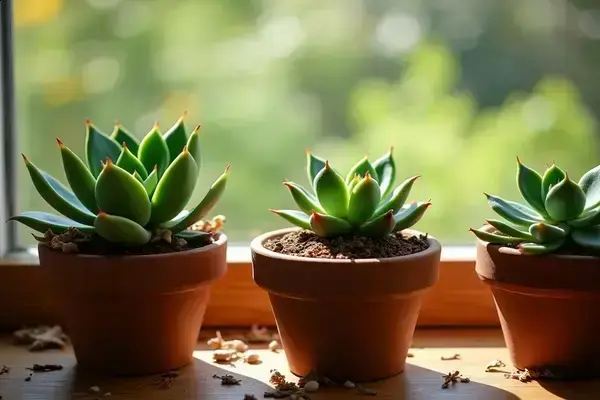
| Succulents & Cacti | Soft, yellow leaves; rot | Reduce watering, repot in gritty soil |
| Tropical Plants (Monstera, Peace Lily) | Brown tips; limp leaves | Increase humidity, filtered water, indirect light |
| Ferns & Calatheas | Browning edges; fading color | Raise humidity, avoid direct sun, use rainwater |
💡 Pro Tip: Always check your plant’s true requirements before applying treatments — the ASPCA and National Gardening Association both note that even popular all-purpose fertilizers or pesticides can harm sensitive species. When in doubt, look up the botanical name on a reliable database, not just by the common houseplant nickname.
- Succulents love fast-draining soil and less frequent watering. Treat rot by letting the soil dry and using sterilized tools for pruning.
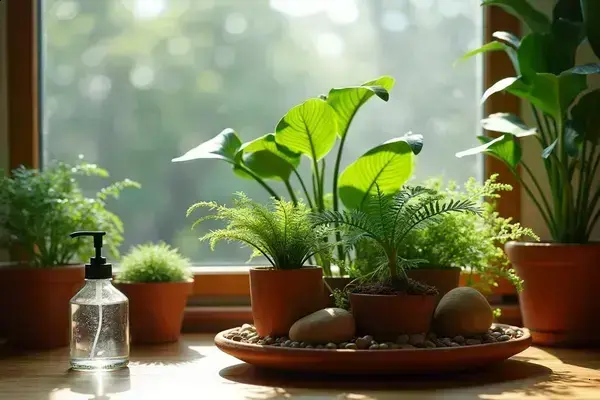
- Tropical foliage demands moisture — both in soil and air. Using a pebble tray or small humidifier helps prevent leaf browning from dry indoor heating.
- Ferns and calatheas prefer soft, minerals-free water and absolutely hate drafts. If you spot fading, move them away from cold windows and mist gently with distilled water.
In practice: Picture this scenario: you spot crispy tips on your calathea’s leaves and instinctively reach for the watering can. But, knowing calatheas hate tap water’s minerals, you switch to filtered water — the plant rebounds in a week. Sometimes the right remedy isn’t “more,” but “better suited.”
And this is exactly where most people make the most common mistake…
Daily Habits To Prevent Future Plant Troubles
The truth is, thriving plants aren’t about luck — they rely on daily care habits that most people overlook until something goes wrong. If you’re tired of constantly troubleshooting, it’s worth building a routine your plants can count on every single day.
- Consistent Watering Schedule: Water at the same time each week, always checking the top inch of soil before adding more. Overwatering and underwatering are both avoided with this simple routine.
- Rotate For Even Growth: Every few days, give your pots a quarter turn. This helps foliage grow evenly and prevents plants from leaning desperately toward the light.
- Dust and Inspect Leaves: Gently wipe leaves with a damp cloth to keep pores open and watch for tiny pests before they multiply. Clean foliage photosynthesizes more efficiently, too.
- Monitor Humidity and Airflow: Group humidity-loving plants together, or set up a pebble tray filled with water and stones. Good air movement, via an open window or gentle fan, discourages fungal problems.
- Fertilize Mindfully: Use a balanced liquid houseplant fertilizer according to package instructions—never more—during the growing season, and pause in winter months.
💡 Pro Tip: According to the University of Minnesota Extension, keeping a simple plant care log (digital spreadsheet or paper chart) makes it easy to spot patterns and prevent mistakes like missed waterings or double-feeding.
In practice: You’re about to dash out the door but pause for a quick check — soil feels dry, so you water, but notice yellow spots just starting on a leaf. That small, daily moment lets you act before the issue escalates, saving time and stress down the line. This approach doesn’t just fix problems; it prevents them.
Small steps, repeated consistently, make the biggest difference over time.
Your Plants Are In Good Hands
If you take just one thing from this common houseplant problems guide fix, let it be this: your attention to daily details is what keeps your plants healthy. Spotting early warning signs, choosing the right remedies, and building simple routines make all the difference.
Before, you might have worried every time a leaf turned yellow or a stem drooped. Now, you know how to act fast—and even better, what to do so those problems rarely show up. That confidence makes plant care lighter, calmer, even a little fun. You’re ready for real results.
Which habit, check, or fix are you most excited to try first? Let us know in the comments—your plants (and fellow readers) will thank you!

Ryan James Mitchell is a passionate gardener and plant care enthusiast dedicated to helping everyday people grow food, keep their plants thriving, and connect with nature — one garden at a time. With years of hands-on experience in vegetable gardening, indoor plant care, and seasonal garden planning, Ryan built 3sols to be the practical, honest gardening resource he always wished existed.