Ever tried to keep a plant alive in your windowless bathroom—only to watch it wither, leaf by sad leaf? It’s not just you. Most common houseplants need sunlight to survive, so every time you bring home another lush beauty hoping it’ll brighten your daily routine, there’s a good chance you’re setting yourself up for disappointment (and another round of bathroom plant funerals).
Here’s the thing: that endless cycle of dead plants isn’t just frustrating—it chips away at your motivation to make your bathroom feel fresh and alive. You crave that pop of green, the touch of nature, but every “easy care” label seems to lie once you place it away from a window. It’s easy to start believing that windowless bathrooms are simply plant-proof spaces.
But wait—there really are options! By the end of this guide, you’ll know exactly which plants actually thrive where others wilt. Finding the best plants for bathroom no window can transform your space from dreary to lush, with less stress and more satisfaction. Ready for a list that finally gets it right? Read on.
Why Bathrooms Without Windows Need Special Plants
Why do plants struggle in a bathroom with no window, even when you shower daily and humidity stays high? Here’s the thing—most greenery depends on more than just a little moisture to flourish. Without sunlight, even the toughest houseplants start losing color, vigor, and that signature lushness you’re hoping to achieve.
Bathrooms without windows create a unique ecosystem: high humidity, frequent temperature swings, and—most importantly—low or zero natural light. Humidity helps certain species, but lack of light is a true deal-breaker for many. According to the Royal Horticultural Society, while ferns, mosses, and some tropicals evolved to tolerate dense shade, they still need at least indirect light or strong artificial alternatives to survive indoors. Not every pretty plant marketed as “low light” can actually handle these deeper indoor shadows long-term.
💡 Pro Tip: Avoid impulse buys labeled “shade-tolerant” at hardware stores. Genuine low-light plants are bred—or naturally adapted—for minimal sunlight. Double-check botanical sources before you invest.
Picture this scenario: you pick up a vibrant peace lily, place it on the vanity, and watch it decline over a few weeks despite constant misting. That’s the silent effect of photosynthesis deprivation—the plant simply can’t turn enough light into growth energy, no matter how much humidity you supply.
| Environmental Factor | Impact on Plants | Adaptation Needed |
|---|---|---|
| No Natural Light | Severely limits photosynthesis | Choose species tolerant of shade + supplement with LEDs |
| High Humidity | Benefits tropical and fern varieties | Avoid succulents and cacti—they’ll rot |
| Temperature Swings | Can stress delicate species | Pick resilient, stress-tolerant plants |
In practice: a pothos or ZZ plant can handle months in artificial conditions, while a spider plant or orchid will wither without some real sun. The University of Florida’s IFAS Extension advises matching species carefully to your room’s realities for best results.
But there’s one detail most owners completely overlook until it’s too late…
Key Features Of Plants That Thrive In Low Light And Humidity
What separates a plant that merely survives in your bathroom from one that truly thrives? It’s all about a handful of features most shoppers overlook. These qualities aren’t always shouted on plant tags, but if you know what to look for, your greenery will repay you with year-round freshness—no sunlight required.
- Low Light Adaptation: Species like pothos, ferns, and snake plants can photosynthesize efficiently in artificial or indirect light. That means the leaves are thin yet hearty—excellent at absorbing what faint light there is and making the most out of it.
- Humidity Tolerance: Bathrooms are micro-jungles. Plants like Boston fern and peace lily (Spathiphyllum) have evolved to love constant moisture in the air, even as tap water and steamy showers boost those humidity levels.
- Resilient Root Systems: Without proper drainage or lots of sunlight, many roots rot easily. Hardy species grow thick, shallow roots that resist soggy soil and bounce back after brief neglect.
- Fungal Resistance: Bathrooms are prime territory for mildew and mold. Plants with waxy or textured leaves (zz plant, cast iron plant) naturally shrug off fungal invaders.
- Slow Growth Rate: Rapid growers quickly outpace small bathrooms. Slow growers stay healthy with less pruning, so your space never feels overwhelmed by wild, unmanageable foliage.
In practice: say you bring home a vibrant pothos. Place it on your shower shelf or vanity. Within weeks, it adjusts to fluorescent lighting and rewards you with continuous new leaves, where other plants might drop them.
💡 Pro Tip: Choose plants labeled as “tolerant of neglect.” According to the Missouri Botanical Garden, robust options like ZZ plant (Zamioculcas zamiifolia) and snake plant (Sansevieria) actually perform better when you water less frequently—perfect for busy schedules and forgetful days.
| Feature | Why It Matters | Best Plant Examples |
|---|---|---|
| Low Light Adaptation | Ensures energy in dark spots | Pothos, ZZ Plant |
| Humidity Tolerance | Prevents wilting in damp air | Boston Fern, Peace Lily |
| Fungal Resistance | Keeps leaves healthy in moisture | Cast Iron Plant |
Picture this scenario: you’re away for a week, no sunlight pours in, and water sits in the tray. If you picked right, your plant won’t just survive—it’ll look even better when you get back. What actually works might surprise you…
Top Low-Light Plants Perfect For Windowless Bathrooms
Not all plants are cut out for life in a windowless bathroom—some wilt, others rot, and many just stubbornly refuse to grow. That’s why picking the right species matters so much. The truth is, certain houseplants have evolved a natural talent for handling low light, high humidity, and the occasional temperature rollercoaster that comes from steamy showers and flushing toilets. But which ones really work?
| Plant Name | Special Trait | Why It Works Here |
|---|---|---|
| Pothos (Epipremnum aureum) | Low light champion | Thrives even with little sun—perfect for shelves, hanging baskets, or atop cabinets |
| ZZ Plant (Zamioculcas zamiifolia) | Ultra-resilient, drought tolerant | Waxy leaves fend off mold and mildew, slow grower, looks glossy year-round |
| Boston Fern (Nephrolepis exaltata) | Loves humidity | Delicate fronds stay crisp in moist air, only needs lukewarm tap water |
| Cast Iron Plant (Aspidistra elatior) | Nearly indestructible | Handles darkness, erratic watering, and temperature swings without fuss |
| Peace Lily (Spathiphyllum) | Air-purifying blooms | Elegant, forgiving, and flourishes with just monthly feeding |
💡 Pro Tip: For best results, rotate your chosen plants occasionally to expose different sides to indirect light from other parts of your home—even artificial lighting. The National Gardening Association recommends selecting pots with drainage holes to prevent roots from sitting in water, especially in humid spaces.
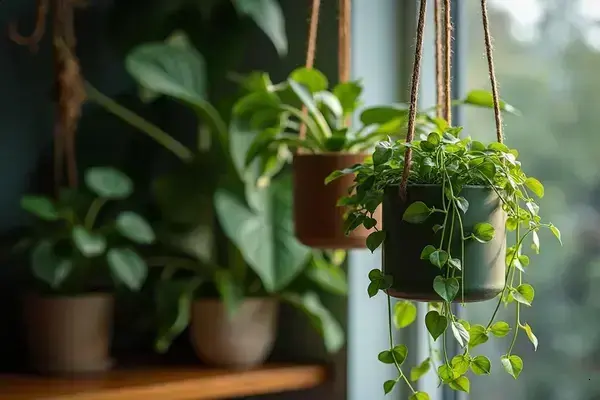
In practice: imagine a small powder room with no windows, a steamy shower, and a low shelf above the toilet. Place a trailing pothos up there—the vines will drape beautifully, the leaves stay shiny, and you won’t be stuck watering constantly. A ZZ plant can handle months of neglect on the vanity next to your soap pump, still looking as fresh as the day you bought it.
- Pothos: Low light and humidity? No problem. (Needs watering once every 10 days.)
- ZZ Plant: Good for forgetful owners—water once every 2-3 weeks.
- Boston Fern: Thrives if you run hot showers daily.
- Cast Iron Plant: Ideal for rarely-used bathrooms.
- Peace Lily: Adds white blooms and cleans the air, even in the dark.
But picking your perfect match is just the first step—and this is exactly where most people make the most common mistake…
How To Care For Plants In A Moist, Dark Bathroom
What’s the secret to keeping plants healthy in a bathroom that’s always moist and barely gets a flicker of sunlight? It’s not just luck—it’s a commitment to the right care and a little creative adaptation. The truth is, even low-light champs need a little help when natural conditions fall short.
- Pick the Right Spot: Keep plants away from direct sprays of water and out of high-traffic zones. Place them atop shelves or counters where steam rises but water doesn’t pool—this gives humidity without overwatering.
- Supplement With Artificial Light: Invest in a compact LED grow light or bulb. Place it above or beside your plant for a few hours every day (6–10 hours is ideal). According to the Royal Horticultural Society, quality LED light can replace sunlight for foliage plants if you use the right spectrum.
- Master the Art of Watering: Bathrooms may feel damp, but pots can still dry out—or worse, get soggy roots from excess moisture. Always check soil before watering. Stick to species that prefer the soil to almost dry out between drinks.
- Boost Air Circulation: Use a small fan or simply open the bathroom door for 10 minutes after showers. This prevents mildew and keeps browned leaf tips at bay.
- Feed Sparingly: Fertilize only during growth spurts (spring or summer) if at all. Slow growers need less food and recover better from short-term neglect than most leafy houseplants.
- LED grow light or bulb
- Moisture meter (optional)
- Pot with drainage holes
- Organic potting mix
- All-purpose liquid fertilizer
⚠️ Important Warning: Mold growth in soil is common in humid bathrooms. Gently remove the top inch of soil and replace with fresh, sterile mix if you spot white fuzz. The University of Florida IFAS Extension stresses: always use pots with drainage and never let roots sit in standing water.
In practice: picture this scenario—a ZZ plant tucked on your vanity with a mini grow light above, watered only when the soil feels mostly dry. Weekly, you prop open the door post-shower, letting excess humidity drift out. Result? Leaves stay plump, deep green, and you barely lift a finger in routine upkeep.
And this is exactly where most people make the most common mistake…
Troubleshooting: Common Problems And How To Solve Them
Even the hardest-working plant parent will face surprise issues—yellow leaves, root rot, mystery pests—that can send even hardy bathroom plants into decline. The truth is, windowless bathrooms are the ultimate test for resilience, and good troubleshooting separates lush green from wilted brown.
| Problem | Cause | Solution |
|---|---|---|
| Yellowing Leaves | Overwatering, poor drainage, or low light | Let soil dry out, ensure pot drains, add a grow light |
| Mold or Fungus | Constant humidity, stagnant air | Improve air flow, remove topsoil, use sterile mix |
| Brown Leaf Tips | Low humidity after hot showers or water chemicals | Mist regularly or use distilled water |
| Rotting Roots | Standing water at pot base | Repot with drainage, remove rotted roots |
| Leggy Growth | Insufficient light, reaching for source | Rotate plant, add supplemental lighting |
💡 Pro Tip: Always water with room-temperature, filtered water if you see repeated browning, as high chlorine or fluoride can stress even tropical plants. The American Society for Horticultural Science highlights the impact of tap water chemistry on indoor greenery—filtered options are often best.
In practice: picture this scenario—a Boston fern’s fronds turn yellow and droopy after two weeks. You check and find the soil is soggy. Instead of dousing it with plant food, you replace the old potting mix, switch to a pot with drainage holes, and let the bathroom door stay open after you shower. By the third week, shiny new fronds start to appear.
- Don’t panic at the first sign of damage—recovery is possible.
- Regularly wipe leaves to prevent dust and mildew buildup.
- If pests pop up (like fungus gnats), change the soil and use sticky traps.
- Group plants for a humid microclimate, but don’t overcrowd—they need air.
Once this is in place, the rest of the routine falls into place naturally.
Your Bathroom Can Flourish Too
If you take just one thing from this guide, let it be: picking the right best plants for bathroom no window changes everything. Choosing low-light, humidity-loving plants, setting up smart care routines, and tackling issues early means you’ll actually enjoy real greenery where you never thought it possible.
Remember how that empty bathroom corner used to feel dull and lifeless? Now you can bring it to life—with lush leaves, healthy roots, and zero fear of wilting. It’s honestly way easier than most people think. With what you’ve learned here, you’re set up for success. You’ve got this.
Which bathroom-friendly plant are you most excited to test out first? Share your pick below and let’s swap stories in the comments!

Ryan James Mitchell is a passionate gardener and plant care enthusiast dedicated to helping everyday people grow food, keep their plants thriving, and connect with nature — one garden at a time. With years of hands-on experience in vegetable gardening, indoor plant care, and seasonal garden planning, Ryan built 3sols to be the practical, honest gardening resource he always wished existed.